THE ADVENTURE COLLECTIVE® · Independent discovery and booking for outdoor travel

A relaxed 2.5-hour walk that introduces Strasbourg’s Grande Île: cathedral views, riverside architecture, and a ramble through Petite France. Perfect for first-time visitors who want local context, practical tips, and food recommendations.
A relaxed 2.5-hour walk that introduces Strasbourg’s Grande Île: cathedral views, riverside architecture, and a ramble through Petite France. Perfect for first-time visitors who want local context, practical tips, and food recommendations.
You step out onto Place Gutenberg as the city wakes: the cobbles cool underfoot, the Ill River threads past with a steady pull that seems to dare you to slow down and look closer.
Verified experiences and guided adventures in the surrounding area.
Operated by DocTours · Strasbourg, Grand Est
You step out onto Place Gutenberg as the city wakes: the cobbles cool underfoot, the Ill River threads past with a steady pull that seems to dare you to slow down and look closer.
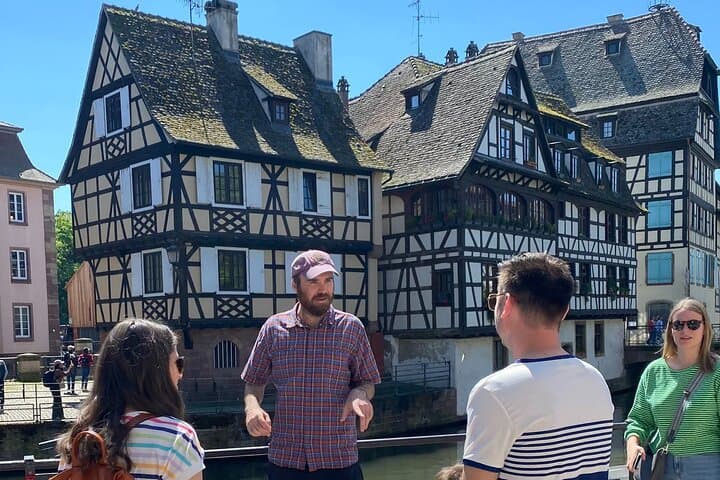
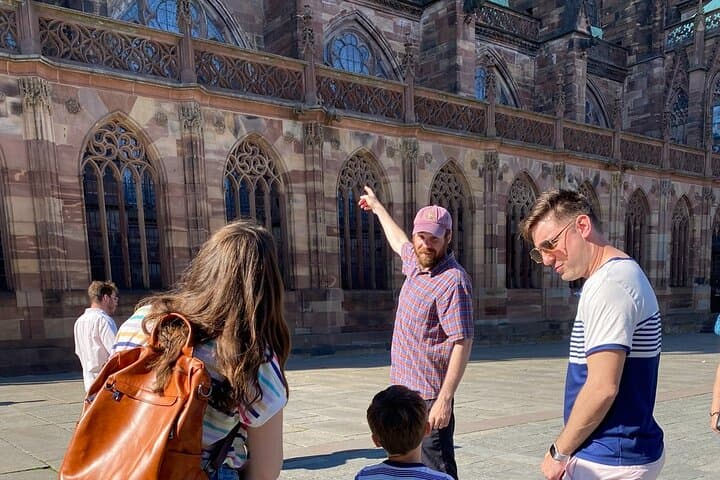
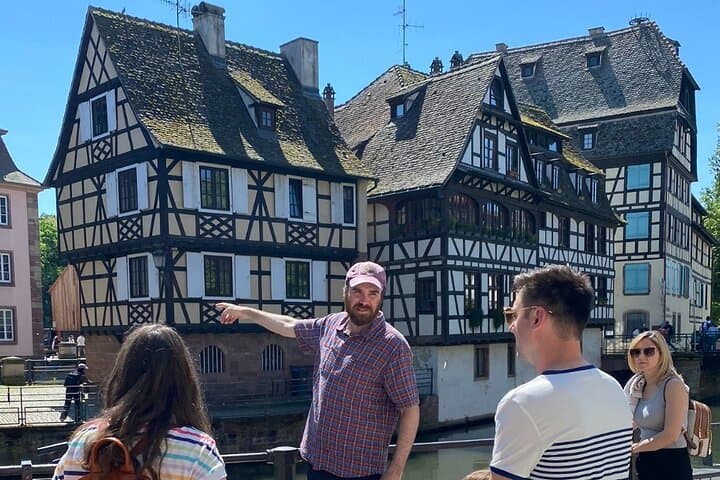
This 2.5-hour introduction to Strasbourg moves at a friendly pace — a walking conversation more than a lecture. The itinerary traces the Grande Île core: a close-up of Cathédrale Notre-Dame’s façade from the square, a riverside promenade of mixed medieval and Renaissance architecture, and a measured wander through Petite France’s narrow lanes where timber-framed houses angle toward the water.
Strasbourg’s story is visible in its stones — a border city shaped by alternating French and German rule, now preserved as a UNESCO-listed island of urban fabric. Geology here is flat river plain; the Ill’s canals and locks shaped how neighborhoods grew. Culture arrives in details: wrought-iron balconies, brass plaque bakeries, and the scent of tarte flambée from a corner winstub.
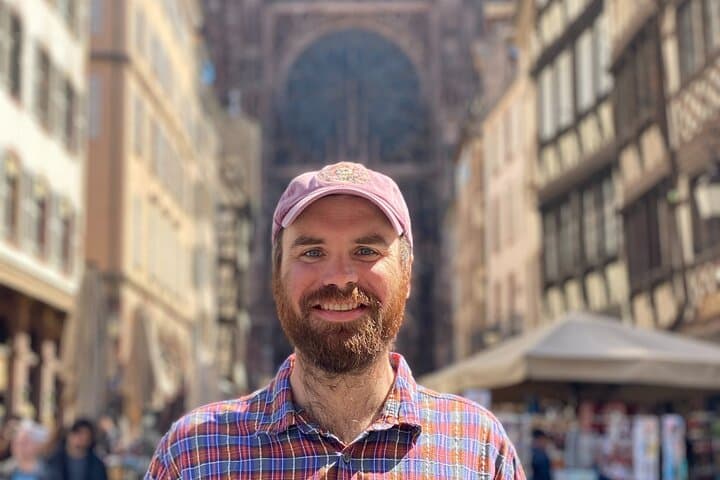
Practical guidance is simple: the route is mostly paved but includes cobblestones and narrow stairs, so steady shoes matter. The tour does not enter the cathedral; photo stops and viewpoints are prioritized. Meeting is at Place Gutenberg behind the statue — look for the tall guide with a beard and a light purple hat. Public transit links close by; the pace and accessible surfaces make this suitable for most visitors, including wheelchair users.
Bring a light layer, a refillable bottle, and a charged camera. Expect local recommendations for cafés and markets to continue your exploration after the group parts ways.
easy.
2–3 hours.
Suitable for most fitness levels; involves 2–3 km of slow-paced walking with intermittent standing.
No — the tour stops outside for orientation and photography but does not include cathedral entry or skip-the-line access.
Yes; paths are stroller accessible on main streets, though some alleys and bridges may be narrow.
Meet behind the statue in Place Gutenberg; the guide will be tall with a beard and wearing a light purple hat.
Most areas visited are wheelchair accessible; inform the operator of needs during booking for any accommodations.
Grande Île is a UNESCO World Heritage site; Strasbourg’s architecture records centuries of Franco-German cultural exchange and evolving civic identity.
Stick to marked paths and support local businesses; the city encourages responsible tourism to preserve historic buildings and river habitats.
DocTours operates guided outdoor trips and adventures with an emphasis on safety, stewardship, and memorable experiences.
You step out onto Place Gutenberg as the city wakes: the cobbles cool underfoot, the Ill River threads past with a steady pull that seems to dare you to slow down and look closer.
You step out onto Place Gutenberg as the city wakes: the cobbles cool underfoot, the Ill River threads past with a steady pull that seems to dare you to slow down and look closer.
This 2.5-hour introduction to Strasbourg moves at a friendly pace — a walking conversation more than a lecture. The itinerary traces the Grande Île core: a close-up of Cathédrale Notre-Dame’s façade from the square, a riverside promenade of mixed medieval and Renaissance architecture, and a measured wander through Petite France’s narrow lanes where timber-framed houses angle toward the water.
Strasbourg’s story is visible in its stones — a border city shaped by alternating French and German rule, now preserved as a UNESCO-listed island of urban fabric. Geology here is flat river plain; the Ill’s canals and locks shaped how neighborhoods grew. Culture arrives in details: wrought-iron balconies, brass plaque bakeries, and the scent of tarte flambée from a corner winstub.
Practical guidance is simple: the route is mostly paved but includes cobblestones and narrow stairs, so steady shoes matter. The tour does not enter the cathedral; photo stops and viewpoints are prioritized. Meeting is at Place Gutenberg behind the statue — look for the tall guide with a beard and a light purple hat. Public transit links close by; the pace and accessible surfaces make this suitable for most visitors, including wheelchair users.
Bring a light layer, a refillable bottle, and a charged camera. Expect local recommendations for cafés and markets to continue your exploration after the group parts ways.