THE ADVENTURE COLLECTIVE® · Independent discovery and booking for outdoor travel

Walk with a professional guide and park scout through Mosi Oa Tunya National Park for up-close encounters with endangered white rhino, impala, warthog, and zebra. This focused three-hour safari emphasizes slow observation, safety, and local knowledge—ideal for travelers with moderate fitness.
Walk with a professional guide and park scout through Mosi Oa Tunya National Park for up-close encounters with endangered white rhino, impala, warthog, and zebra. This focused three-hour safari emphasizes slow observation, safety, and local knowledge—ideal for travelers with moderate fitness.
You step off the sandy track and into a wide, breathing bush: mopane and late-morning ghosts of mist from the Zambezi whisper through the grasses as your guide and park scout set the pace. The path is honest—soft earth, the occasional termite mound—broken only by spoor and the distant lowing of impala. For three hours the landscape moves around you; the white rhino grunts and the scrub calls your attention as you approach with the trained calm of the scout.
Verified experiences and guided adventures in the surrounding area.
Operated by Treck Africa Safaris · Livingstone, Southern Province
You step off the sandy track and into a wide, breathing bush: mopane and late-morning ghosts of mist from the Zambezi whisper through the grasses as your guide and park scout set the pace. The path is honest—soft earth, the occasional termite mound—broken only by spoor and the distant lowing of impala. For three hours the landscape moves around you; the white rhino grunts and the scrub calls your attention as you approach with the trained calm of the scout.
Mosi Oa Tunya National Park sits just upstream of Victoria Falls on Zambia’s side of the Zambezi. Geologically, the park is a floodplain carved by seasonal pulses of the river and dotted with islands of harder dolerite and basalt that resisted erosion. The local Tonga and Lozi peoples have long read the land for water and game; today guides combine that local knowledge with conservation measures to guard endangered species like the south-central white rhino.
Expect close, guided sightings rather than game-drive distance; this is a walking experience built on slow observation and strict safety protocols. Trails are mostly flat but uneven, with dry-season dust and wet-season mud.
Practical guidance: arrive early for cooler temperatures and clearer wildlife activity, wear sturdy closed shoes and neutral clothing, carry sun protection and a small daypack. The walk suits travelers with moderate fitness; the minimum age is 15. Water, snacks, and tea are included, and groups are limited for safety and minimal disturbance. Move quietly, follow your guide’s instructions, and you’ll leave with a sharper sense of how the bush manages life at the edge of the river.
moderate.
3 hours.
Moderately fit: able to walk 3 hours over uneven ground with occasional short standing periods
The minimum age is 15 years to ensure participants can follow safety instructions and cope with the walk’s duration.
No sightings cannot be guaranteed—guides know likely areas and behavior patterns, but wildlife is not predictable.
This activity is not recommended for pregnant travelers or those with significant spinal or cardiovascular issues due to uneven terrain and the possibility of rapid movements.
Mosi Oa Tunya National Park is a short drive from Livingstone—typically 15–30 minutes depending on your accommodation location and traffic.
The park protects land historically used by Tonga and Lozi peoples and sits along the Zambezi corridor that has shaped regional trade and culture for centuries.
Rhino protection in the park is an active priority—visits are structured to minimize disturbance and support anti-poaching funding and monitoring.
Treck Africa Safaris operates guided outdoor trips and adventures with an emphasis on safety, stewardship, and memorable experiences.
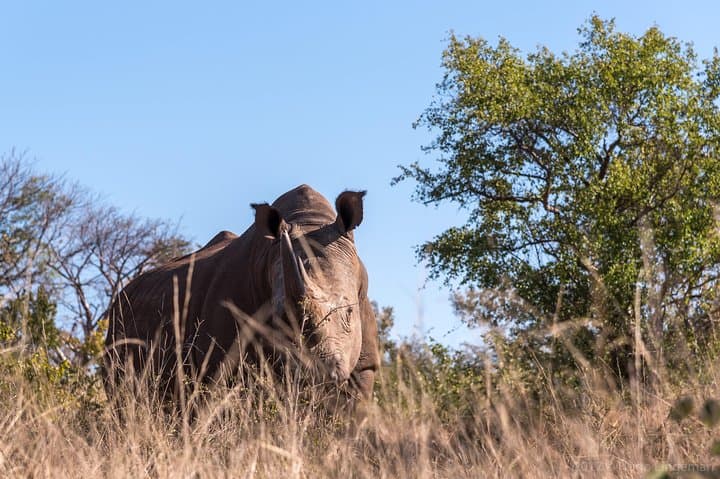
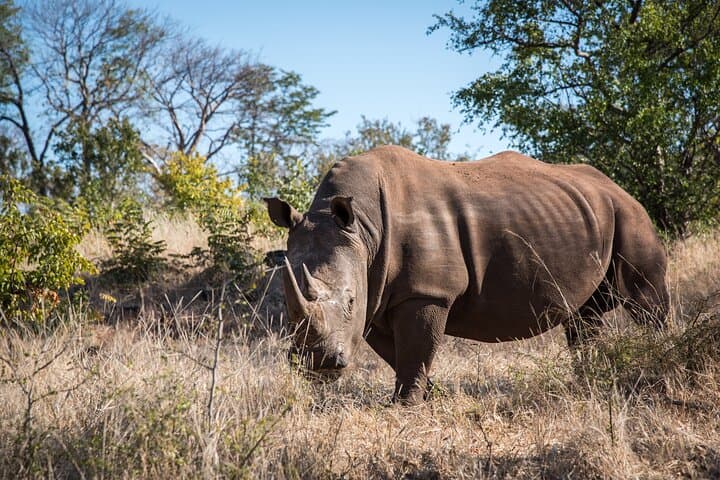
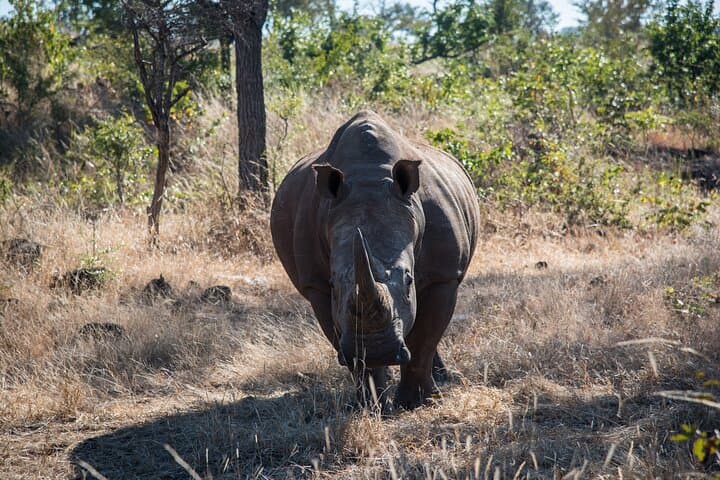
You step off the sandy track and into a wide, breathing bush: mopane and late-morning ghosts of mist from the Zambezi whisper through the grasses as your guide and park scout set the pace. The path is honest—soft earth, the occasional termite mound—broken only by spoor and the distant lowing of impala. For three hours the landscape moves around you; the white rhino grunts and the scrub calls your attention as you approach with the trained calm of the scout.
You step off the sandy track and into a wide, breathing bush: mopane and late-morning ghosts of mist from the Zambezi whisper through the grasses as your guide and park scout set the pace. The path is honest—soft earth, the occasional termite mound—broken only by spoor and the distant lowing of impala. For three hours the landscape moves around you; the white rhino grunts and the scrub calls your attention as you approach with the trained calm of the scout.
Mosi Oa Tunya National Park sits just upstream of Victoria Falls on Zambia’s side of the Zambezi. Geologically, the park is a floodplain carved by seasonal pulses of the river and dotted with islands of harder dolerite and basalt that resisted erosion. The local Tonga and Lozi peoples have long read the land for water and game; today guides combine that local knowledge with conservation measures to guard endangered species like the south-central white rhino.
Expect close, guided sightings rather than game-drive distance; this is a walking experience built on slow observation and strict safety protocols. Trails are mostly flat but uneven, with dry-season dust and wet-season mud.
Practical guidance: arrive early for cooler temperatures and clearer wildlife activity, wear sturdy closed shoes and neutral clothing, carry sun protection and a small daypack. The walk suits travelers with moderate fitness; the minimum age is 15. Water, snacks, and tea are included, and groups are limited for safety and minimal disturbance. Move quietly, follow your guide’s instructions, and you’ll leave with a sharper sense of how the bush manages life at the edge of the river.