THE ADVENTURE COLLECTIVE® · Independent discovery and booking for outdoor travel

Trade the vehicle for your own two feet on a guided walking safari through Arusha National Park. Expect close encounters with giraffes, zebras and buffalo on easy, two-hour trails beneath Mount Meru.
Trade the vehicle for your own two feet on a guided walking safari through Arusha National Park. Expect close encounters with giraffes, zebras and buffalo on easy, two-hour trails beneath Mount Meru.
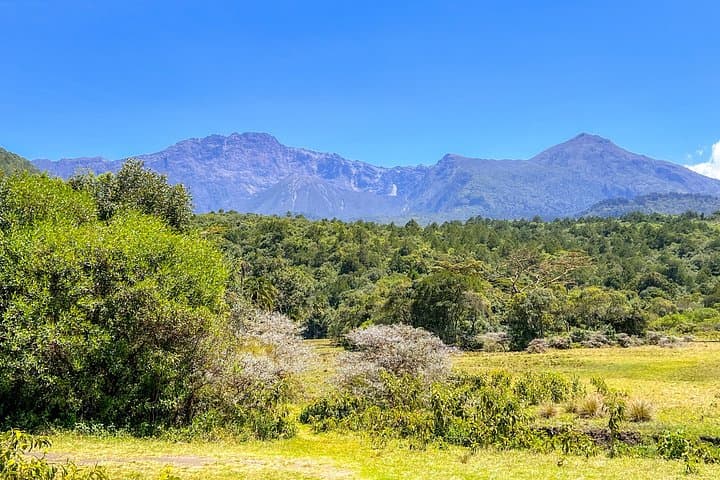
Morning light slices across open grassland as a small group steps from the vehicle and onto volcanic soil — the ranger's bootfalls set the pace. On a walking safari in Arusha National Park, the landscape does the talking: scuffed earth, the distant arc of Mount Meru, and the pale rims of the Momella lakes reflecting birds.
Verified experiences and guided adventures in the surrounding area.
Operated by Melanated Safaris LTD. · Arusha, Arusha Region
Morning light slices across open grassland as a small group steps from the vehicle and onto volcanic soil — the ranger's bootfalls set the pace. On a walking safari in Arusha National Park, the landscape does the talking: scuffed earth, the distant arc of Mount Meru, and the pale rims of the Momella lakes reflecting birds.
The park, created in 1960 to protect Mount Meru and its foothills, combines montane forest, open savanna and alkaline lakes formed by volcanic activity. Maasai and Meru communities have long used the area for grazing; today guides weave cultural context into each walk, pointing out medicinal plants and old livestock paths.
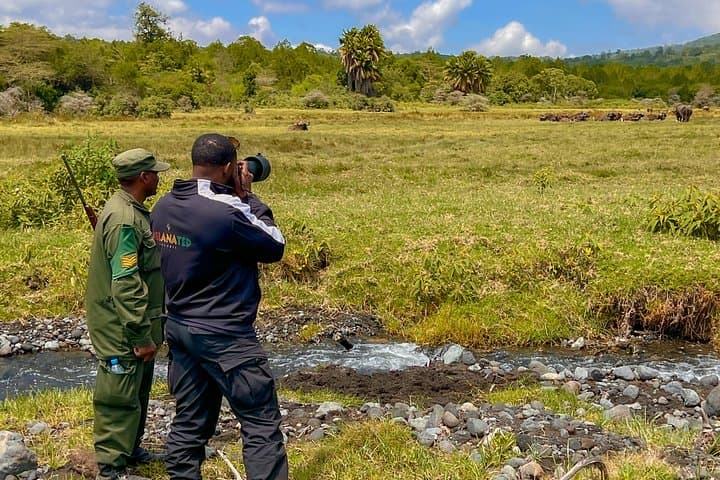
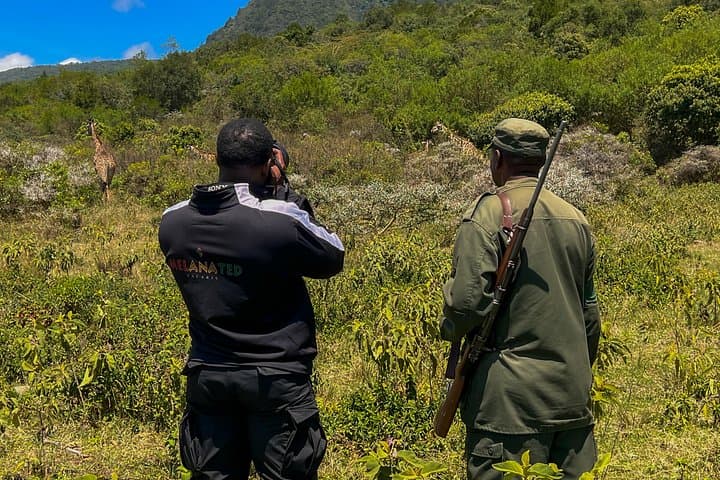
This is a close-range wildlife experience, not a jeep safari. Expect to see giraffes browsing acacia, zebras grazing the plains, buffaloes wading near water and warthogs skittering through long grass. Geology is visible underfoot — ash-rich soils, eroded lava flows and shallow soda lakes that host flocks of flamingos in season.
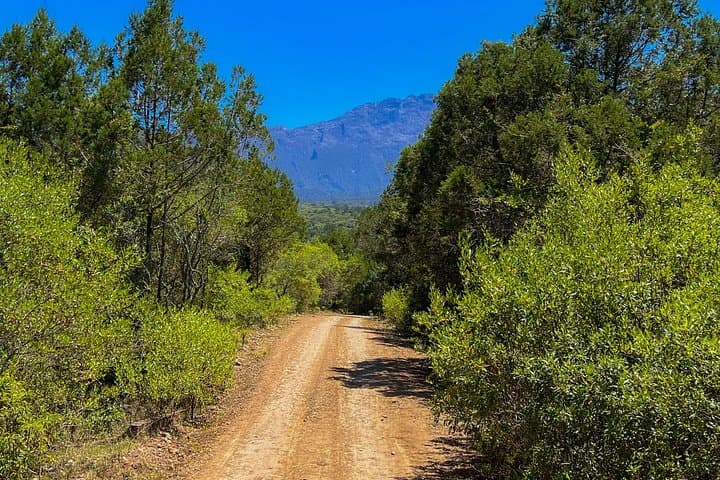
Practical details are straightforward: walks are typically two hours on mostly flat, unpaved trails and are led by an armed ranger who keeps distance from large wildlife and monitors safety. Wear sturdy walking shoes, sun protection and bring 1–2 liters of water; mosquitoes can be present near lakes so repellent helps. Park entrance and ranger fees are usually included; group sizes are small to minimize impact.
A walking safari here is about tempo and attention — quiet steps, close sights and the steady, living rhythm of East African bushland.
moderate.
2 hours.
Basic to moderate fitness for 1–2 hours of walking over uneven, sometimes soft volcanic terrain; able to keep up with a small group.
Yes; guided walks are led by armed, trained rangers who manage distance from large animals and choose safe routes based on current conditions.
Predators are rare on these walks—routes avoid high-risk predator zones, so sightings of lions or leopards are uncommon and not part of the standard experience.
Most operators include park entrance fees, a ranger guide and private transport from Arusha; confirm exact inclusions with the tour provider before booking.
Children able to walk steadily are commonly welcome; walkers with spinal, heart issues or pregnancy are generally advised not to participate for safety reasons.
Arusha National Park was established in 1960 to protect Mount Meru’s slopes, Momella Lakes and surrounding ecosystems; the area sits on volcanic formations that shaped its lakes and soils.
Stick to marked routes, avoid disturbing wildlife and support operators that contribute park fees and community-based conservation programs.
Melanated Safaris LTD. operates guided outdoor trips and adventures with an emphasis on safety, stewardship, and memorable experiences.
Morning light slices across open grassland as a small group steps from the vehicle and onto volcanic soil — the ranger's bootfalls set the pace. On a walking safari in Arusha National Park, the landscape does the talking: scuffed earth, the distant arc of Mount Meru, and the pale rims of the Momella lakes reflecting birds.
Morning light slices across open grassland as a small group steps from the vehicle and onto volcanic soil — the ranger's bootfalls set the pace. On a walking safari in Arusha National Park, the landscape does the talking: scuffed earth, the distant arc of Mount Meru, and the pale rims of the Momella lakes reflecting birds.
The park, created in 1960 to protect Mount Meru and its foothills, combines montane forest, open savanna and alkaline lakes formed by volcanic activity. Maasai and Meru communities have long used the area for grazing; today guides weave cultural context into each walk, pointing out medicinal plants and old livestock paths.
This is a close-range wildlife experience, not a jeep safari. Expect to see giraffes browsing acacia, zebras grazing the plains, buffaloes wading near water and warthogs skittering through long grass. Geology is visible underfoot — ash-rich soils, eroded lava flows and shallow soda lakes that host flocks of flamingos in season.
Practical details are straightforward: walks are typically two hours on mostly flat, unpaved trails and are led by an armed ranger who keeps distance from large wildlife and monitors safety. Wear sturdy walking shoes, sun protection and bring 1–2 liters of water; mosquitoes can be present near lakes so repellent helps. Park entrance and ranger fees are usually included; group sizes are small to minimize impact.
A walking safari here is about tempo and attention — quiet steps, close sights and the steady, living rhythm of East African bushland.