THE ADVENTURE COLLECTIVE® · Independent discovery and booking for outdoor travel

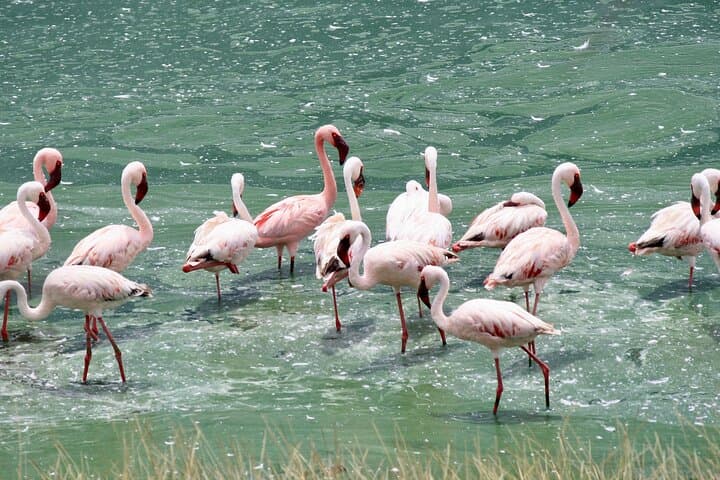
Experience Arusha National Park on foot and by vehicle: cross a river, shower beneath a waterfall, and watch flamingos on soda lakes. This full-day trip combines a 2–3 hour walking safari with game drives, lunch and hotel transfers.
Experience Arusha National Park on foot and by vehicle: cross a river, shower beneath a waterfall, and watch flamingos on soda lakes. This full-day trip combines a 2–3 hour walking safari with game drives, lunch and hotel transfers.
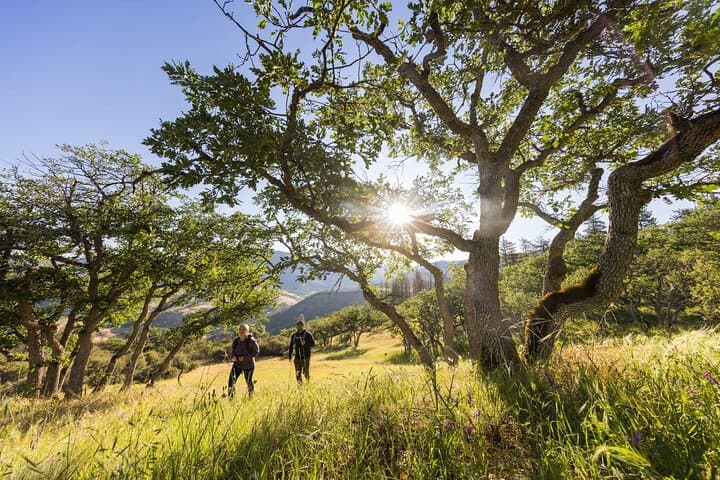
A cool morning lifts over Mount Meru as your guide drives you through ironwood forest toward the Momella Gate. Footsteps replace engine noise; the air smells of damp earth and soda-lake minerals. On the walk you cross the Jekukumia River, feel water on your boots and hear bird calls sharpen around a waterfall where a quick, refreshing shower is possible.
Verified experiences and guided adventures in the surrounding area.
Operated by Africa Pathways Expeditions · Arusha, Arusha Region
A cool morning lifts over Mount Meru as your guide drives you through ironwood forest toward the Momella Gate. Footsteps replace engine noise; the air smells of damp earth and soda-lake minerals. On the walk you cross the Jekukumia River, feel water on your boots and hear bird calls sharpen around a waterfall where a quick, refreshing shower is possible.
Arusha National Park is compact but geologically varied — from the volcanic slopes of Mount Meru to the shallow, alkaline Momella Lakes and the bowl of Ngurdoto Crater. The park has a cinematic past (parts of the 1960s film Hatari were shot here) and sits on land long used by Maasai communities, whose grazing patterns shaped the open woodland you move through.
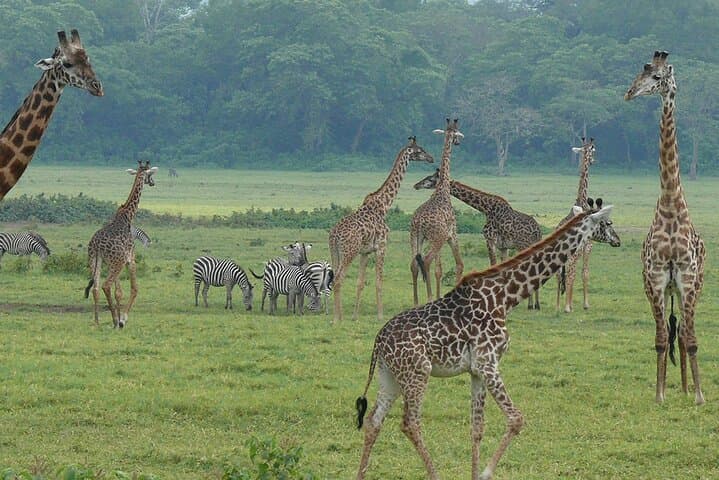
Wildlife appears in comfortable proximity: giraffes nibble acacia leaves, troops of monkeys travel the canopy, and flamingos gather on soda flats. An armed ranger accompanies walking parties for safety and for low-impact close viewing.
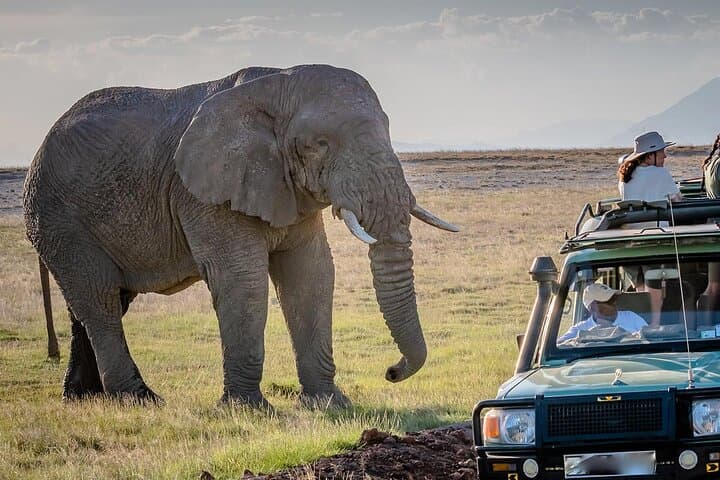
Practically, the day trip blends a 2–3 hour guided walk with vehicle-based game drives, a picnic lunch and hotel transfers (Arusha or Moshi). Expect uneven trails, short stream crossings and variable shade. Bring a layered jacket for higher elevations, carry water, and keep binoculars ready: chances to see elephant herds or hippos along wetland edges are frequent, leopard sightings rare but possible.
Timing matters — earlier starts mean cooler walking and sharper wildlife activity. Respect ranger guidance, stay quiet on approach, and pack out what you pack in: this small park’s ecosystems are resilient but sensitive to visitor pressure.
moderate.
9 hours (full day).
Basic to moderate fitness for 2–3 hours of walking on uneven ground and short river crossings; comfortable sitting for drives.
The guided walk is typically 2–3 hours, crossing the Jekukumia River and visiting a waterfall; the full excursion is a 9-hour day including drives and lunch.
Yes—elephants, giraffes, buffalo and hippos are regularly seen; predators like leopards are possible but rare in day visits.
Most bookings include private transport from Arusha or Moshi, park fees, an English-speaking guide, an armed ranger for the walk, bottled water and lunch.
The walk is classed as suitable for most fitness levels, but families with young children or those with limited mobility should check specifics with the operator due to uneven terrain and river crossings.
The park’s landscapes were a filmset for the 1960s movie Hatari and the area has long been used by Maasai pastoralists, influencing its open woodlands.
Arusha National Park is small and sensitive; stay on trails, follow ranger guidance, avoid littering and minimize noise to reduce disturbance to wildlife.
Africa Pathways Expeditions operates guided outdoor trips and adventures with an emphasis on safety, stewardship, and memorable experiences.
A cool morning lifts over Mount Meru as your guide drives you through ironwood forest toward the Momella Gate. Footsteps replace engine noise; the air smells of damp earth and soda-lake minerals. On the walk you cross the Jekukumia River, feel water on your boots and hear bird calls sharpen around a waterfall where a quick, refreshing shower is possible.
A cool morning lifts over Mount Meru as your guide drives you through ironwood forest toward the Momella Gate. Footsteps replace engine noise; the air smells of damp earth and soda-lake minerals. On the walk you cross the Jekukumia River, feel water on your boots and hear bird calls sharpen around a waterfall where a quick, refreshing shower is possible.
Arusha National Park is compact but geologically varied — from the volcanic slopes of Mount Meru to the shallow, alkaline Momella Lakes and the bowl of Ngurdoto Crater. The park has a cinematic past (parts of the 1960s film Hatari were shot here) and sits on land long used by Maasai communities, whose grazing patterns shaped the open woodland you move through.
Wildlife appears in comfortable proximity: giraffes nibble acacia leaves, troops of monkeys travel the canopy, and flamingos gather on soda flats. An armed ranger accompanies walking parties for safety and for low-impact close viewing.
Practically, the day trip blends a 2–3 hour guided walk with vehicle-based game drives, a picnic lunch and hotel transfers (Arusha or Moshi). Expect uneven trails, short stream crossings and variable shade. Bring a layered jacket for higher elevations, carry water, and keep binoculars ready: chances to see elephant herds or hippos along wetland edges are frequent, leopard sightings rare but possible.
Timing matters — earlier starts mean cooler walking and sharper wildlife activity. Respect ranger guidance, stay quiet on approach, and pack out what you pack in: this small park’s ecosystems are resilient but sensitive to visitor pressure.