THE ADVENTURE COLLECTIVE® · Independent discovery and booking for outdoor travel

Leave the vehicle behind and discover the small, often-missed life of Mosi-oa-Tunya National Park on a three-hour guided walking safari from Livingstone. Expect close encounters with insects, reptiles and birds, expert local interpretation, and easy terrain suited to most fitness levels.
Leave the vehicle behind and discover the small, often-missed life of Mosi-oa-Tunya National Park on a three-hour guided walking safari from Livingstone. Expect close encounters with insects, reptiles and birds, expert local interpretation, and easy terrain suited to most fitness levels.
You step off the vehicle and the park changes underfoot: dry grass gives way to compact red earth, small beetles scatter and a lilting warble of birds threads through the canopy. The guide sets the pace — slow, attentive — so the small, curious life of Mosi-oa-Tunya National Park reveals itself: dung beetles rolling, dwarf mongoose darting between termite mounds, and dragonflies hunting over marshy pools.
Verified experiences and guided adventures in the surrounding area.
Operated by Boris P Safaris and Tours · Livingstone, Southern Province
You step off the vehicle and the park changes underfoot: dry grass gives way to compact red earth, small beetles scatter and a lilting warble of birds threads through the canopy. The guide sets the pace — slow, attentive — so the small, curious life of Mosi-oa-Tunya National Park reveals itself: dung beetles rolling, dwarf mongoose darting between termite mounds, and dragonflies hunting over marshy pools.
The walk threads through habitats shaped by the Zambezi and the basalt plateau carved during ancient volcanic flows; the park’s geology is low-relief but diverse, with riverine strips that support fig and mahogany near seasonal channels. This is Tonga country — local culture and park history are interwoven with the river and falls: families have used these corridors for generations and guides commonly share stories about traditional uses of plants and historical river routes.
Practically, the walk is a three-hour guided loop from Livingstone with minimal elevation change (expect under 100 m gain overall) and short sections of uneven grass and packed earth. You’ll move slowly, so binoculars and a patient eye matter as much as stamina. The experience is designed to show species and microhabitats that vehicles miss — insects, reptiles, small mammals and close-range birding — while keeping encounters safe: guides carry first aid, control proximity to larger animals, and brief groups on behavior.
Plan for sun and sudden showers in the wet season, bring water and closed-toe shoes, and leave loud conversation and sudden movements behind. The reward is incremental and intimate — the kind of walk that turns noticing into discovery.
moderate.
3 hours.
Suitable for most people with basic mobility; requires standing and walking for several hours over uneven ground.
Guides maintain safe distances based on species and behavior; expect close views of small mammals, birds and insects but keep a respectful distance from larger animals.
Yes—families with children in good health can participate, but children should be supervised and able to walk for the duration.
Pick-up and drop-off from central Livingstone lodgings are typically included; confirm your pick-up point when booking.
Walks generally continue in light rain; operators follow safety protocols and may reschedule only for hazardous conditions—check cancellation terms before booking.
Mosi-oa-Tunya National Park sits adjacent to the Zambezi and Victoria Falls; the river corridor has long been a travel and resource route for Tonga communities and early explorers.
Walking safaris minimize vehicle disturbance and focus on low-impact observation; stay on guide-led routes and avoid removing plants or disturbing nests to protect fragile microhabitats.
Boris P Safaris and Tours operates guided outdoor trips and adventures with an emphasis on safety, stewardship, and memorable experiences.
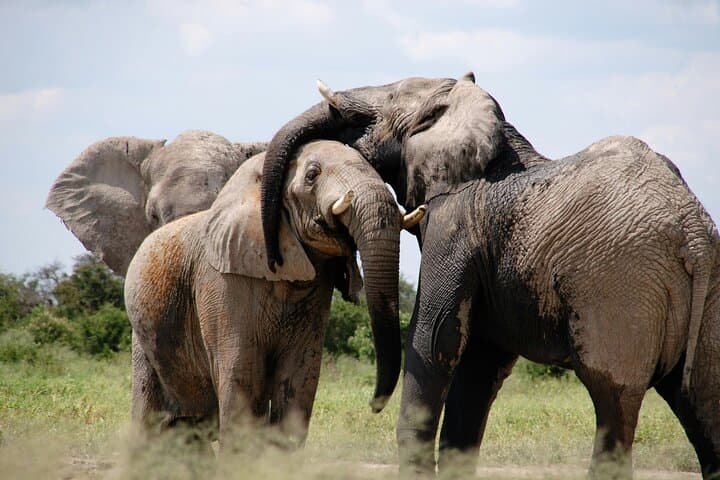
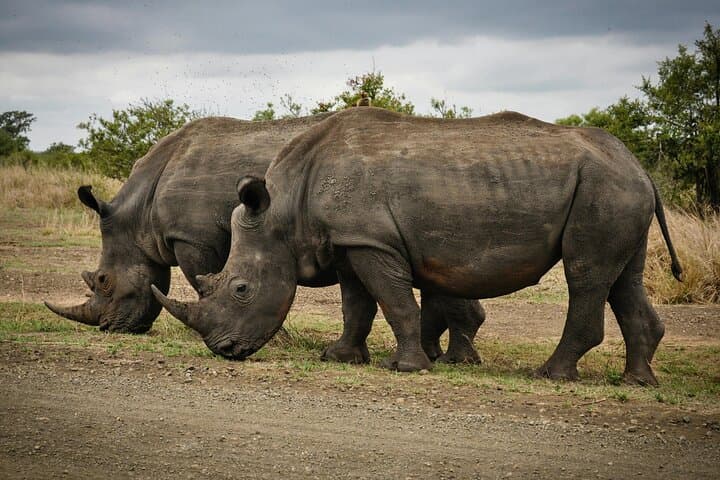
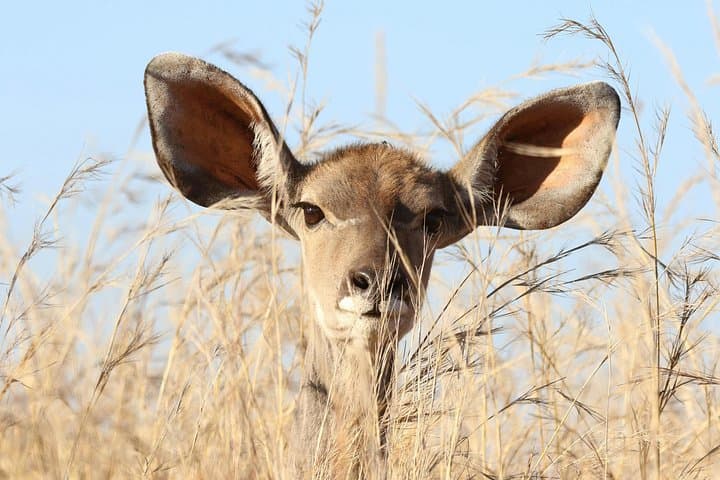
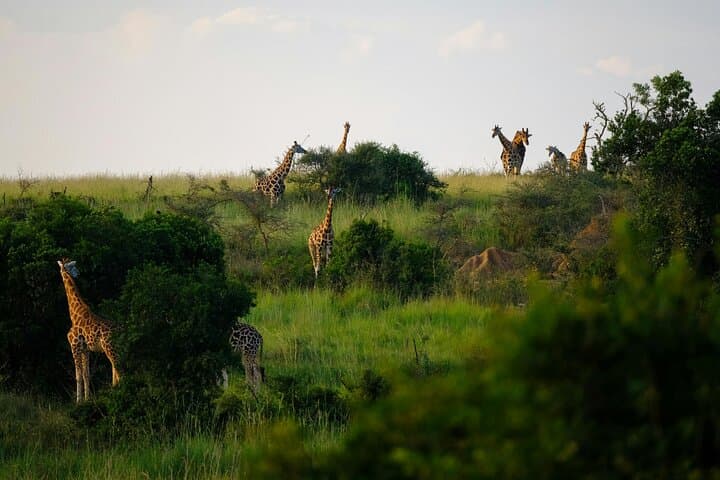
You step off the vehicle and the park changes underfoot: dry grass gives way to compact red earth, small beetles scatter and a lilting warble of birds threads through the canopy. The guide sets the pace — slow, attentive — so the small, curious life of Mosi-oa-Tunya National Park reveals itself: dung beetles rolling, dwarf mongoose darting between termite mounds, and dragonflies hunting over marshy pools.
You step off the vehicle and the park changes underfoot: dry grass gives way to compact red earth, small beetles scatter and a lilting warble of birds threads through the canopy. The guide sets the pace — slow, attentive — so the small, curious life of Mosi-oa-Tunya National Park reveals itself: dung beetles rolling, dwarf mongoose darting between termite mounds, and dragonflies hunting over marshy pools.
The walk threads through habitats shaped by the Zambezi and the basalt plateau carved during ancient volcanic flows; the park’s geology is low-relief but diverse, with riverine strips that support fig and mahogany near seasonal channels. This is Tonga country — local culture and park history are interwoven with the river and falls: families have used these corridors for generations and guides commonly share stories about traditional uses of plants and historical river routes.
Practically, the walk is a three-hour guided loop from Livingstone with minimal elevation change (expect under 100 m gain overall) and short sections of uneven grass and packed earth. You’ll move slowly, so binoculars and a patient eye matter as much as stamina. The experience is designed to show species and microhabitats that vehicles miss — insects, reptiles, small mammals and close-range birding — while keeping encounters safe: guides carry first aid, control proximity to larger animals, and brief groups on behavior.
Plan for sun and sudden showers in the wet season, bring water and closed-toe shoes, and leave loud conversation and sudden movements behind. The reward is incremental and intimate — the kind of walk that turns noticing into discovery.