THE ADVENTURE COLLECTIVE® · Independent discovery and booking for outdoor travel

Walk from Laxman Jhula through ashrams, bazaars and temple courtyards before joining the Ganga Aarti at dusk. This five‑hour private tour includes lunch and hotel pickup for a compact cultural introduction to Rishikesh.
Walk from Laxman Jhula through ashrams, bazaars and temple courtyards before joining the Ganga Aarti at dusk. This five‑hour private tour includes lunch and hotel pickup for a compact cultural introduction to Rishikesh.
You step off the riverside road and the air changes—incense, frying spices and the dry rustle of saffron robes. Ahead, the Laxman Jhula swings across the Ganges, cables humming faintly as pilgrims and vendors shuffle across. The river pulls at the edges of town, daring you to slow down and watch.
Verified experiences and guided adventures in the surrounding area.
Operated by SITA World Tours · Rishikesh, Uttarakhand
You step off the riverside road and the air changes—incense, frying spices and the dry rustle of saffron robes. Ahead, the Laxman Jhula swings across the Ganges, cables humming faintly as pilgrims and vendors shuffle across. The river pulls at the edges of town, daring you to slow down and watch.
Rishikesh grew as a Hindu pilgrimage site along the Himalayan foothills where the Ganges descends from glacial heights; temples and ashrams cluster where ancient trade routes met the river. In the 1960s the town entered global culture when the Beatles visited several ashrams, and since then a steady stream of seekers—spiritual, adventurous and curious—has shaped local life.
The walk moves from iron suspension bridges and temple courtyards to narrow bazaar lanes where spices and prayer beads spill onto footpaths. Geology here is simple but visible: the river-carved terraces, alluvial banks and fan-shaped foothills that feed monsoon runoff. Monks chant; street sounds punctuate quiet moments by the water.
Practical guidance: expect about five hours on foot with one restaurant lunch and short transport to start and finish. Dress respectfully—knees and shoulders covered—carry water, and wear sturdy walking shoes for uneven pavements and occasional stone steps. Timing matters: arrive to watch the Ganga Aarti as dusk deepens—the lamps and chant are the clearest way to understand local ritual.
This tour balances culture and manageable urban walking—ideal if you want a compact introduction to Rishikesh’s spiritual sites without long trekking, and a direct path to the Ganges’ evening ceremony.
moderate.
5 hours.
Moderate fitness—able to walk on uneven urban terrain for several hours with short breaks
Yes—temples and many ashrams require covered shoulders and knees for both men and women; bring a scarf or wear modest clothing.
Lunch is provided at a local restaurant and often includes vegetarian options typical of the region; beverages are excluded.
Yes—the itinerary brings you to the riverbank to watch the evening Ganga Aarti, with lamps, chanting and a riverside procession.
Children can join but must be accompanied by an adult; the walk includes uneven pavements and steps and is not recommended for travelers with severe mobility limitations.
Rishikesh has been a Hindu pilgrimage center for centuries and gained global attention after the Beatles visited in 1968, boosting international spiritual tourism.
Tourism pressures and river pollution are ongoing concerns—minimize plastic, avoid throwing items into the Ganges, and support local conservation-minded vendors.
SITA World Tours operates guided outdoor trips and adventures with an emphasis on safety, stewardship, and memorable experiences.
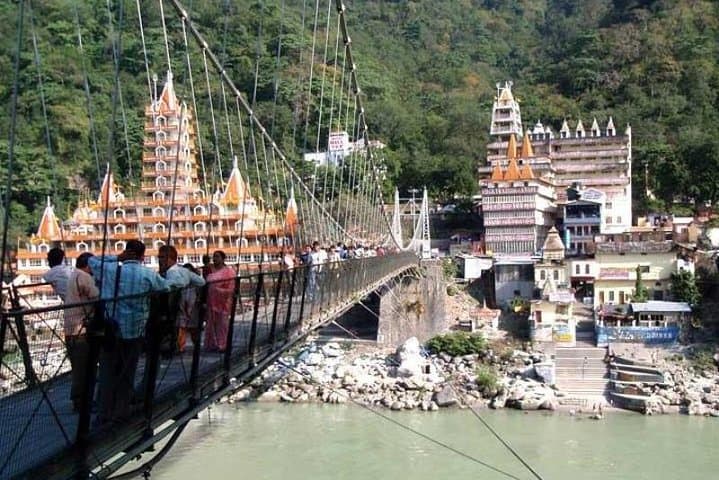
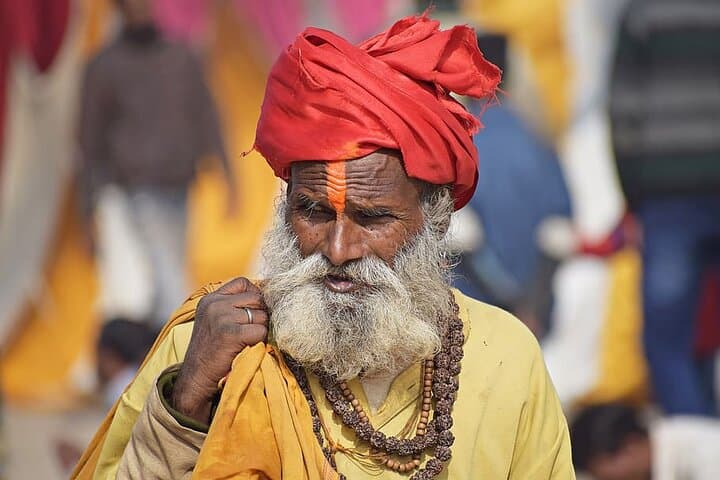
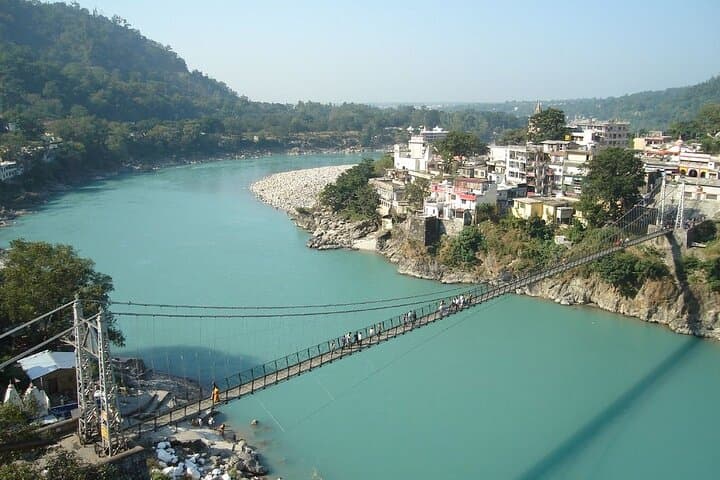

You step off the riverside road and the air changes—incense, frying spices and the dry rustle of saffron robes. Ahead, the Laxman Jhula swings across the Ganges, cables humming faintly as pilgrims and vendors shuffle across. The river pulls at the edges of town, daring you to slow down and watch.
You step off the riverside road and the air changes—incense, frying spices and the dry rustle of saffron robes. Ahead, the Laxman Jhula swings across the Ganges, cables humming faintly as pilgrims and vendors shuffle across. The river pulls at the edges of town, daring you to slow down and watch.
Rishikesh grew as a Hindu pilgrimage site along the Himalayan foothills where the Ganges descends from glacial heights; temples and ashrams cluster where ancient trade routes met the river. In the 1960s the town entered global culture when the Beatles visited several ashrams, and since then a steady stream of seekers—spiritual, adventurous and curious—has shaped local life.
The walk moves from iron suspension bridges and temple courtyards to narrow bazaar lanes where spices and prayer beads spill onto footpaths. Geology here is simple but visible: the river-carved terraces, alluvial banks and fan-shaped foothills that feed monsoon runoff. Monks chant; street sounds punctuate quiet moments by the water.
Practical guidance: expect about five hours on foot with one restaurant lunch and short transport to start and finish. Dress respectfully—knees and shoulders covered—carry water, and wear sturdy walking shoes for uneven pavements and occasional stone steps. Timing matters: arrive to watch the Ganga Aarti as dusk deepens—the lamps and chant are the clearest way to understand local ritual.
This tour balances culture and manageable urban walking—ideal if you want a compact introduction to Rishikesh’s spiritual sites without long trekking, and a direct path to the Ganges’ evening ceremony.