THE ADVENTURE COLLECTIVE® · Independent discovery and booking for outdoor travel

Walk Rembrandt’s Amsterdam with a single expert guide and follow the sites that shaped his life and work—from Nieuwmarkt to the Westerkerk. This private 2.5-hour tour blends Golden Age history, canal-side architecture, and practical local insight for an immersive city walk.
Walk Rembrandt’s Amsterdam with a single expert guide and follow the sites that shaped his life and work—from Nieuwmarkt to the Westerkerk. This private 2.5-hour tour blends Golden Age history, canal-side architecture, and practical local insight for an immersive city walk.
Stand in Nieuwmarkt as the canal air pulls salt and spice from the harbor and imagine the footsteps of a 17th-century painter threading through the same market stalls. The tour begins here, where De Waag and the old painters’ guild recall a city organized around trade, guilds, and public life—exactly the world Rembrandt painted.
Verified experiences and guided adventures in the surrounding area.
Operated by Artsy Tours · Amsterdam, North Holland
Stand in Nieuwmarkt as the canal air pulls salt and spice from the harbor and imagine the footsteps of a 17th-century painter threading through the same market stalls. The tour begins here, where De Waag and the old painters’ guild recall a city organized around trade, guilds, and public life—exactly the world Rembrandt painted.
Over the next two and a half hours the guide traces Rembrandt’s arc: patronage at the Trippenhuis, the family losses marked at Zuiderkerk, the façade of his former home on Jodenbreestraat, the cramped charm of the Jordaan where he spent his final years, and the Westerkerk where he was buried. Amsterdam’s geology—peaty soil and reclaimed polders—shaped its concentric canals, the Grachtengordel, and the mercantile wealth that paid for portraits and grand commissions.
Culturally this walk maps the Golden Age: merchant houses, guild halls, and markets that fed an international appetite for art and curiosities. The guide layers art history with local color—how markets and immigrant communities supplied models and props for biblical scenes, and how civic power shaped public commissions like The Night Watch.
Practical notes: expect cobbles, frequent canal bridges, and variable weather; the route stays outdoors and stops at façades and squares rather than museum interiors. Bring comfortable shoes, a rain layer, and a charged phone for photos. Tours are private and led consistently by the same Dutch local expert, offering a focused, personal perspective. Ideal for visitors who want contextualized walking history rather than a museum walkthrough.
moderate.
2–3 hours.
Able to stand and walk for roughly 2.5 hours, negotiate cobbles and short stairways; not strenuous.
No, this walking tour focuses on external sites and stories; museum admissions are not included and visits inside are not part of the standard itinerary.
Yes, the experience is private and consistently led by a single expert Dutch guide who specializes in Golden Age art and local history.
The route includes cobblestones, canal bridges, and occasional steps; it is not recommended for participants who need wheelchairs or walkers, and mobility aids are not available.
The guide meets at Nieuwmarkt and the route finishes near Westerkerk, a short walk apart from central tram and metro stops for onward travel.
The 17th-century Dutch Golden Age turned Amsterdam into a global trade hub whose merchants and guilds funded portraiture and civic art; Rembrandt both benefited from and critiqued that society through his work.
Stay on sidewalks and bridges, avoid feeding wildlife, and support local conservation by using public transport and buying from independent museums and markets when possible.
Artsy Tours operates guided outdoor trips and adventures with an emphasis on safety, stewardship, and memorable experiences.
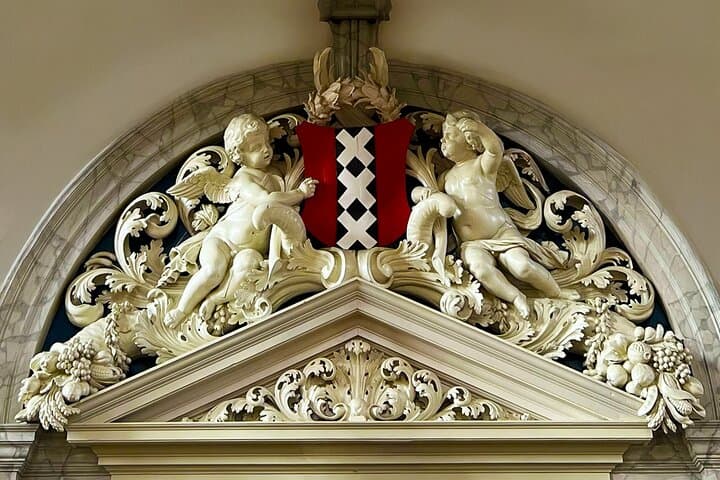
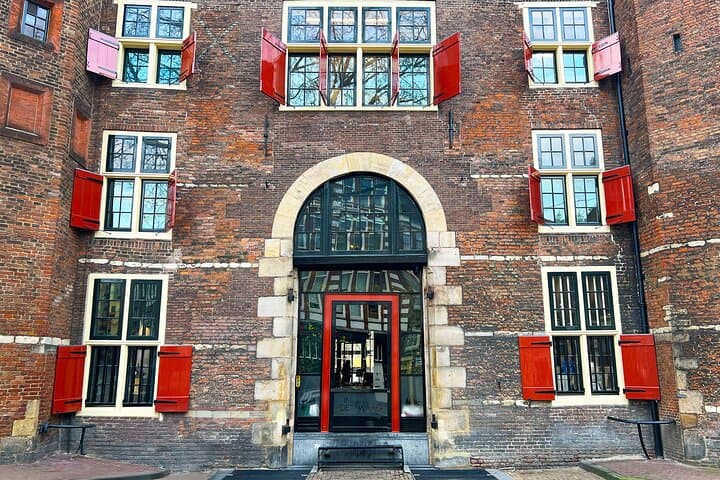
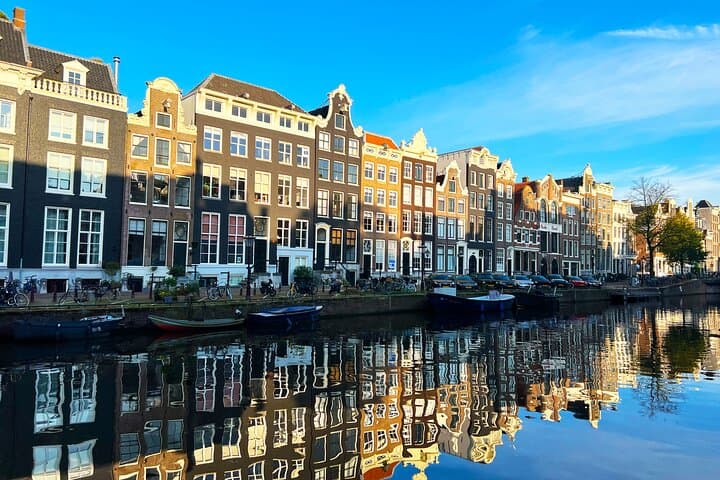
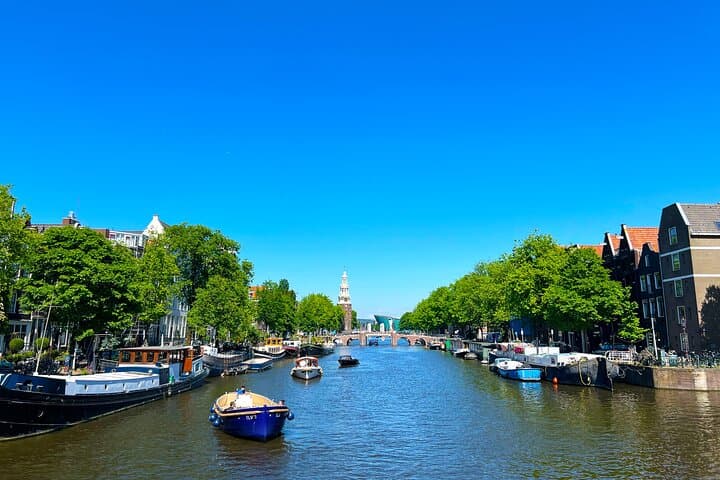
Stand in Nieuwmarkt as the canal air pulls salt and spice from the harbor and imagine the footsteps of a 17th-century painter threading through the same market stalls. The tour begins here, where De Waag and the old painters’ guild recall a city organized around trade, guilds, and public life—exactly the world Rembrandt painted.
Stand in Nieuwmarkt as the canal air pulls salt and spice from the harbor and imagine the footsteps of a 17th-century painter threading through the same market stalls. The tour begins here, where De Waag and the old painters’ guild recall a city organized around trade, guilds, and public life—exactly the world Rembrandt painted.
Over the next two and a half hours the guide traces Rembrandt’s arc: patronage at the Trippenhuis, the family losses marked at Zuiderkerk, the façade of his former home on Jodenbreestraat, the cramped charm of the Jordaan where he spent his final years, and the Westerkerk where he was buried. Amsterdam’s geology—peaty soil and reclaimed polders—shaped its concentric canals, the Grachtengordel, and the mercantile wealth that paid for portraits and grand commissions.
Culturally this walk maps the Golden Age: merchant houses, guild halls, and markets that fed an international appetite for art and curiosities. The guide layers art history with local color—how markets and immigrant communities supplied models and props for biblical scenes, and how civic power shaped public commissions like The Night Watch.
Practical notes: expect cobbles, frequent canal bridges, and variable weather; the route stays outdoors and stops at façades and squares rather than museum interiors. Bring comfortable shoes, a rain layer, and a charged phone for photos. Tours are private and led consistently by the same Dutch local expert, offering a focused, personal perspective. Ideal for visitors who want contextualized walking history rather than a museum walkthrough.