THE ADVENTURE COLLECTIVE® · Independent discovery and booking for outdoor travel

Walk through the heart of Pushkar with a local guide—visit the Brahma Temple, circle Pushkar Lake and watch evening aarti at the ghats. This 2–4 hour private tour blends history, ritual, and local stories into an accessible cultural hike.
Walk through the heart of Pushkar with a local guide—visit the Brahma Temple, circle Pushkar Lake and watch evening aarti at the ghats. This 2–4 hour private tour blends history, ritual, and local stories into an accessible cultural hike.
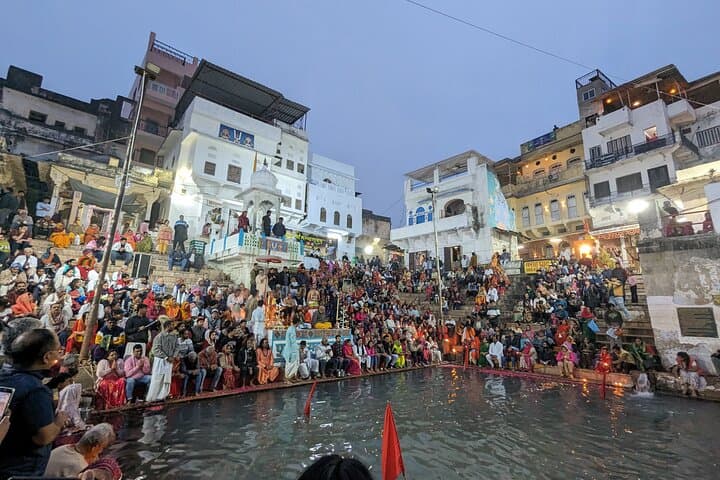
You step off a narrow lane and the air opens onto a rim of ghats, where early-morning light washes whitewashed steps and prayer flags. The lake ahead, rimmed by fifty-plus ghats, seems to breathe—locals moving like tides, brahmin priests ringing bells, and pilgrims tracing the water’s edge with reverent steps.
Verified experiences and guided adventures in the surrounding area.
Operated by The Shine Pushkar (Pushkar Local guide services) · Pushkar, Rajasthan
You step off a narrow lane and the air opens onto a rim of ghats, where early-morning light washes whitewashed steps and prayer flags. The lake ahead, rimmed by fifty-plus ghats, seems to breathe—locals moving like tides, brahmin priests ringing bells, and pilgrims tracing the water’s edge with reverent steps.
Pushkar’s compact town sits on the edge of the Aravalli hills. Its geology is gentle—ancient folded rock slabs that form low ridges—so the walk is mostly flat with a few short stair climbs to hill temples. Culturally the town is unusual: Pushkar hosts one of the world’s few Brahma temples and a centuries-long tradition of lake worship. Streets hum with bazaars selling brass puja wares, camel leather, and block-printed cloth; at dusk ghats hold aarti rituals that pull sky and water into one moving ceremony.
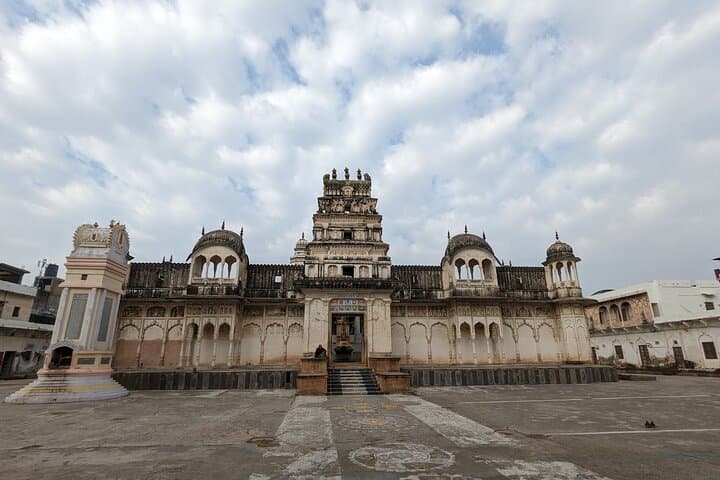
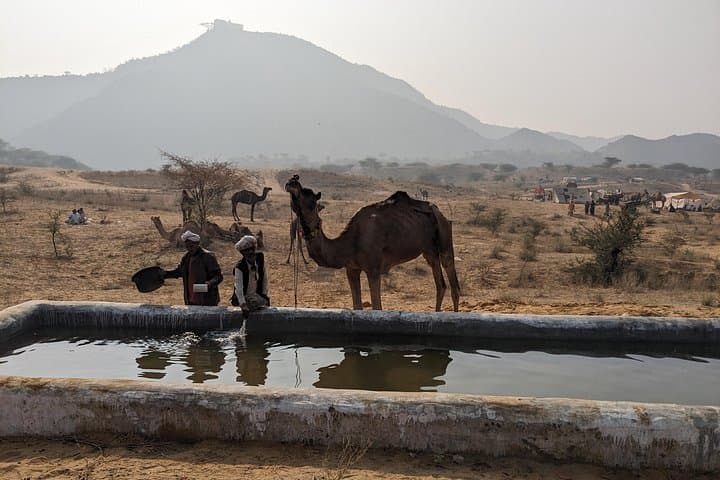
A good guide will thread history into each stop—from the medieval rebuilds of Rangji temples to the Marwari patronage that gilded pillars at New Rangnath. Expect local anecdotes about families who maintain ghats and the seasonal surge during the annual livestock fair.
Practical side: tours run 2–4 hours, mostly on paved alleys and stone steps—moderate mobility required. Wear closed walking shoes, sun protection, and carry water; modest dress is required for temple entry and VIP access to Brahma Temple may be included. Morning or late-afternoon departures avoid the harsh mid-day heat and let you catch the lake at its most contemplative. Bring a camera, but also respect rituals—silence and small offerings go further than flash photography.
easy.
2–4 hours.
Basic walking fitness; participants should be comfortable with 2–3 miles of mixed pavement and steps.
The private walking tour runs about 2–4 hours depending on your chosen pace and included stops.
VIP entry to Brahma Temple is often included; ask your operator for confirmation and any dress requirements.
Yes—strollers can be used in many areas, but expect steps at ghats and temples; the operator notes a moderate fitness level is recommended.
Yes—guides typically tailor visits to interests such as photography, ritual observation, or added activities like camel safaris or jeep rides.
Pushkar grew as a pilgrimage center around its sacred lake; the Brahma Temple is notable as one of very few temples dedicated to Lord Brahma in India and reflects Marwari patronage through later rebuilds.
Visitors should avoid offerings that pollute the lake and use designated disposal bins—local groups run periodic clean-ups and many guides encourage low-impact practices.
The Shine Pushkar (Pushkar Local guide services) operates guided outdoor trips and adventures with an emphasis on safety, stewardship, and memorable experiences.
You step off a narrow lane and the air opens onto a rim of ghats, where early-morning light washes whitewashed steps and prayer flags. The lake ahead, rimmed by fifty-plus ghats, seems to breathe—locals moving like tides, brahmin priests ringing bells, and pilgrims tracing the water’s edge with reverent steps.
You step off a narrow lane and the air opens onto a rim of ghats, where early-morning light washes whitewashed steps and prayer flags. The lake ahead, rimmed by fifty-plus ghats, seems to breathe—locals moving like tides, brahmin priests ringing bells, and pilgrims tracing the water’s edge with reverent steps.
Pushkar’s compact town sits on the edge of the Aravalli hills. Its geology is gentle—ancient folded rock slabs that form low ridges—so the walk is mostly flat with a few short stair climbs to hill temples. Culturally the town is unusual: Pushkar hosts one of the world’s few Brahma temples and a centuries-long tradition of lake worship. Streets hum with bazaars selling brass puja wares, camel leather, and block-printed cloth; at dusk ghats hold aarti rituals that pull sky and water into one moving ceremony.
A good guide will thread history into each stop—from the medieval rebuilds of Rangji temples to the Marwari patronage that gilded pillars at New Rangnath. Expect local anecdotes about families who maintain ghats and the seasonal surge during the annual livestock fair.
Practical side: tours run 2–4 hours, mostly on paved alleys and stone steps—moderate mobility required. Wear closed walking shoes, sun protection, and carry water; modest dress is required for temple entry and VIP access to Brahma Temple may be included. Morning or late-afternoon departures avoid the harsh mid-day heat and let you catch the lake at its most contemplative. Bring a camera, but also respect rituals—silence and small offerings go further than flash photography.