THE ADVENTURE COLLECTIVE® · Independent discovery and booking for outdoor travel

Get up close to one of Patagonia’s most dramatic glaciers on a guided mini-trek across blue ice. This full-day experience combines a short boat crossing, guided crampon time and panoramic walkways for front-row views of Perito Moreno.
Get up close to one of Patagonia’s most dramatic glaciers on a guided mini-trek across blue ice. This full-day experience combines a short boat crossing, guided crampon time and panoramic walkways for front-row views of Perito Moreno.
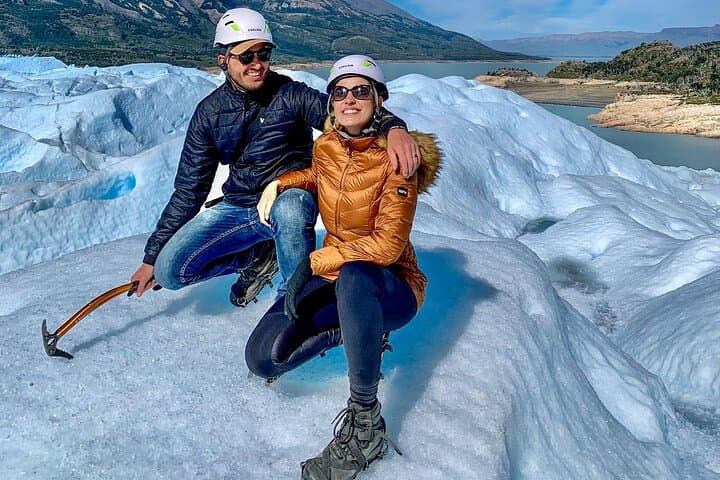
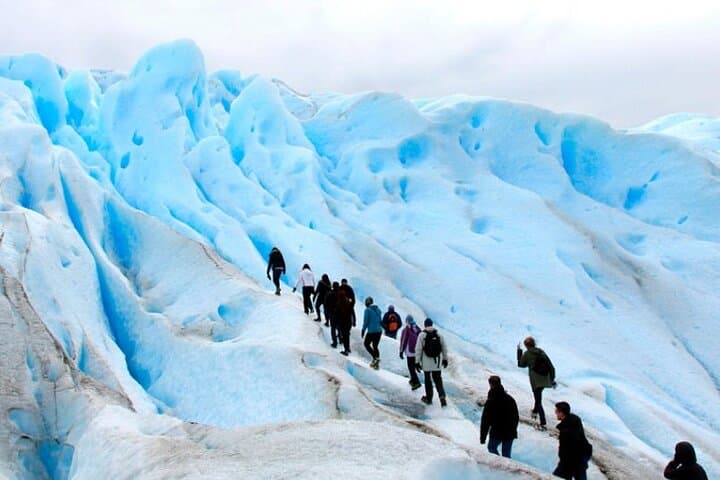
You step off the skiff onto an offshore tongue of white and blue; the air smells of cold water and crushed snow, and the glacier seems to breathe under your boots. The first crunch of crampons on ice punctuates the silence as guides map a route across hummocks, moulins and deep crevasses that catch the light like glass.
Verified experiences and guided adventures in the surrounding area.
Operated by Ciatrip · El Calafate, Santa Cruz
You step off the skiff onto an offshore tongue of white and blue; the air smells of cold water and crushed snow, and the glacier seems to breathe under your boots. The first crunch of crampons on ice punctuates the silence as guides map a route across hummocks, moulins and deep crevasses that catch the light like glass.
Perito Moreno sits in Los Glaciares National Park, formed from the Southern Patagonian Ice Field and fed by centuries of snowfall and compression. Unlike many retreating glaciers worldwide, Perito Moreno advances in cycles that have shaped the shorelines and local ranching history around Lago Argentino. Indigenous Tehuelche people once tracked game at its periphery; later explorers and scientists recorded the glacier’s dramatic calving events.
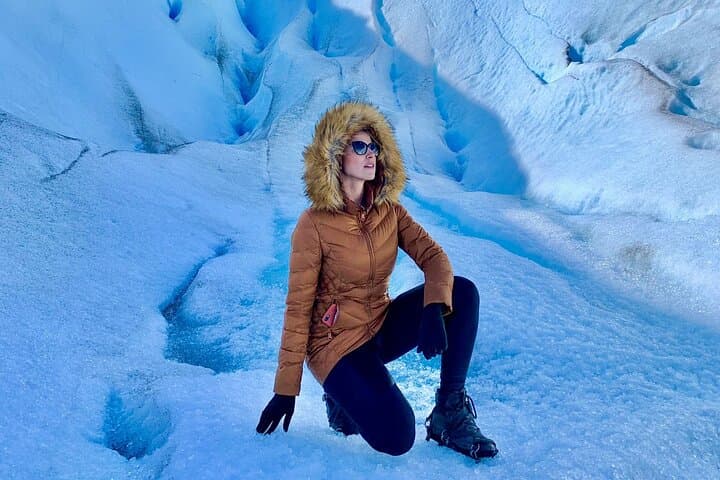
Geologically the ice is sculpted by meltwater and pressure, revealing vivid blues where air has been squeezed out. Wildlife—rarely on the ice itself but abundant along the shores—includes Andean condors and ñandú on the pampas beyond the park.
In practical terms this is a full-day, physically demanding mini-trek. Tours include a boat crossing, guided crampon time (about 1.5 hours on the ice) and walkway viewpoints. Wear a waterproof outer layer, warm mid-layers, sturdy trekking boots and sunglasses; guides supply crampons and safety gear. Bring snacks, at least 1–2 liters of water and sun protection—UV is intense even in cold air.
Timing matters: calmer mornings often mean steadier ice conditions and better light for photography. Above all, follow your guide—on Perito Moreno the landscape is beautiful but uncompromising, actively changing with each season.
challenging.
9–10 hours.
Expect a demanding day: good cardiovascular fitness, leg strength, and balance are required for uneven ice and long transfers.
Typical inclusions are boat transfer to Brazo Rico, bilingual mountain guide, crampons and safety equipment, a guided 1.5-hour glacier walk, and a visit to the viewing walkways; hotel transfers are often included.
No—most operators restrict participation by age and health; pregnant travelers and those with cardiovascular or severe joint issues are not permitted.
Temperatures can range from just below freezing to single digits Celsius; wear moisture-wicking base layers, insulating mid-layers, and a waterproof outer shell plus gloves and hat.
Yes—photography is encouraged, but keep hands free while walking; many sections require careful footing and attention to the guide.
Perito Moreno is part of the Southern Patagonian Ice Field; its name honors explorer Francisco Moreno who mapped the region in the late 19th century and helped delimit Argentine territorial claims.
Los Glaciares National Park is protected, but rising temperatures affect glacial dynamics; visitors are encouraged to follow Leave No Trace practices and stay on designated routes to limit impact.
Ciatrip operates guided outdoor trips and adventures with an emphasis on safety, stewardship, and memorable experiences.
You step off the skiff onto an offshore tongue of white and blue; the air smells of cold water and crushed snow, and the glacier seems to breathe under your boots. The first crunch of crampons on ice punctuates the silence as guides map a route across hummocks, moulins and deep crevasses that catch the light like glass.
You step off the skiff onto an offshore tongue of white and blue; the air smells of cold water and crushed snow, and the glacier seems to breathe under your boots. The first crunch of crampons on ice punctuates the silence as guides map a route across hummocks, moulins and deep crevasses that catch the light like glass.
Perito Moreno sits in Los Glaciares National Park, formed from the Southern Patagonian Ice Field and fed by centuries of snowfall and compression. Unlike many retreating glaciers worldwide, Perito Moreno advances in cycles that have shaped the shorelines and local ranching history around Lago Argentino. Indigenous Tehuelche people once tracked game at its periphery; later explorers and scientists recorded the glacier’s dramatic calving events.
Geologically the ice is sculpted by meltwater and pressure, revealing vivid blues where air has been squeezed out. Wildlife—rarely on the ice itself but abundant along the shores—includes Andean condors and ñandú on the pampas beyond the park.
In practical terms this is a full-day, physically demanding mini-trek. Tours include a boat crossing, guided crampon time (about 1.5 hours on the ice) and walkway viewpoints. Wear a waterproof outer layer, warm mid-layers, sturdy trekking boots and sunglasses; guides supply crampons and safety gear. Bring snacks, at least 1–2 liters of water and sun protection—UV is intense even in cold air.
Timing matters: calmer mornings often mean steadier ice conditions and better light for photography. Above all, follow your guide—on Perito Moreno the landscape is beautiful but uncompromising, actively changing with each season.