THE ADVENTURE COLLECTIVE® · Independent discovery and booking for outdoor travel

Walk into a canyon where limestone ledges hold thousands of rock-cut tombs and the Anapo River chisels the landscape. This guided tour pairs archaeology, rugged geology and accessible trails for a half-day exploration outside Siracusa.
Walk into a canyon where limestone ledges hold thousands of rock-cut tombs and the Anapo River chisels the landscape. This guided tour pairs archaeology, rugged geology and accessible trails for a half-day exploration outside Siracusa.
You step off the shuttle and the valley opens—sheer limestone walls sliced by the Anapo River, olive trees gripping rocky terraces, and thousands of rock-cut tombs staring back from the cliff faces. The air is dry and aromatic; the canyon seems to watch as you walk along narrow paths that alternate between forested shade and sun-baked ledge.
Verified experiences and guided adventures in the surrounding area.
Operated by Sicily Unearthed · Siracusa, Sicily
You step off the shuttle and the valley opens—sheer limestone walls sliced by the Anapo River, olive trees gripping rocky terraces, and thousands of rock-cut tombs staring back from the cliff faces. The air is dry and aromatic; the canyon seems to watch as you walk along narrow paths that alternate between forested shade and sun-baked ledge.
Pantalica is home to one of the largest necropoleis in the Mediterranean, with chamber tombs carved between the late Bronze Age and the early Iron Age. Its geology is karst limestone: water has gouged deep gorges and left shelves where ancient peoples made burial chambers. The area is part of the UNESCO listing that links Syracuse to Pantalica for its cultural landscape and archaeological value.
Local villages—Ferla, Sortino and the city of Siracusa—carry traditions tied to the land; shepherding and small-scale farming shaped the terraces you’ll pass. Guides often point out Phoenician and indigenous influences in the tomb shapes and nearby ruins.
Practical guidance: expect 4–5 hours on varied trail surfaces—gravel, stone steps and occasional metal bridges. Trails cross exposed sections with modest elevation change; bring 1.5–2 liters of water, sturdy footwear, sun protection and a light wind layer for the canyon. Early starts avoid midday heat in summer and bring better light for photography. Respect fenced sites and stay on marked trails to protect ancient tombs and fragile flora. The route blends accessible walking with moments that reward a steady pace and curiosity for history and geology.
easy.
4–5 hours.
Suitable for most people who can walk moderate distances on uneven terrain; some sections require steady footing.
The guided tour typically lasts 4–5 hours, covering several viewpoints and sections of the necropolis along the Anapo valley.
Yes—the archaeological area linking Syracuse and Pantalica is recognized for its cultural landscape and ancient tombs.
Parts of the reserve are accessible, but many trails include uneven surfaces and steps; notify the operator about mobility needs when booking.
Pantalica is about a 30–40 minute drive northwest of Siracusa by car; tours commonly provide pickup or meet at local hubs in the city.
The necropolis contains thousands of rock-cut chamber tombs dating roughly from the 13th to 7th centuries BCE, reflecting successive indigenous and external cultural influences.
Trails and fencing protect fragile archaeological sites and rare Mediterranean flora; visitors should avoid trampling vegetation and follow Leave No Trace principles.
Sicily Unearthed operates guided outdoor trips and adventures with an emphasis on safety, stewardship, and memorable experiences.
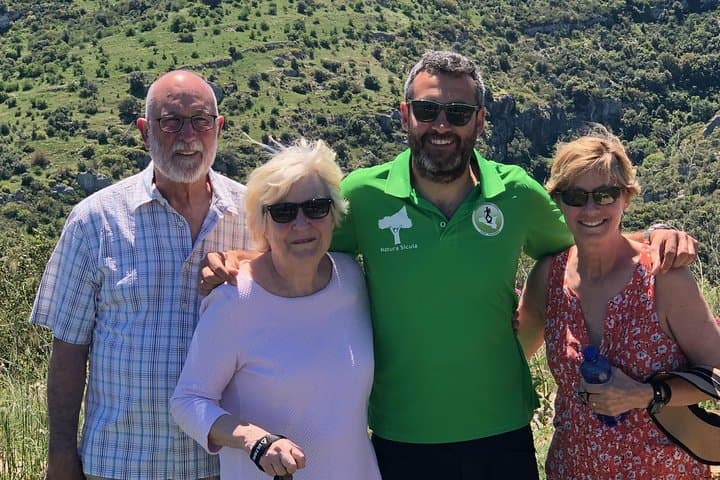
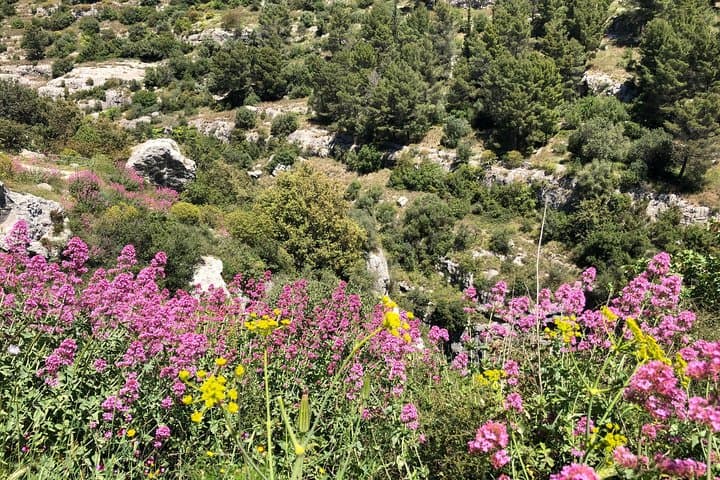
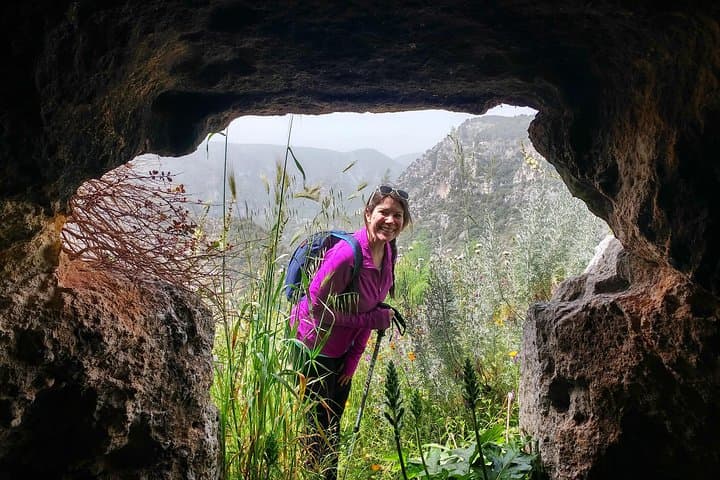
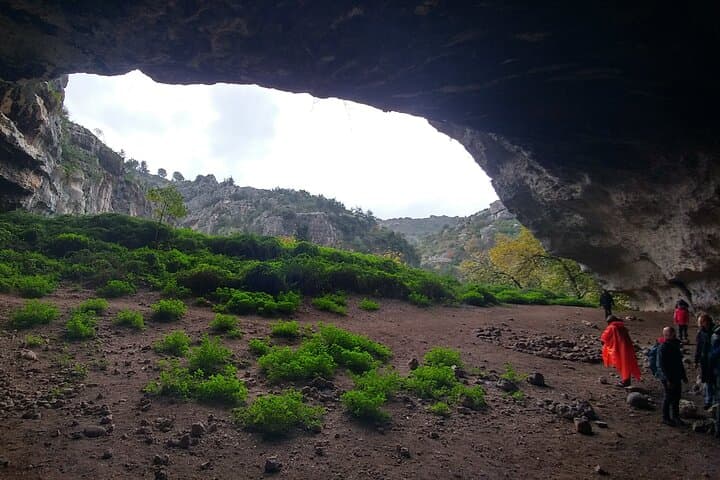
You step off the shuttle and the valley opens—sheer limestone walls sliced by the Anapo River, olive trees gripping rocky terraces, and thousands of rock-cut tombs staring back from the cliff faces. The air is dry and aromatic; the canyon seems to watch as you walk along narrow paths that alternate between forested shade and sun-baked ledge.
You step off the shuttle and the valley opens—sheer limestone walls sliced by the Anapo River, olive trees gripping rocky terraces, and thousands of rock-cut tombs staring back from the cliff faces. The air is dry and aromatic; the canyon seems to watch as you walk along narrow paths that alternate between forested shade and sun-baked ledge.
Pantalica is home to one of the largest necropoleis in the Mediterranean, with chamber tombs carved between the late Bronze Age and the early Iron Age. Its geology is karst limestone: water has gouged deep gorges and left shelves where ancient peoples made burial chambers. The area is part of the UNESCO listing that links Syracuse to Pantalica for its cultural landscape and archaeological value.
Local villages—Ferla, Sortino and the city of Siracusa—carry traditions tied to the land; shepherding and small-scale farming shaped the terraces you’ll pass. Guides often point out Phoenician and indigenous influences in the tomb shapes and nearby ruins.
Practical guidance: expect 4–5 hours on varied trail surfaces—gravel, stone steps and occasional metal bridges. Trails cross exposed sections with modest elevation change; bring 1.5–2 liters of water, sturdy footwear, sun protection and a light wind layer for the canyon. Early starts avoid midday heat in summer and bring better light for photography. Respect fenced sites and stay on marked trails to protect ancient tombs and fragile flora. The route blends accessible walking with moments that reward a steady pace and curiosity for history and geology.