THE ADVENTURE COLLECTIVE® · Independent discovery and booking for outdoor travel

Spend three concentrated hours with a private guide exploring Padua’s best: Caffè Pedrocchi, Prato della Valle, the University quarter and Giotto’s Scrovegni Chapel with skip‑the‑line access. This guided walk pairs cultural insight with practical access to the city’s historic core.
Spend three concentrated hours with a private guide exploring Padua’s best: Caffè Pedrocchi, Prato della Valle, the University quarter and Giotto’s Scrovegni Chapel with skip‑the‑line access. This guided walk pairs cultural insight with practical access to the city’s historic core.
Morning light pours over the pale stone of Caffè Pedrocchi as your guide waits, name sign in hand, and the city hums awake — bicycles skimming cobbles, market stalls arranging produce, and the distant bell of the Basilica marking the hour.
Verified experiences and guided adventures in the surrounding area.
Operated by Eyes of Rome · Padova, Veneto
Morning light pours over the pale stone of Caffè Pedrocchi as your guide waits, name sign in hand, and the city hums awake — bicycles skimming cobbles, market stalls arranging produce, and the distant bell of the Basilica marking the hour.
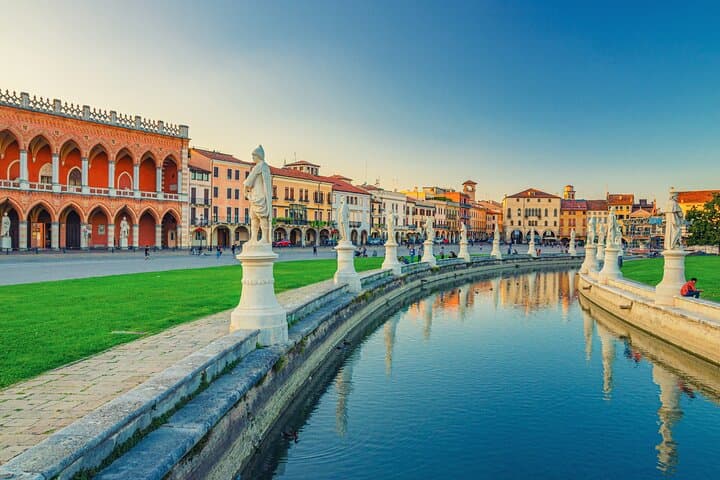
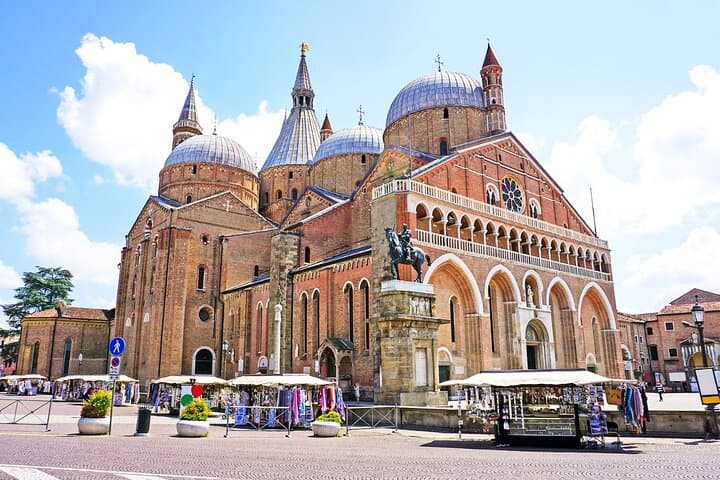
This three‑hour private walk threads together Padua’s lived history: Prato della Valle’s broad oval and baroque statues, the medieval expanse of Palazzo della Ragione, the academic courtyards of Padua University and the bustling markets of Piazza delle Erbe and dei Frutti. Geologically the city sits on the Po plain, its foundations shaped by alluvial clay and nearby Euganean Hills that give the skyline a slow, green edge. Culturally, Padua balances monastic devotion and student satire — the Basilica of Saint Anthony and Giotto’s Scrovegni Chapel sit alongside cafés where scholars have debated for centuries.
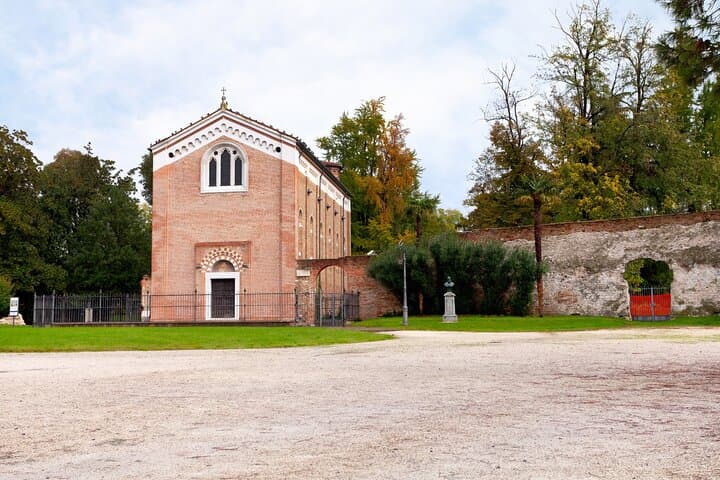
Expect close views of fresco detail at Scrovegni (skip‑the‑line tickets included), narrated stories of civic life, and practical guidance on local customs and access. Note the dress code for sacred sites: shoulders and knees covered; large bags and food are restricted to protect interiors and delicate frescoes. The route is mostly flat on paved streets and squares, suitable for most fitness levels. Plan for comfortable shoes, a light layer for changing weather, and a small bottle of water. Public transport and taxis are readily available before and after the tour.
By the time you return to Pedrocchi, the city will feel deliberate and immediate: art that still argues with the present, and streets that encourage slow, curious walking.
easy.
3 hours.
Suitable for most fitness levels; involves up to three hours of standing and moderate walking on paved streets.
Yes — skip‑the‑line Scrovegni Chapel tickets are included so your group can see Giotto’s frescoes without long waits.
Meet in front of Caffè Pedrocchi (Via VIII Febbraio, 15); the tour also returns to this meeting point at the end.
Most of the route is flat and on paved surfaces, but check in advance for specific accessibility accommodations at historic interiors like the Chapel and Basilica.
Photography inside the Scrovegni Chapel is restricted to protect the frescoes; your guide will explain current rules before entry.
Padua dates back to pre‑Roman times and is home to the University of Padua (1222); Giotto painted the Scrovegni Chapel frescoes around 1305, a milestone in early Renaissance art.
Strict entry rules and environmental controls protect the Scrovegni frescoes; visitors are asked to respect no‑food/no‑large‑bag policies and keep noise to a minimum.
Eyes of Rome operates guided outdoor trips and adventures with an emphasis on safety, stewardship, and memorable experiences.
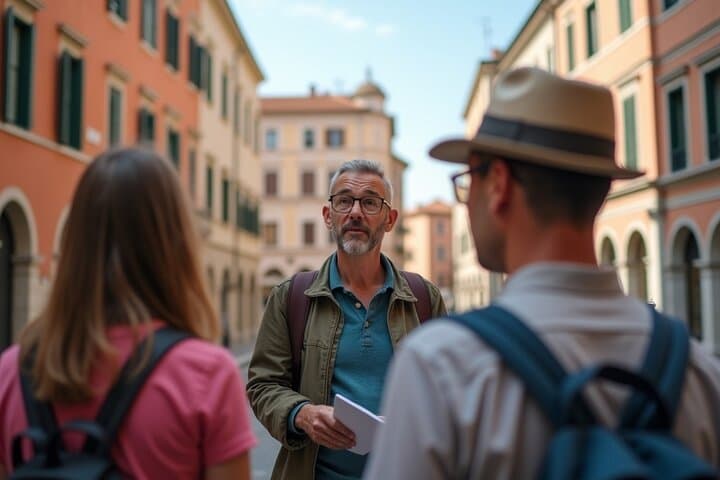
Morning light pours over the pale stone of Caffè Pedrocchi as your guide waits, name sign in hand, and the city hums awake — bicycles skimming cobbles, market stalls arranging produce, and the distant bell of the Basilica marking the hour.
Morning light pours over the pale stone of Caffè Pedrocchi as your guide waits, name sign in hand, and the city hums awake — bicycles skimming cobbles, market stalls arranging produce, and the distant bell of the Basilica marking the hour.
This three‑hour private walk threads together Padua’s lived history: Prato della Valle’s broad oval and baroque statues, the medieval expanse of Palazzo della Ragione, the academic courtyards of Padua University and the bustling markets of Piazza delle Erbe and dei Frutti. Geologically the city sits on the Po plain, its foundations shaped by alluvial clay and nearby Euganean Hills that give the skyline a slow, green edge. Culturally, Padua balances monastic devotion and student satire — the Basilica of Saint Anthony and Giotto’s Scrovegni Chapel sit alongside cafés where scholars have debated for centuries.
Expect close views of fresco detail at Scrovegni (skip‑the‑line tickets included), narrated stories of civic life, and practical guidance on local customs and access. Note the dress code for sacred sites: shoulders and knees covered; large bags and food are restricted to protect interiors and delicate frescoes. The route is mostly flat on paved streets and squares, suitable for most fitness levels. Plan for comfortable shoes, a light layer for changing weather, and a small bottle of water. Public transport and taxis are readily available before and after the tour.
By the time you return to Pedrocchi, the city will feel deliberate and immediate: art that still argues with the present, and streets that encourage slow, curious walking.