THE ADVENTURE COLLECTIVE® · Independent discovery and booking for outdoor travel

Walk the steps where Nashville’s civil rights leaders confronted power and hear the local stories behind the city’s transformation. This two-hour guided route pairs historic sites, public art, and contemporary Black-owned businesses for a compact civic history.
Walk the steps where Nashville’s civil rights leaders confronted power and hear the local stories behind the city’s transformation. This two-hour guided route pairs historic sites, public art, and contemporary Black-owned businesses for a compact civic history.
Stand on the brick sidewalk outside the Nashville Visitor Center and the city breathes history through its streets. The hum of downtown — delivery trucks, a guitar from a nearby bar, tourists clicking cameras — frames a tour that pauses at courthouse steps, murals, and the small storefronts where strategies were planned and lives were changed.
Verified experiences and guided adventures in the surrounding area.
Operated by United Street Tours · Nashville, TN
Stand on the brick sidewalk outside the Nashville Visitor Center and the city breathes history through its streets. The hum of downtown — delivery trucks, a guitar from a nearby bar, tourists clicking cameras — frames a tour that pauses at courthouse steps, murals, and the small storefronts where strategies were planned and lives were changed.
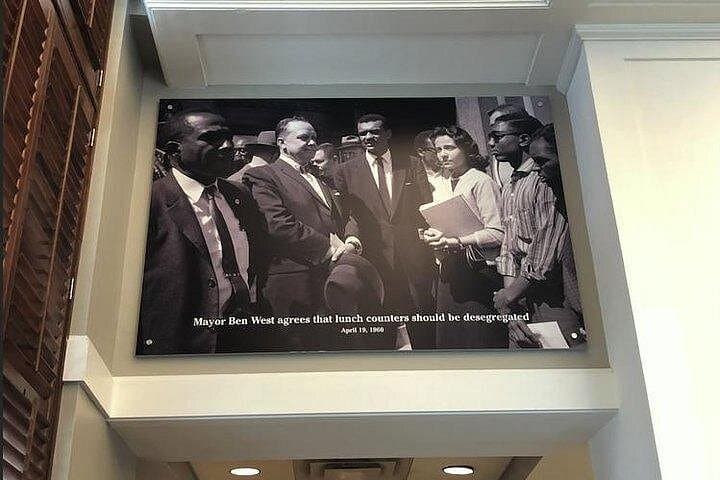
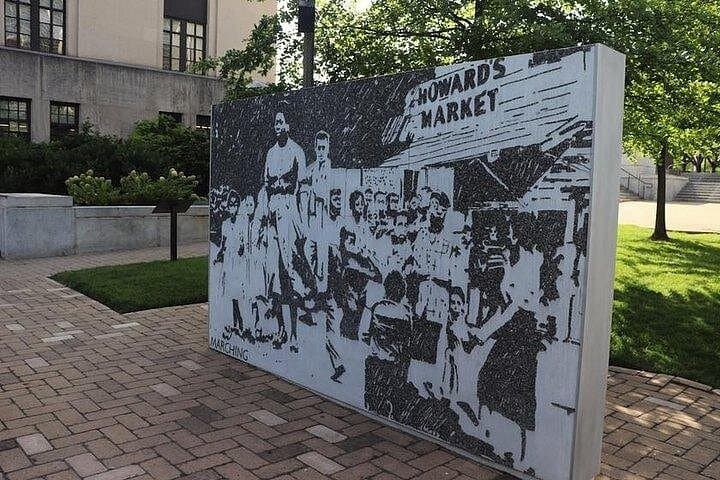
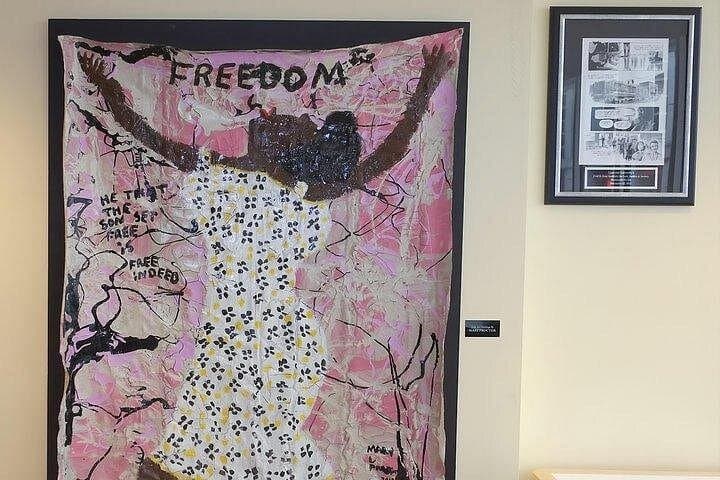
This two-hour walk traces Nashville’s civil rights architecture and the people who shaped it. You’ll hear about Diane Nash and student sit-in organizers who pressured city officials from courthouse steps, the role of women in organizing mass actions, and the later cultural shifts that turned a segregated market town into a nationally influential music city. The route passes modern murals and the Witness Walls, a hidden art installation with math and science elements, and stops outside the National Museum of African American Music and local food halls that showcase present-day Black entrepreneurship.
Geology barely registers here — the Cumberland River quietly defines the city’s edge — but culture and memory are layered into neighborhoods, storefronts and public art that dare you to look closer. Guides connect archival stories to present-day businesses and community leaders, making history immediate and civic.
Practical guidance: plan for two hours of mostly flat urban walking, bring a refillable water bottle and comfortable shoes, and expect frequent photo stops. Morning tours beat the heat and larger crowds on Lower Broadway. Be prepared to listen, ask questions, and support local businesses encountered along the route.
moderate.
2 hours.
Moderate — suitable for anyone comfortable walking 2 miles with short stops; some standing required.
Meet outside the Nashville Visitor Center at 501 Broadway; the tour loops through nearby historic sites and returns to the starting area.
Yes — the route is on paved, mostly flat streets and is listed as wheelchair accessible; contact the operator in advance for specific needs.
It’s a two-hour, mostly flat urban walk with frequent stops — a moderate level of fitness is recommended.
Yes — strollers are allowed, but expect crowded sidewalks in areas like Lower Broadway; plan accordingly.
Nashville played a key role in sit-in campaigns and student-led civil rights actions; central figures like Diane Nash used civic spaces and courthouses as stages for direct action.
Support local sustainability by using refillable bottles, staying on public sidewalks, and patronizing small Black-owned businesses to keep cultural heritage sites economically viable.
United Street Tours operates guided outdoor trips and adventures with an emphasis on safety, stewardship, and memorable experiences.
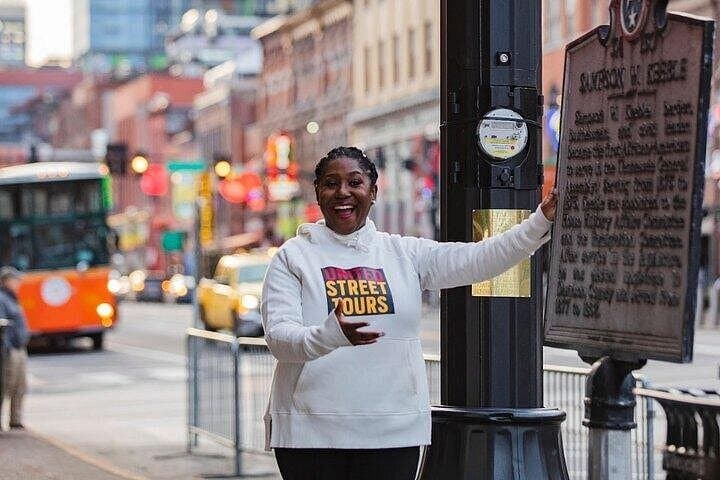
Stand on the brick sidewalk outside the Nashville Visitor Center and the city breathes history through its streets. The hum of downtown — delivery trucks, a guitar from a nearby bar, tourists clicking cameras — frames a tour that pauses at courthouse steps, murals, and the small storefronts where strategies were planned and lives were changed.
Stand on the brick sidewalk outside the Nashville Visitor Center and the city breathes history through its streets. The hum of downtown — delivery trucks, a guitar from a nearby bar, tourists clicking cameras — frames a tour that pauses at courthouse steps, murals, and the small storefronts where strategies were planned and lives were changed.
This two-hour walk traces Nashville’s civil rights architecture and the people who shaped it. You’ll hear about Diane Nash and student sit-in organizers who pressured city officials from courthouse steps, the role of women in organizing mass actions, and the later cultural shifts that turned a segregated market town into a nationally influential music city. The route passes modern murals and the Witness Walls, a hidden art installation with math and science elements, and stops outside the National Museum of African American Music and local food halls that showcase present-day Black entrepreneurship.
Geology barely registers here — the Cumberland River quietly defines the city’s edge — but culture and memory are layered into neighborhoods, storefronts and public art that dare you to look closer. Guides connect archival stories to present-day businesses and community leaders, making history immediate and civic.
Practical guidance: plan for two hours of mostly flat urban walking, bring a refillable water bottle and comfortable shoes, and expect frequent photo stops. Morning tours beat the heat and larger crowds on Lower Broadway. Be prepared to listen, ask questions, and support local businesses encountered along the route.