THE ADVENTURE COLLECTIVE® · Independent discovery and booking for outdoor travel

Trace Medellín’s contentious recent history on a guided four-hour tour that visits the sites linked to Pablo Escobar’s life and legacy. Learn the social, political and human context behind the headlines while seeing how the city has reshaped itself.
Trace Medellín’s contentious recent history on a guided four-hour tour that visits the sites linked to Pablo Escobar’s life and legacy. Learn the social, political and human context behind the headlines while seeing how the city has reshaped itself.
You meet beneath the hum of cafes in Parque del Poblado, the city's pulse pressing around you, and step into neighborhoods where asphalt rises up the green slopes of the Aburrá Valley. Streets here remember more than names; they keep stories—murals, memorials, quietly placed flowers—and the guide leads you into those stories with a clear purpose: to explain, not to glorify.
Verified experiences and guided adventures in the surrounding area.
Operated by vuelamax actividades y tours · Medellín, Antioquia
You meet beneath the hum of cafes in Parque del Poblado, the city's pulse pressing around you, and step into neighborhoods where asphalt rises up the green slopes of the Aburrá Valley. Streets here remember more than names; they keep stories—murals, memorials, quietly placed flowers—and the guide leads you into those stories with a clear purpose: to explain, not to glorify.
This four-hour walking and short-vehicle tour threads through key sites tied to Pablo Escobar: a local sanctuary once frequented, the former footprint of the Monaco building now a sober memorial, the Montesacro cemetery where his remains are said to rest, and the social housing complex he commissioned. Medellín sits in a narrow Andean valley, its geology shaping dense neighborhoods and lookout points that frame the city's violent and civic histories alike. The tour balances social context—how the cartel altered politics and livelihoods—with cultural notes on Medellín's civic recovery: public transit projects, street art in Comuna 13, and community-led memorials.
Practical guidance: expect mixed walking and short drives across uneven urban pavements; bring water, closed shoes and a light rain layer. Photography is permitted in public areas, but respect residents and memorial spaces; avoid sensational questions or intrusive footage. Mornings are cooler and less crowded, while afternoons bring more urban activity. Guides are local and focused on education—listen for first-hand recollections and ask about the city's transformation. This is a history-forward, emotionally textured urban tour that asks you to observe, reflect, and leave with a clearer sense of Medellín's past and present.
easy.
4 hours.
Light walking ability; suitable for most fitness levels with intermittent standing and short walks
Guided urban tours in Medellín are generally safe; guides follow established routes and advise on respectful behavior—use common urban precautions for belongings.
Photography is allowed in most public areas, but always follow guide instructions and avoid photographing private residences or mourners in cemeteries.
Yes—physical demands are low, but participants should be comfortable with several hours of walking and emotional content related to violent history.
No—the itinerary and guides emphasize education, victims’ perspectives and Medellín’s social transformation rather than sensationalizing criminal figures.
The Medellín Cartel, led by Escobar in the 1970s–90s, reshaped local politics and urban life; the Monaco building—once a symbol of wealth—was demolished and replaced by a victim-led memorial.
Respectful tourism matters here: avoid turning memorials into attractions, support local businesses, and follow guides’ instructions to minimize disturbance to residents and sacred sites.
vuelamax actividades y tours operates guided outdoor trips and adventures with an emphasis on safety, stewardship, and memorable experiences.
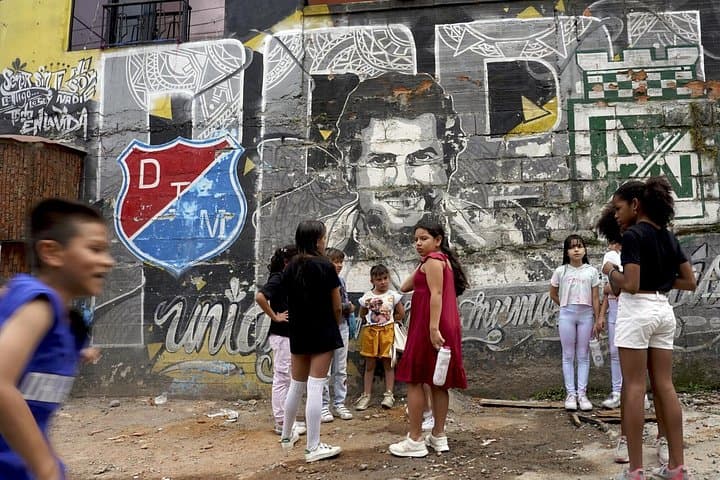
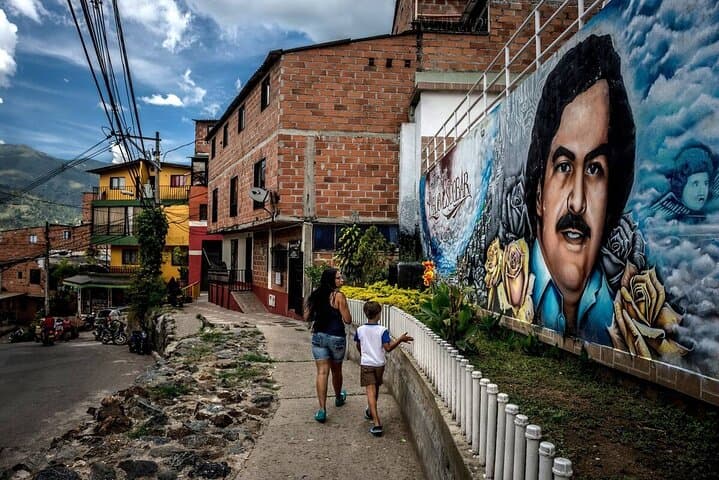
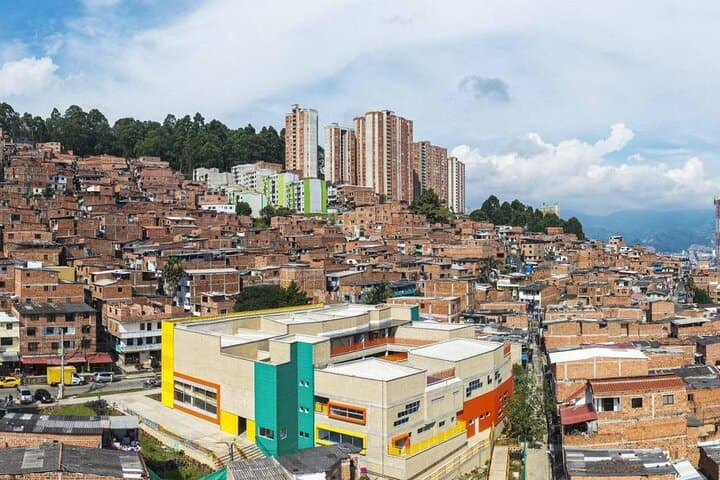
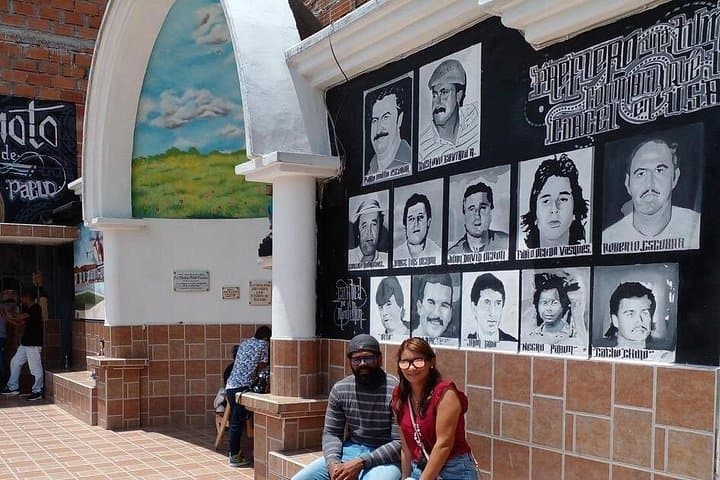
You meet beneath the hum of cafes in Parque del Poblado, the city's pulse pressing around you, and step into neighborhoods where asphalt rises up the green slopes of the Aburrá Valley. Streets here remember more than names; they keep stories—murals, memorials, quietly placed flowers—and the guide leads you into those stories with a clear purpose: to explain, not to glorify.
You meet beneath the hum of cafes in Parque del Poblado, the city's pulse pressing around you, and step into neighborhoods where asphalt rises up the green slopes of the Aburrá Valley. Streets here remember more than names; they keep stories—murals, memorials, quietly placed flowers—and the guide leads you into those stories with a clear purpose: to explain, not to glorify.
This four-hour walking and short-vehicle tour threads through key sites tied to Pablo Escobar: a local sanctuary once frequented, the former footprint of the Monaco building now a sober memorial, the Montesacro cemetery where his remains are said to rest, and the social housing complex he commissioned. Medellín sits in a narrow Andean valley, its geology shaping dense neighborhoods and lookout points that frame the city's violent and civic histories alike. The tour balances social context—how the cartel altered politics and livelihoods—with cultural notes on Medellín's civic recovery: public transit projects, street art in Comuna 13, and community-led memorials.
Practical guidance: expect mixed walking and short drives across uneven urban pavements; bring water, closed shoes and a light rain layer. Photography is permitted in public areas, but respect residents and memorial spaces; avoid sensational questions or intrusive footage. Mornings are cooler and less crowded, while afternoons bring more urban activity. Guides are local and focused on education—listen for first-hand recollections and ask about the city's transformation. This is a history-forward, emotionally textured urban tour that asks you to observe, reflect, and leave with a clearer sense of Medellín's past and present.