THE ADVENTURE COLLECTIVE® · Independent discovery and booking for outdoor travel

A 2–3 hour small-group walking tour that threads Lucerne’s Old Town, Chapel Bridge, and riverside churches into a concise introduction to the city's history and local life. Ideal for first-time visitors seeking highlights plus insider tips on food and seasonal events.
A 2–3 hour small-group walking tour that threads Lucerne’s Old Town, Chapel Bridge, and riverside churches into a concise introduction to the city's history and local life. Ideal for first-time visitors seeking highlights plus insider tips on food and seasonal events.
Morning light pries open between church spires as a small group threads through Lucerne’s Old Town, the Reuss River next to them and the Chapel Bridge’s painted rafters sliding into view. The guide pauses beneath a carved stone lion, and the city’s layered past—medieval guilds, baroque churches, and 19th‑century tourism—unfolds in concise chapters.
Verified experiences and guided adventures in the surrounding area.
Operated by Alpine views-Lucerne · Lucerne, Canton of Lucerne
Morning light pries open between church spires as a small group threads through Lucerne’s Old Town, the Reuss River next to them and the Chapel Bridge’s painted rafters sliding into view. The guide pauses beneath a carved stone lion, and the city’s layered past—medieval guilds, baroque churches, and 19th‑century tourism—unfolds in concise chapters.
Lucerne grew at a river crossing, its wealth derived from trade routes across alpine passes; the Chapel Bridge (14th century) and the Jesuit Church (early Swiss baroque) show how faith and commerce shaped the streets. The underlying geology—glacially sculpted valleys and moraine-fed lakes—gives the city its lakeshore promenade and nearby mountain silhouettes visible from Sternplatz.
Cultural notes arrive as practical tips: local food includes Luzerner Chügelipastete and fresh alpine cheeses, markets shift by season, and festivals like the Lucerne Festival animate the summer calendar. Hidden alleys reveal frescoed facades and quiet courtyards where residents still hang laundry and chat.
The tour moves at a relaxed pace—roughly 2–3 hours—suitable for most walkers, with frequent photo stops and accessible routes, though some cobblestone sections require steady footing. Bring layers against river breeze, comfortable shoes for uneven paving, and time to linger at a café after the route ends at the Monopol entrance. For first-time visitors, this walk is an efficient orientation: it situates you in history, points to local tastes and timings, and hands you the insider notes to explore Lucerne on your own.
easy.
2–3 hours.
Suitable for most fitness levels; able to stand and walk at a gentle pace for up to three hours.
Groups are small—up to 9 people—so the pace is relaxed and the guide can personalize commentary.
Much of the route uses paved sidewalks and promenades, but some cobbled streets and steps may limit full wheelchair access; contact the operator to discuss adjustments.
This walking tour focuses on exterior visits and local history; admissions to paid attractions are not included.
Tours are led in the language specified at booking; check the product page for available language options and confirm at reservation.
Lucerne expanded from a medieval market town at a ford of the Reuss; the Chapel Bridge and Lion Monument reflect the city's strategic and cultural importance from the 14th century onward.
Tour routes favor existing public spaces to minimize impact; visitors are encouraged to use public transit to reach the meeting point and to avoid littering in historic areas.
Alpine views-Lucerne operates guided outdoor trips and adventures with an emphasis on safety, stewardship, and memorable experiences.
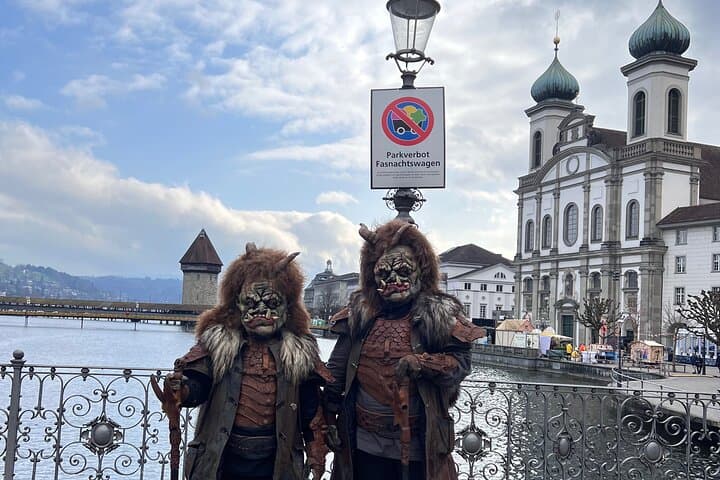
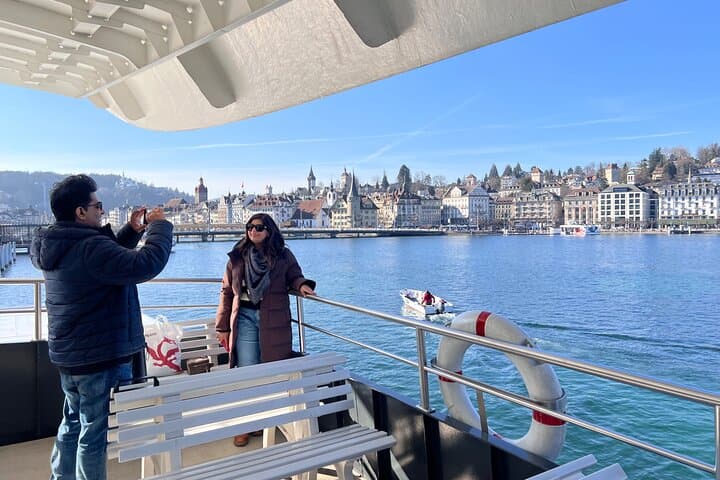
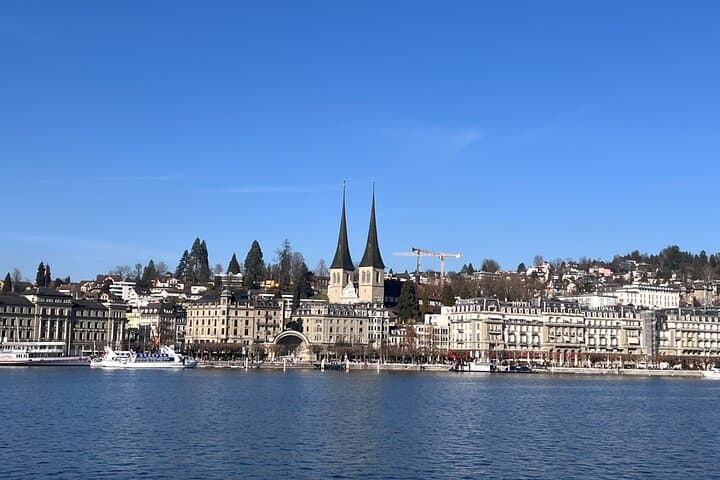
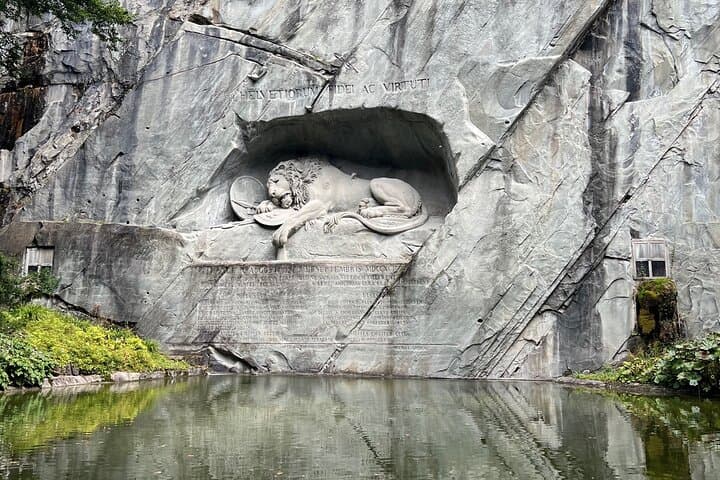
Morning light pries open between church spires as a small group threads through Lucerne’s Old Town, the Reuss River next to them and the Chapel Bridge’s painted rafters sliding into view. The guide pauses beneath a carved stone lion, and the city’s layered past—medieval guilds, baroque churches, and 19th‑century tourism—unfolds in concise chapters.
Morning light pries open between church spires as a small group threads through Lucerne’s Old Town, the Reuss River next to them and the Chapel Bridge’s painted rafters sliding into view. The guide pauses beneath a carved stone lion, and the city’s layered past—medieval guilds, baroque churches, and 19th‑century tourism—unfolds in concise chapters.
Lucerne grew at a river crossing, its wealth derived from trade routes across alpine passes; the Chapel Bridge (14th century) and the Jesuit Church (early Swiss baroque) show how faith and commerce shaped the streets. The underlying geology—glacially sculpted valleys and moraine-fed lakes—gives the city its lakeshore promenade and nearby mountain silhouettes visible from Sternplatz.
Cultural notes arrive as practical tips: local food includes Luzerner Chügelipastete and fresh alpine cheeses, markets shift by season, and festivals like the Lucerne Festival animate the summer calendar. Hidden alleys reveal frescoed facades and quiet courtyards where residents still hang laundry and chat.
The tour moves at a relaxed pace—roughly 2–3 hours—suitable for most walkers, with frequent photo stops and accessible routes, though some cobblestone sections require steady footing. Bring layers against river breeze, comfortable shoes for uneven paving, and time to linger at a café after the route ends at the Monopol entrance. For first-time visitors, this walk is an efficient orientation: it situates you in history, points to local tastes and timings, and hands you the insider notes to explore Lucerne on your own.