THE ADVENTURE COLLECTIVE® · Independent discovery and booking for outdoor travel

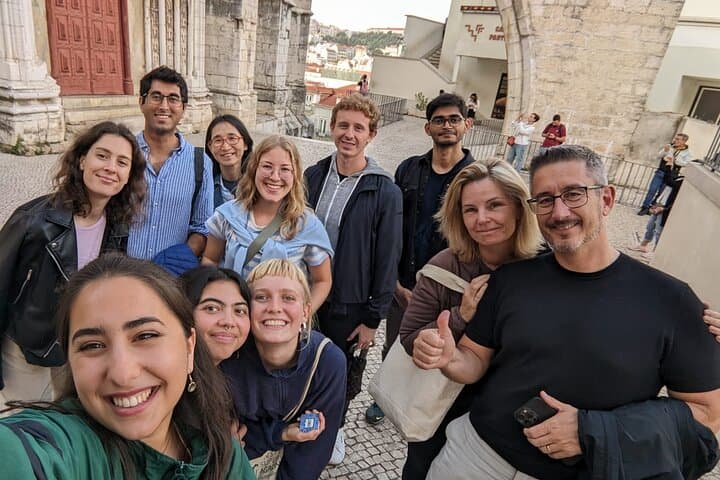
Trace three millennia of history on foot through Lisbon’s downtown, from Rossio Square to the art district and Convento do Carmo. This guided walk mixes archaeology, earthquake-era urban planning and local culture with practical stops and local tips.
Trace three millennia of history on foot through Lisbon’s downtown, from Rossio Square to the art district and Convento do Carmo. This guided walk mixes archaeology, earthquake-era urban planning and local culture with practical stops and local tips.
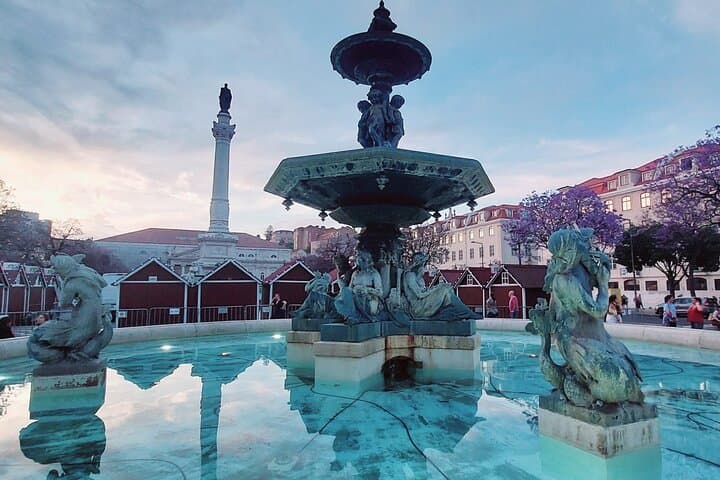
Morning light slices across Rossio Square as trams clack and the Tagus River leans forward, daring you to trace Lisbon’s layered coastline. Stand where merchants, conquerors and survivors first met the sea; cobbled patterns underfoot and azulejo facades rising like pages in a city-wide chronicle.
Verified experiences and guided adventures in the surrounding area.
Operated by Vibrant City Tours · Lisbon, Lisboa
Morning light slices across Rossio Square as trams clack and the Tagus River leans forward, daring you to trace Lisbon’s layered coastline. Stand where merchants, conquerors and survivors first met the sea; cobbled patterns underfoot and azulejo facades rising like pages in a city-wide chronicle.
Lisbon’s streets map three millennia of occupation — Phoenicians, Romans and Moors — and the city’s pivot into global history during the Age of Discoveries. The 1755 earthquake reshaped its center; the Pombaline grid and earthquake-resistant architecture are answers written in stone. Walk through the narrow alleys of the art district and you'll feel the pull of poets and revolutionaries who defined modern Portugal.
Geology here is gentle: low hills carved by the Tagus estuary with sedimentary cliffs visible further west, and terraces that give recurring vantage points. Culture is lived in small cafes, bookstores and tile workshops where Fado overhears conversations.
Practical guidance: the tour covers roughly 3–4 km over 2.5–3 hours with frequent stops; expect uneven cobbles and short stair sections. Wear sturdy walking shoes, bring a refillable water bottle, and carry a light rain layer—Lisbon’s weather can shift quickly by the river. Start early to avoid crowds and late-afternoon heat; allow time for a coffee break near Convento do Carmo. Public transport connects back to major hotels, and many sites are accessible but not all streets are stroller-friendly. Keep loose change for trams, respect local businesses, and give yourself extra time to linger at viewpoints—the city rewards slow observation and absorb history.
easy.
2–3 hours.
Suitable for most fitness levels; requires steady mobility to handle stairs and uneven paving.
Most departures begin at Rossio Square (Praça Dom Pedro IV); confirm the exact meeting point with your booking voucher.
The guided route lasts about 2.5–3 hours and covers roughly 3–4 km with multiple short stops for interpretation.
Mobile tickets are accepted; full refunds are typically available if you cancel at least 24 hours before departure per the provider policy.
Many areas are accessible, but narrow alleys and cobbles with short stair sections make parts of the route unsuitable for some wheelchairs and strollers.
Lisbon’s rebuilt downtown after the 1755 earthquake reflects the Pombaline plan—one of the earliest examples of earthquake-aware urban design.
Support low-impact tourism by using refillable bottles, staying on paved routes, and respecting historic facades and local businesses.
Vibrant City Tours operates guided outdoor trips and adventures with an emphasis on safety, stewardship, and memorable experiences.


Morning light slices across Rossio Square as trams clack and the Tagus River leans forward, daring you to trace Lisbon’s layered coastline. Stand where merchants, conquerors and survivors first met the sea; cobbled patterns underfoot and azulejo facades rising like pages in a city-wide chronicle.
Morning light slices across Rossio Square as trams clack and the Tagus River leans forward, daring you to trace Lisbon’s layered coastline. Stand where merchants, conquerors and survivors first met the sea; cobbled patterns underfoot and azulejo facades rising like pages in a city-wide chronicle.
Lisbon’s streets map three millennia of occupation — Phoenicians, Romans and Moors — and the city’s pivot into global history during the Age of Discoveries. The 1755 earthquake reshaped its center; the Pombaline grid and earthquake-resistant architecture are answers written in stone. Walk through the narrow alleys of the art district and you'll feel the pull of poets and revolutionaries who defined modern Portugal.
Geology here is gentle: low hills carved by the Tagus estuary with sedimentary cliffs visible further west, and terraces that give recurring vantage points. Culture is lived in small cafes, bookstores and tile workshops where Fado overhears conversations.
Practical guidance: the tour covers roughly 3–4 km over 2.5–3 hours with frequent stops; expect uneven cobbles and short stair sections. Wear sturdy walking shoes, bring a refillable water bottle, and carry a light rain layer—Lisbon’s weather can shift quickly by the river. Start early to avoid crowds and late-afternoon heat; allow time for a coffee break near Convento do Carmo. Public transport connects back to major hotels, and many sites are accessible but not all streets are stroller-friendly. Keep loose change for trams, respect local businesses, and give yourself extra time to linger at viewpoints—the city rewards slow observation and absorb history.