THE ADVENTURE COLLECTIVE® · Independent discovery and booking for outdoor travel

A 90‑minute dark-tour of Walker’s Point that follows the blocks where Jeffrey Dahmer operated. Expect flat, accessible streets, graphic historical detail, and a sobering look at a difficult chapter in Milwaukee’s past.
A 90‑minute dark-tour of Walker’s Point that follows the blocks where Jeffrey Dahmer operated. Expect flat, accessible streets, graphic historical detail, and a sobering look at a difficult chapter in Milwaukee’s past.
You step off a commercial corridor into the flat, brick-lined streets of Walker’s Point and the city seems to watch you back—the Milwaukee River glints like a silent witness, streets remembering footsteps from decades past.
Verified experiences and guided adventures in the surrounding area.
Operated by Shakers Cigar Bar · Milwaukee, Wisconsin
You step off a commercial corridor into the flat, brick-lined streets of Walker’s Point and the city seems to watch you back—the Milwaukee River glints like a silent witness, streets remembering footsteps from decades past.
This 90-minute walking tour follows the exact blocks where Jeffrey Dahmer met many victims in the 1980s. The narrative moves between addresses, bars and storefronts, and in doing so it overlays local history: Milwaukee’s growth as an industrial port, waves of immigrant neighborhoods, and the social fabric of late-20th-century urban life that shaped both predator and prey. Geologically the area sits on the glacial plain above Lake Michigan; the streets are level, the views horizontal and unvarnished.
Culturally, the tour intersects with Walker’s Point’s contemporary identity—small breweries, Hispanic-owned eateries, and artist-run spaces that reclaimed the neighborhood after industrial decline. Guides frame the story with psychological and criminal-justice context rather than sensationalism, but visitors should expect graphic details; this is dark-tourism presented with documentary intent.
Practical guidance: bring comfortable closed-toe shoes, a weatherproof layer and a charged phone for navigation. The route is mostly flat and fully accessible, but the material discussed can be emotionally heavy—plan for decompression time afterward and avoid visiting with very young children. Tours run rain or shine; check start time and meeting point at the host stand before you go. Walkers Point offers nearby cafés and transit links, making this a compact, urban history walk for those prepared to confront difficult parts of the city’s past.
easy.
1.5 hours.
Light walking fitness; able to be on your feet for ~90 minutes with short stops
No — the material includes graphic descriptions of violent crimes and is not recommended for young children.
Yes — the tour is described as wheelchair accessible and runs on mostly flat, paved streets; contact the operator ahead of time for accommodations.
The tour lasts about 90 minutes and begins at the host stand (check-in location provided at booking). Arrive 10–15 minutes early to register.
Generally yes for public streets, but be respectful of private property, memorials, and other guests; ask the guide if unsure.
Walker’s Point grew as a working-class, immigrant neighborhood and industrial hub on the edge of Lake Michigan; the tour situates Dahmer’s crimes within that late-20th-century urban context.
Respect the residential neighborhood—stay on public sidewalks, avoid photographing private homes up close, and leave no trace when stopping for breaks.
Shakers Cigar Bar operates guided outdoor trips and adventures with an emphasis on safety, stewardship, and memorable experiences.



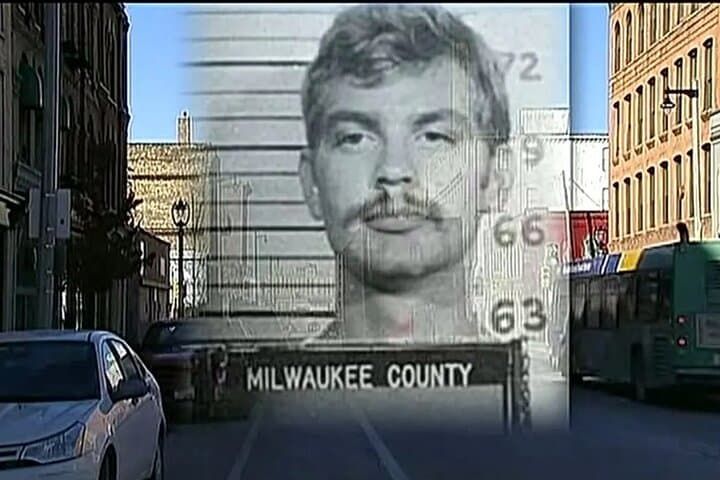
You step off a commercial corridor into the flat, brick-lined streets of Walker’s Point and the city seems to watch you back—the Milwaukee River glints like a silent witness, streets remembering footsteps from decades past.
You step off a commercial corridor into the flat, brick-lined streets of Walker’s Point and the city seems to watch you back—the Milwaukee River glints like a silent witness, streets remembering footsteps from decades past.
This 90-minute walking tour follows the exact blocks where Jeffrey Dahmer met many victims in the 1980s. The narrative moves between addresses, bars and storefronts, and in doing so it overlays local history: Milwaukee’s growth as an industrial port, waves of immigrant neighborhoods, and the social fabric of late-20th-century urban life that shaped both predator and prey. Geologically the area sits on the glacial plain above Lake Michigan; the streets are level, the views horizontal and unvarnished.
Culturally, the tour intersects with Walker’s Point’s contemporary identity—small breweries, Hispanic-owned eateries, and artist-run spaces that reclaimed the neighborhood after industrial decline. Guides frame the story with psychological and criminal-justice context rather than sensationalism, but visitors should expect graphic details; this is dark-tourism presented with documentary intent.
Practical guidance: bring comfortable closed-toe shoes, a weatherproof layer and a charged phone for navigation. The route is mostly flat and fully accessible, but the material discussed can be emotionally heavy—plan for decompression time afterward and avoid visiting with very young children. Tours run rain or shine; check start time and meeting point at the host stand before you go. Walkers Point offers nearby cafés and transit links, making this a compact, urban history walk for those prepared to confront difficult parts of the city’s past.