THE ADVENTURE COLLECTIVE® · Independent discovery and booking for outdoor travel

Walk Dresden’s Old Town to the modest memorial tied to Kurt Vonnegut Jr. — a two-hour, accessible tour that blends biography, wartime history, and local reflection. Expect close-in urban walking and thoughtful discussion rather than a large museum experience.
Walk Dresden’s Old Town to the modest memorial tied to Kurt Vonnegut Jr. — a two-hour, accessible tour that blends biography, wartime history, and local reflection. Expect close-in urban walking and thoughtful discussion rather than a large museum experience.
You step from a baroque avenue into a city that keeps its scars in plain sight: Dresden’s compact Old Town, the Yenidze’s brick chimney slicing the sky, and the Elbe moving past like a slow, watchful witness. The tour threads these landmarks toward a small, quiet memorial wall marking the site tied to Kurt Vonnegut Jr., who survived Dresden’s February 13, 1945 firebombing as a POW.
Verified experiences and guided adventures in the surrounding area.
Operated by Nightwalk Dresden · Dresden, Saxony
You step from a baroque avenue into a city that keeps its scars in plain sight: Dresden’s compact Old Town, the Yenidze’s brick chimney slicing the sky, and the Elbe moving past like a slow, watchful witness. The tour threads these landmarks toward a small, quiet memorial wall marking the site tied to Kurt Vonnegut Jr., who survived Dresden’s February 13, 1945 firebombing as a POW.
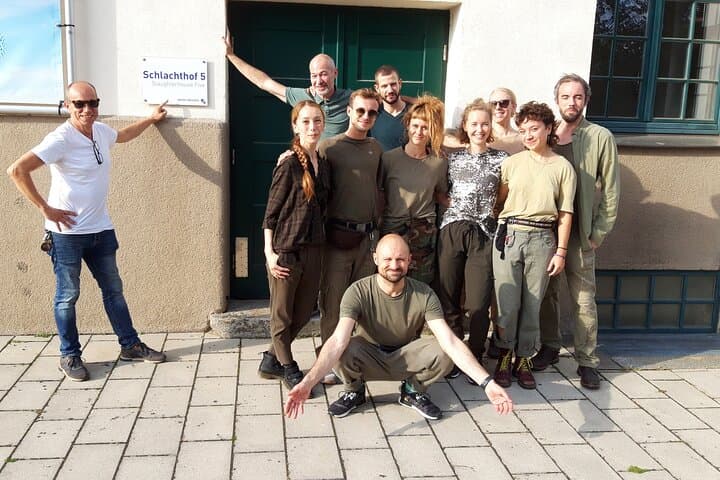
The route traces layers of history — 18th-century urban planning under August the Strong, the industrial footprints of 19th-century slaughterhouses, and the brutal imprint of World War II. Vonnegut’s Slaughterhouse No. 5 references that survival and prompts frank discussions about civilian suffering, military strategy, and how collective memory is shaped in postwar Germany.
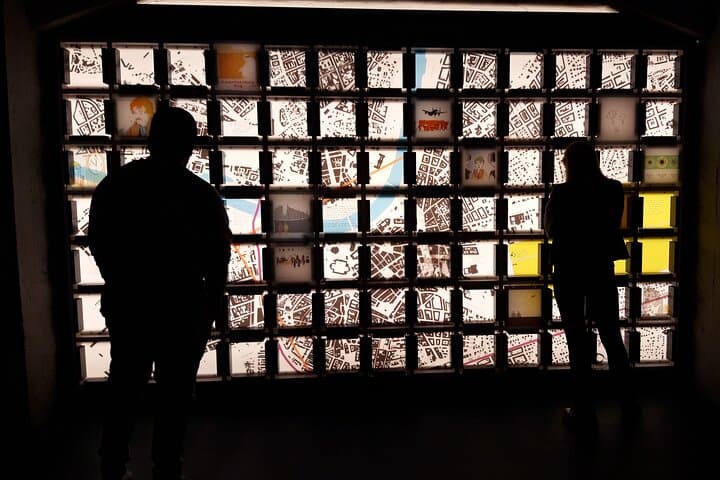
Expect compact streets, pavement and tram crossings, and a calm memorial space rather than a large museum. Guides combine biographical context with maps of the raid’s progression and readable fragments of local wartime history. Cultural notes touch on Dresden’s rebuilding after 1945 and contemporary debates about remembrance and responsibility.
Practical guidance: the walk is accessible and low-impact — plan two hours, wear comfortable shoes for urban walking, and bring a layered jacket for variable weather. Photography is normal, but the tone is respectful; this is a site of loss and reflection. Public transport drops you close to the Old Town; small-group sizes keep the conversation focused. If you want deeper archival detail, follow up with Dresden’s Military History Museum or the Stadtmuseum for documents and exhibits that expand what you see on the street.
easy.
2 hours.
Suitable for most fitness levels; involves walking on flat urban terrain for about 1.5–2 km.
The guided tour runs about two hours and covers the Old Town and the memorial site connected to Vonnegut’s experience.
Yes — the route and transportation options are listed as wheelchair accessible, though some historic paving can be uneven.
Yes — the tour includes an overview of the February 13, 1945 air raid and its local impact, balanced with discussion of broader political context.
The tour is fact-based and suitable for older children and teens, but material about wartime suffering may be distressing for very young children.
Dresden was heavily bombed on February 13–14, 1945; Vonnegut survived as a POW housed in a slaughterhouse cellar, which inspired "Slaughterhouse-Five."
The city balances preservation of historic structures with floodplain restoration along the Elbe; visitors are encouraged to stick to paths and avoid graffiti or placing objects on memorials.
Nightwalk Dresden operates guided outdoor trips and adventures with an emphasis on safety, stewardship, and memorable experiences.


You step from a baroque avenue into a city that keeps its scars in plain sight: Dresden’s compact Old Town, the Yenidze’s brick chimney slicing the sky, and the Elbe moving past like a slow, watchful witness. The tour threads these landmarks toward a small, quiet memorial wall marking the site tied to Kurt Vonnegut Jr., who survived Dresden’s February 13, 1945 firebombing as a POW.
You step from a baroque avenue into a city that keeps its scars in plain sight: Dresden’s compact Old Town, the Yenidze’s brick chimney slicing the sky, and the Elbe moving past like a slow, watchful witness. The tour threads these landmarks toward a small, quiet memorial wall marking the site tied to Kurt Vonnegut Jr., who survived Dresden’s February 13, 1945 firebombing as a POW.
The route traces layers of history — 18th-century urban planning under August the Strong, the industrial footprints of 19th-century slaughterhouses, and the brutal imprint of World War II. Vonnegut’s Slaughterhouse No. 5 references that survival and prompts frank discussions about civilian suffering, military strategy, and how collective memory is shaped in postwar Germany.
Expect compact streets, pavement and tram crossings, and a calm memorial space rather than a large museum. Guides combine biographical context with maps of the raid’s progression and readable fragments of local wartime history. Cultural notes touch on Dresden’s rebuilding after 1945 and contemporary debates about remembrance and responsibility.
Practical guidance: the walk is accessible and low-impact — plan two hours, wear comfortable shoes for urban walking, and bring a layered jacket for variable weather. Photography is normal, but the tone is respectful; this is a site of loss and reflection. Public transport drops you close to the Old Town; small-group sizes keep the conversation focused. If you want deeper archival detail, follow up with Dresden’s Military History Museum or the Stadtmuseum for documents and exhibits that expand what you see on the street.