THE ADVENTURE COLLECTIVE® · Independent discovery and booking for outdoor travel

Spend 90 minutes with a local guide tracing St. Augustine’s layered past: Spanish founding, colonial conflict, and the Flagler-era revival. The small-group walk focuses on people and places — from the Castillo’s coquina walls to the Bridge of Lions — with practical tips for comfort and timing.
Spend 90 minutes with a local guide tracing St. Augustine’s layered past: Spanish founding, colonial conflict, and the Flagler-era revival. The small-group walk focuses on people and places — from the Castillo’s coquina walls to the Bridge of Lions — with practical tips for comfort and timing.
You step onto warm coquina sidewalks as the guide, in a purple shirt, opens a story that stretches back to 1565. The Fountain by the Lightner Museum marks the start; behind it, brick streets curve past Spanish-era plazas, the Bridge of Lions leans over tidal water, and the stone face of Castillo de San Marcos keeps watch like an old guardian.
Verified experiences and guided adventures in the surrounding area.
Operated by Spyglass Tours · St. Augustine, Florida
You step onto warm coquina sidewalks as the guide, in a purple shirt, opens a story that stretches back to 1565. The Fountain by the Lightner Museum marks the start; behind it, brick streets curve past Spanish-era plazas, the Bridge of Lions leans over tidal water, and the stone face of Castillo de San Marcos keeps watch like an old guardian.
St. Augustine's built environment reads like a layered map of colonial rivalry and Gilded Age ambition — Spanish military planning, British and American periods, and Henry Flagler's railroad-driven renaissance. Geology here matters: coquina shell rock walls, reclaimed marshes and a low Atlantic coastline shaped settlement patterns and later preservation challenges.
Culturally the city blends Spanish, Indigenous, African American, and Victorian influences; the tour focuses on the people and events behind the facades rather than just postcard viewpoints. Guides lead small groups, share archival anecdotes, and pause at the old city wall, the first Catholic cemetery, and Flagler’s churches and hotels.
Practical guidance: the tour is 90 minutes, mostly flat pavement and historic steps—comfortable shoes are essential. Bring sun protection and water in summer; arrive 10 minutes early to find the fountain meeting point and spot the purple-shirted guide. Photography is welcome but be mindful of private property and quiet moments at cemeteries and memorials.
This walk is accessible for most visitors and delivers concentrated local history in a compact, pedestrian-friendly downtown. It’s an efficient way to orient yourself to St. Augustine before deeper museum or fort explorations.
easy.
1.5 hours.
Suitable for most fitness levels; requires standing and walking on paved and cobbled surfaces for 90 minutes.
The guided tour lasts approximately 90 minutes and begins at the Fountain in front of the Lightner Museum; the guide will wear a purple shirt.
Yes — the operator lists wheelchair and stroller accessibility; contact the provider ahead of time with special requirements.
No — the tour covers exterior history and stories; any museum or Castillo de San Marcos admission is separate.
The tour may be canceled for bad weather; for a full refund cancel at least 24 hours before the departure time according to the policy.
Founded by Spanish settlers in 1565, St. Augustine became a strategic colonial outpost; the Castillo de San Marcos (late 17th century) remains the oldest masonry fort in the continental U.S.
Ongoing preservation focuses on maintaining historic masonry and managing coastal erosion and flooding risks; visitors are asked to respect fragile structures and limit wear on old sidewalks and walls.
Spyglass Tours operates guided outdoor trips and adventures with an emphasis on safety, stewardship, and memorable experiences.
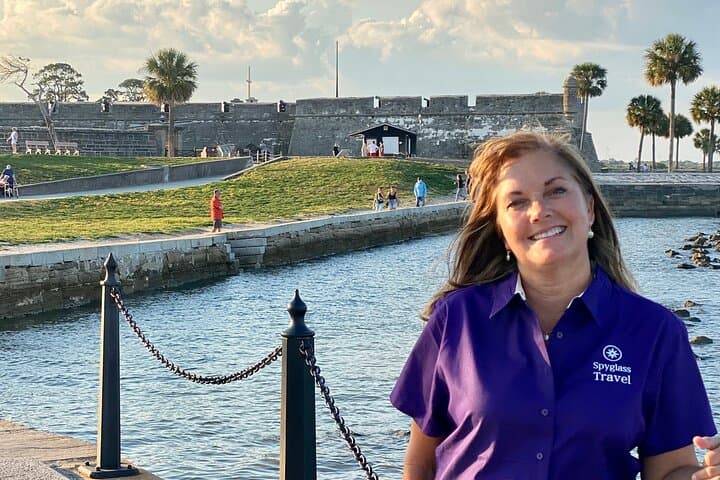
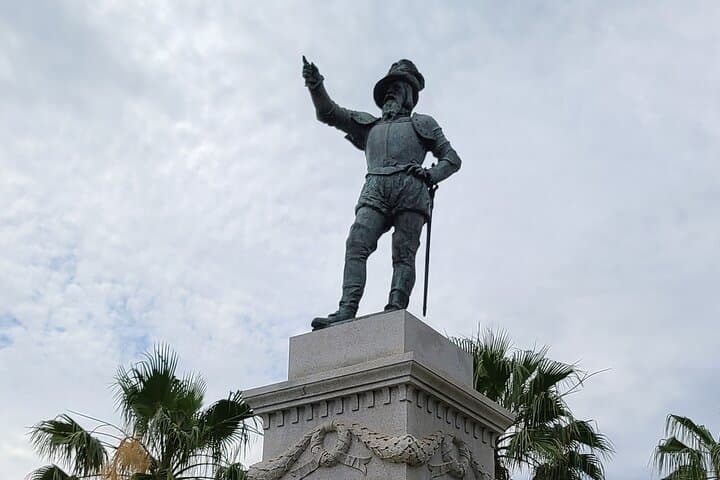
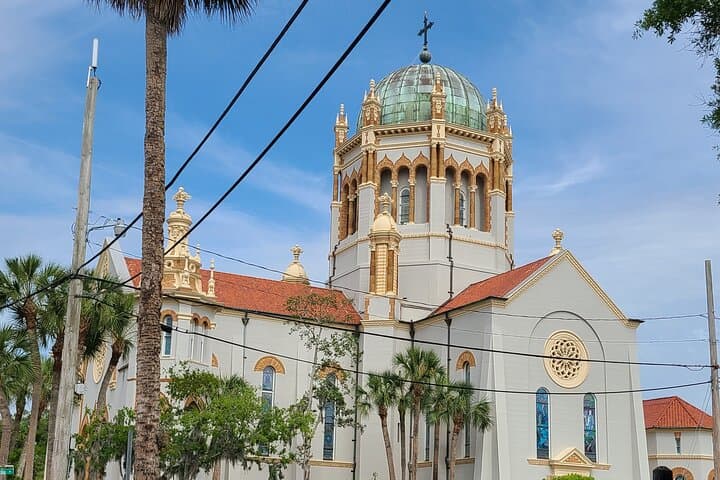
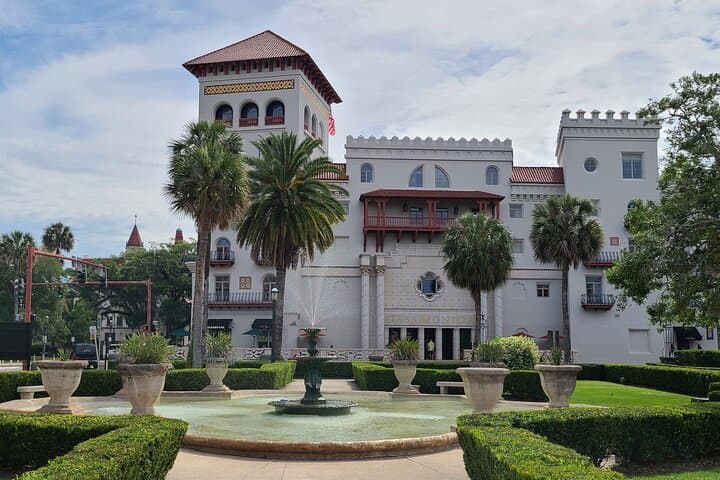
You step onto warm coquina sidewalks as the guide, in a purple shirt, opens a story that stretches back to 1565. The Fountain by the Lightner Museum marks the start; behind it, brick streets curve past Spanish-era plazas, the Bridge of Lions leans over tidal water, and the stone face of Castillo de San Marcos keeps watch like an old guardian.
You step onto warm coquina sidewalks as the guide, in a purple shirt, opens a story that stretches back to 1565. The Fountain by the Lightner Museum marks the start; behind it, brick streets curve past Spanish-era plazas, the Bridge of Lions leans over tidal water, and the stone face of Castillo de San Marcos keeps watch like an old guardian.
St. Augustine's built environment reads like a layered map of colonial rivalry and Gilded Age ambition — Spanish military planning, British and American periods, and Henry Flagler's railroad-driven renaissance. Geology here matters: coquina shell rock walls, reclaimed marshes and a low Atlantic coastline shaped settlement patterns and later preservation challenges.
Culturally the city blends Spanish, Indigenous, African American, and Victorian influences; the tour focuses on the people and events behind the facades rather than just postcard viewpoints. Guides lead small groups, share archival anecdotes, and pause at the old city wall, the first Catholic cemetery, and Flagler’s churches and hotels.
Practical guidance: the tour is 90 minutes, mostly flat pavement and historic steps—comfortable shoes are essential. Bring sun protection and water in summer; arrive 10 minutes early to find the fountain meeting point and spot the purple-shirted guide. Photography is welcome but be mindful of private property and quiet moments at cemeteries and memorials.
This walk is accessible for most visitors and delivers concentrated local history in a compact, pedestrian-friendly downtown. It’s an efficient way to orient yourself to St. Augustine before deeper museum or fort explorations.