THE ADVENTURE COLLECTIVE® · Independent discovery and booking for outdoor travel

Walk Hebron’s historic alleys with a local guide to visit the Ibrahimi Mosque/Cave of the Patriarchs, the Old City souk, and both H1 and H2 sectors. This 2–3 hour tour combines history, contemporary context, and a traditional Palestinian lunch.
Walk Hebron’s historic alleys with a local guide to visit the Ibrahimi Mosque/Cave of the Patriarchs, the Old City souk, and both H1 and H2 sectors. This 2–3 hour tour combines history, contemporary context, and a traditional Palestinian lunch.
You step from the bustle of a modern road into alleys that remember millennia: stone thresholds worn smooth, vendors arranging glassware under narrow shafts of sunlight, and the call to prayer threading through the air. The Hebron City Tour moves at a measured walking pace, ferrying you between the Palestinian-controlled H1 quarter and the Israeli military–controlled H2 sector, with the Ibrahimi Mosque/Cave of the Patriarchs as an anchor point of faith and history.
Verified experiences and guided adventures in the surrounding area.
Operated by Hebron Hope Tours · Hebron, Hebron Governorate
You step from the bustle of a modern road into alleys that remember millennia: stone thresholds worn smooth, vendors arranging glassware under narrow shafts of sunlight, and the call to prayer threading through the air. The Hebron City Tour moves at a measured walking pace, ferrying you between the Palestinian-controlled H1 quarter and the Israeli military–controlled H2 sector, with the Ibrahimi Mosque/Cave of the Patriarchs as an anchor point of faith and history.
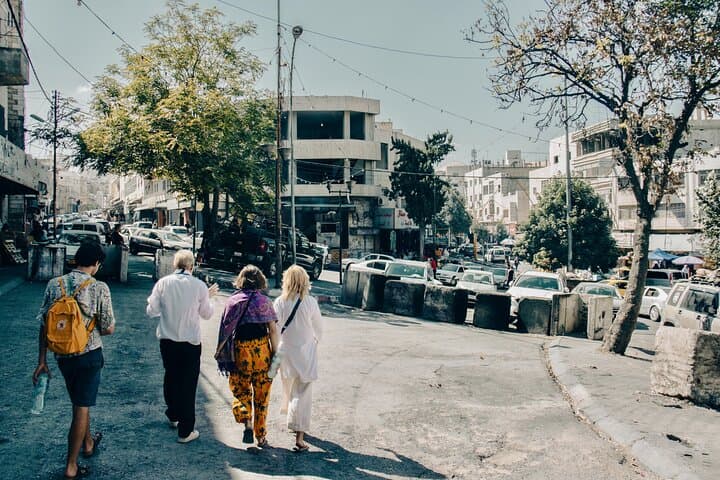
Hebron is one of the Levant’s oldest continuously inhabited cities; its limestone bedrock and surrounding hills have shaped settlement patterns and human movement for thousands of years. The city’s modern geography is inseparable from 20th‑ and 21st‑century politics: checkpoints, segregated streets, and settlements punctuate daily life and the tour emphasizes context from the Oslo era to the present.
Culturally, expect shopfronts selling ceramic and glassware, strong Arabic coffee, and a chance to sample simple home-cooked Palestinian dishes. Guides typically show the city’s market, explain the significance of the cave complex, and point out how urban planning, religion, and history intersect here.
Practical guidance: wear sturdy walking shoes for uneven stone, carry ID (checkpoints are frequent), and allow 2–3 hours. Photography restrictions apply at some religious sites and checkpoints; follow your guide’s directions. The tour provides on-the-ground perspective rather than a detached lecture—arrive curious, prepared for close-up observation, and ready to walk through a living city shaped by deep history and present-day reality.
moderate.
2–3 hours.
Moderate fitness: able to walk on uneven surfaces for several hours and negotiate short stair sections.
The tour operates in both H1 and H2 with an experienced local guide; follow their instructions around checkpoints and military areas—situations can change, and guides prioritize guest safety.
Photography rules vary by area and religious practice—your guide will advise where photos are permitted and when to refrain.
Meeting and end points are typically in central Hebron; the operator confirms the exact meeting location when booking—public transportation is available nearby.
Children can participate but the route includes uneven surfaces and checkpoint navigation; limited mobility travelers should contact the operator in advance to discuss accommodations.
Hebron is an ancient urban center tied to Abrahamic traditions; the Cave of the Patriarchs is a focal point for Jewish and Muslim heritage, and the city’s modern division into H1 and H2 stems from post-Oslo security arrangements.
Visitors are encouraged to support local businesses and minimize waste; respect holy sites and avoid crowding to reduce strain on fragile historic fabric.
Hebron Hope Tours operates guided outdoor trips and adventures with an emphasis on safety, stewardship, and memorable experiences.
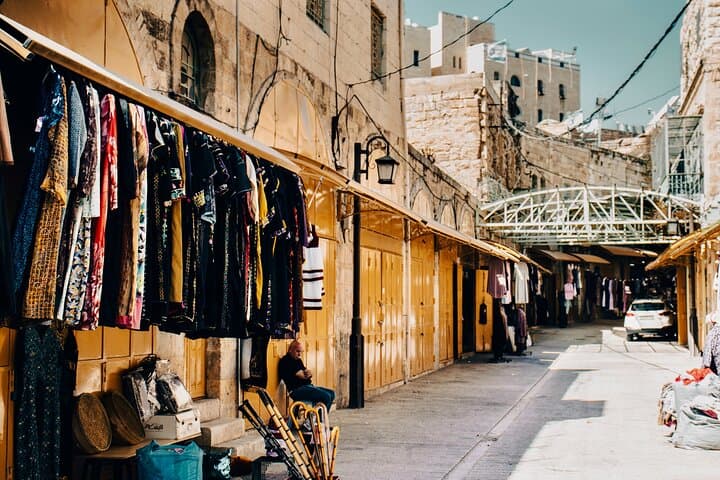
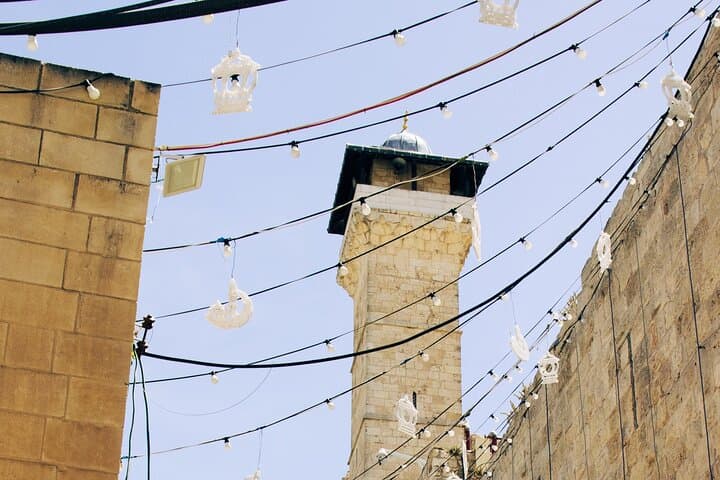
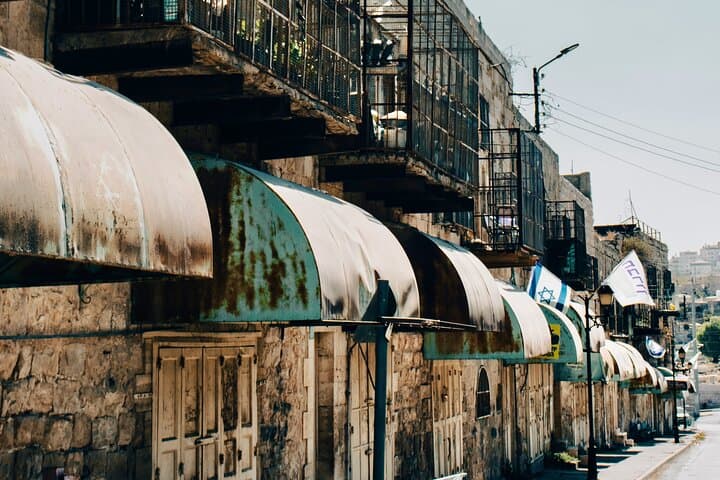
You step from the bustle of a modern road into alleys that remember millennia: stone thresholds worn smooth, vendors arranging glassware under narrow shafts of sunlight, and the call to prayer threading through the air. The Hebron City Tour moves at a measured walking pace, ferrying you between the Palestinian-controlled H1 quarter and the Israeli military–controlled H2 sector, with the Ibrahimi Mosque/Cave of the Patriarchs as an anchor point of faith and history.
You step from the bustle of a modern road into alleys that remember millennia: stone thresholds worn smooth, vendors arranging glassware under narrow shafts of sunlight, and the call to prayer threading through the air. The Hebron City Tour moves at a measured walking pace, ferrying you between the Palestinian-controlled H1 quarter and the Israeli military–controlled H2 sector, with the Ibrahimi Mosque/Cave of the Patriarchs as an anchor point of faith and history.
Hebron is one of the Levant’s oldest continuously inhabited cities; its limestone bedrock and surrounding hills have shaped settlement patterns and human movement for thousands of years. The city’s modern geography is inseparable from 20th‑ and 21st‑century politics: checkpoints, segregated streets, and settlements punctuate daily life and the tour emphasizes context from the Oslo era to the present.
Culturally, expect shopfronts selling ceramic and glassware, strong Arabic coffee, and a chance to sample simple home-cooked Palestinian dishes. Guides typically show the city’s market, explain the significance of the cave complex, and point out how urban planning, religion, and history intersect here.
Practical guidance: wear sturdy walking shoes for uneven stone, carry ID (checkpoints are frequent), and allow 2–3 hours. Photography restrictions apply at some religious sites and checkpoints; follow your guide’s directions. The tour provides on-the-ground perspective rather than a detached lecture—arrive curious, prepared for close-up observation, and ready to walk through a living city shaped by deep history and present-day reality.