THE ADVENTURE COLLECTIVE® · Independent discovery and booking for outdoor travel

Walk the streets Alexander Hamilton walked on a focused 3‑hour Lower Manhattan tour that links Revolutionary battlegrounds to the rise of modern finance. Expect short, interpretive stops at Battery Park, Trinity Churchyard and Wall Street's financial core.
Walk the streets Alexander Hamilton walked on a focused 3‑hour Lower Manhattan tour that links Revolutionary battlegrounds to the rise of modern finance. Expect short, interpretive stops at Battery Park, Trinity Churchyard and Wall Street's financial core.
The tour begins at the second floor of the Staten Island Ferry terminal, where the city smells of salt and diesel and the East River seems to dare pedestrians to cross. Guides move a steady pace through narrow streets, turning corners that still bear the rhythms of 18th‑century New York beneath modern glass and granite.
Verified experiences and guided adventures in the surrounding area.
Operated by Hamilton's New York · New York, NY
The tour begins at the second floor of the Staten Island Ferry terminal, where the city smells of salt and diesel and the East River seems to dare pedestrians to cross. Guides move a steady pace through narrow streets, turning corners that still bear the rhythms of 18th‑century New York beneath modern glass and granite.
This three‑hour walk threads Battery Park, early Revolutionary battleground sites, Trinity Churchyard and the compact concrete canyons of Wall Street. It traces Alexander Hamilton’s arc from immigrant artillery captain to the nation’s first Treasury architect — a story told against Manhattan’s geology of Manhattan schist and reclaimed land that shaped where ports, forts and banks rose.
Along the way, the guide points out vestiges of colonial street grids, mercantile buildings, and Fraunces Tavern, where politics and tavern culture intersected. The narrative links Hamilton’s banking reforms to the physical infrastructure he helped create: docks, customs houses and financial institutions that made New York the capital of American commerce.
Practically, expect 1–1.5 miles of mostly paved walking with frequent stops for explanation and a brief restroom break. Wear supportive shoes and dress for sun or wind coming off the water; much of the route is exposed. Public transit access is excellent; the meeting point at Whitehall Terminal is served by subways and ferries. The tour is accessible and suitable for most fitness levels, but it moves on a schedule — arrive early and bring a refillable water bottle. Bring curiosity: the city’s architecture tells as much of Hamilton’s story as the words do.
easy.
3 hours.
Suitable for most fitness levels; expects ability to stand and walk intermittently for up to three hours.
Meet on the second floor of the Staten Island Ferry terminal (Manhattan side) near the elevators; arrive 10–15 minutes early.
The tour lasts three hours and covers roughly 1 to 1.5 miles with multiple short stops for interpretation and a bathroom break.
Yes; the tour notes wheelchair accessibility and limited walking—check with the operator about elevator access and group size for accommodations.
No; stops like Fraunces Tavern are optional purchases at your own expense—bring water and plan a post‑tour meal if desired.
Hamilton established the financial institutions and fiscal policies that anchored the federal government in New York, shaping the city’s role as America’s financial hub.
Lower Manhattan endures heavy foot traffic; follow marked paths, avoid touching or climbing on historic fabric, and support preservation through responsible visitation.
Hamilton's New York operates guided outdoor trips and adventures with an emphasis on safety, stewardship, and memorable experiences.
The tour begins at the second floor of the Staten Island Ferry terminal, where the city smells of salt and diesel and the East River seems to dare pedestrians to cross. Guides move a steady pace through narrow streets, turning corners that still bear the rhythms of 18th‑century New York beneath modern glass and granite.
The tour begins at the second floor of the Staten Island Ferry terminal, where the city smells of salt and diesel and the East River seems to dare pedestrians to cross. Guides move a steady pace through narrow streets, turning corners that still bear the rhythms of 18th‑century New York beneath modern glass and granite.
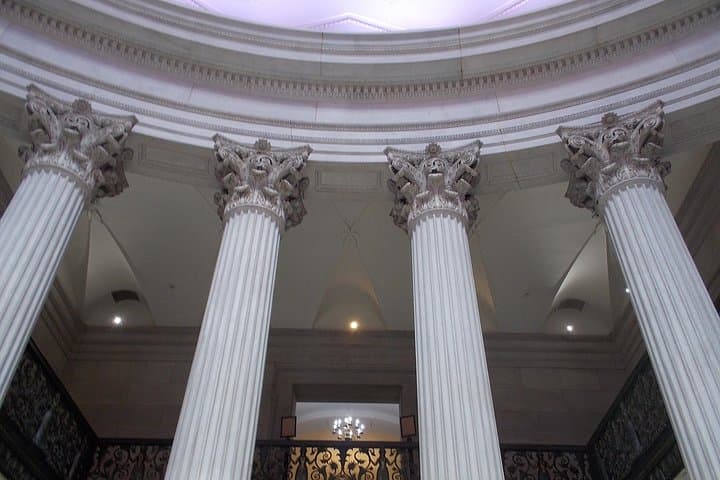
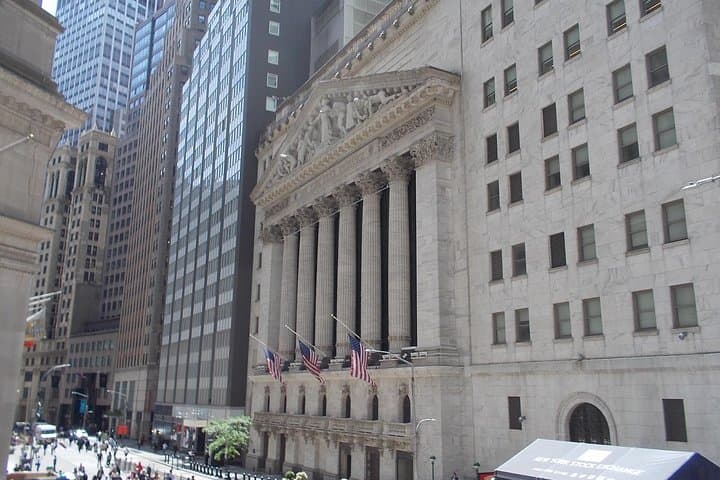
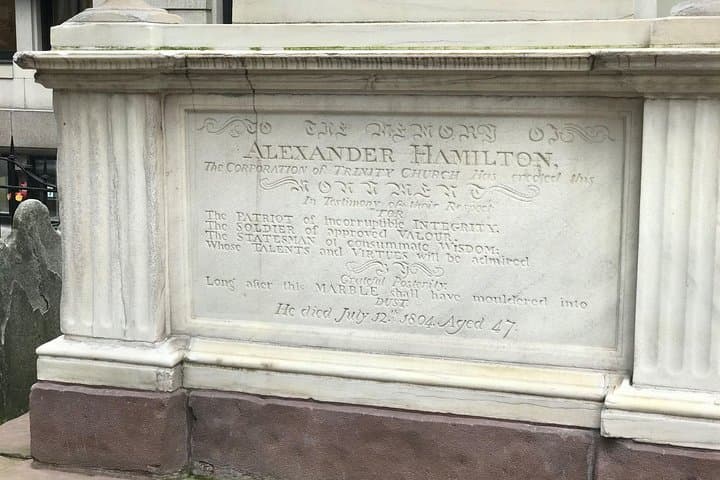
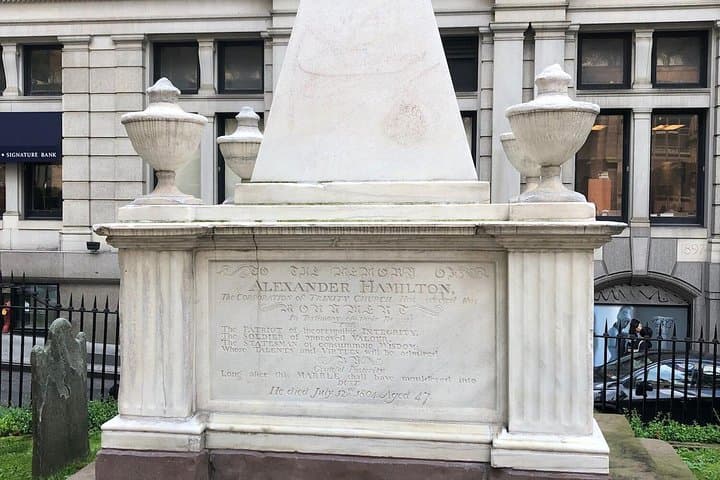
This three‑hour walk threads Battery Park, early Revolutionary battleground sites, Trinity Churchyard and the compact concrete canyons of Wall Street. It traces Alexander Hamilton’s arc from immigrant artillery captain to the nation’s first Treasury architect — a story told against Manhattan’s geology of Manhattan schist and reclaimed land that shaped where ports, forts and banks rose.
Along the way, the guide points out vestiges of colonial street grids, mercantile buildings, and Fraunces Tavern, where politics and tavern culture intersected. The narrative links Hamilton’s banking reforms to the physical infrastructure he helped create: docks, customs houses and financial institutions that made New York the capital of American commerce.
Practically, expect 1–1.5 miles of mostly paved walking with frequent stops for explanation and a brief restroom break. Wear supportive shoes and dress for sun or wind coming off the water; much of the route is exposed. Public transit access is excellent; the meeting point at Whitehall Terminal is served by subways and ferries. The tour is accessible and suitable for most fitness levels, but it moves on a schedule — arrive early and bring a refillable water bottle. Bring curiosity: the city’s architecture tells as much of Hamilton’s story as the words do.