THE ADVENTURE COLLECTIVE® · Independent discovery and booking for outdoor travel

Walk Goma’s shores, markets and monuments with a local guide who opens the city’s trade routes and cultural corners. This 4–6 hour tour is a practical introduction to life on Lake Kivu and a gateway for Virunga excursions.
Walk Goma’s shores, markets and monuments with a local guide who opens the city’s trade routes and cultural corners. This 4–6 hour tour is a practical introduction to life on Lake Kivu and a gateway for Virunga excursions.
The tour begins on the busy shoreline of Lake Kivu where ferries creak and vendors call — a sharp, colorful opening to Goma’s everyday pulse. Walking from the port toward the Virunga Central Market, you feel the city’s energy: salt on the air from the lake, motorbikes threading alleys, and children racing wooden tshukudu carts that seem to challenge gravity.
Verified experiences and guided adventures in the surrounding area.
Operated by Congo Local Guides · Goma, North Kivu
The tour begins on the busy shoreline of Lake Kivu where ferries creak and vendors call — a sharp, colorful opening to Goma’s everyday pulse. Walking from the port toward the Virunga Central Market, you feel the city’s energy: salt on the air from the lake, motorbikes threading alleys, and children racing wooden tshukudu carts that seem to challenge gravity.
Goma sits on the northern edge of Lake Kivu beneath the shadow of the Virunga volcanic chain. The city’s built environment and markets reflect a long history of trade across Kivu and migration during eruption events, most famously Nyiragongo’s 2002 lava flow that reshaped neighborhoods and memory. At the Goma Museum you’ll find masks and ritual objects that map cultural diversity across Congo’s many groups; at Kituku market, fishermen mend nets and sell sambaza like a chapter from the region’s fisheries economy.
Expect 4–6 hours of mostly flat walking on paved streets, market alleys, and a short climb to the Turunga rock for wide views of the lake and the city’s lava-scarred edges. Guides lead local interactions — bargaining for textiles, sampling sombe and ugali, and visiting a small chocolate workshop to taste single-origin Congolese cocoa.
Practical notes: carry water and small local currency, wear sturdy closed-toe shoes for market rubble, and schedule morning departures to avoid the hottest trading hours. Photography is welcomed but ask before shooting people. The walk is a practical, immersive primer for anyone heading on to Virunga National Park or Nyiragongo — a city-scale introduction to the landscapes and livelihoods clustered around one of Africa’s most dynamic volcanic borders.
easy.
4–6 hours.
Suitable for all fitness levels; involves continuous walking with occasional short climbs and uneven surfaces.
No—guide fees are included, but transport during the tour is not; confirm pickup or transfers with your operator beforehand.
Yes—this city walk is commonly used as an introduction; the operator can assist with bookings and transfers to Virunga or Nyiragongo climbs.
Yes—the itinerary is rated easy and suitable for most ages, though markets and stairs at viewpoints may be crowded.
Bring Congolese francs for markets and small purchases; cards are rarely accepted at stalls and smaller restaurants.
Goma’s contemporary layout and market life were heavily influenced by Nyiragongo eruptions and decades of cross-border trade with Rwanda; the city has been a regional commerce hub for the Kivu region.
Lake Kivu and surrounding wetlands face pressures from overfishing and urban runoff; responsible tourism supports local businesses and small-scale conservation efforts.
Congo Local Guides operates guided outdoor trips and adventures with an emphasis on safety, stewardship, and memorable experiences.

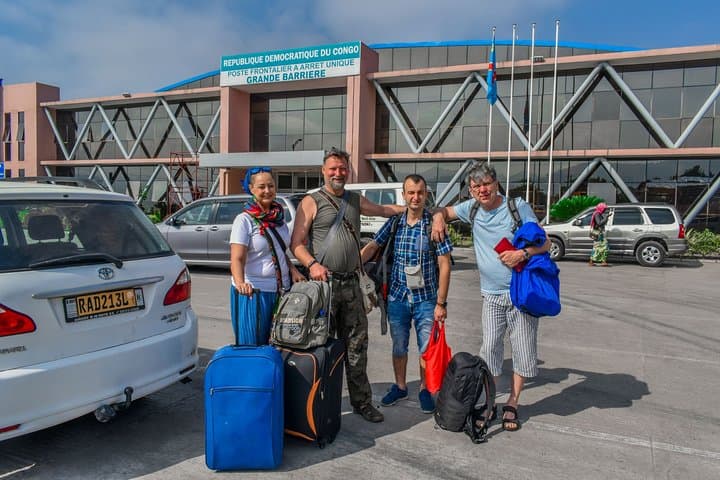


The tour begins on the busy shoreline of Lake Kivu where ferries creak and vendors call — a sharp, colorful opening to Goma’s everyday pulse. Walking from the port toward the Virunga Central Market, you feel the city’s energy: salt on the air from the lake, motorbikes threading alleys, and children racing wooden tshukudu carts that seem to challenge gravity.
The tour begins on the busy shoreline of Lake Kivu where ferries creak and vendors call — a sharp, colorful opening to Goma’s everyday pulse. Walking from the port toward the Virunga Central Market, you feel the city’s energy: salt on the air from the lake, motorbikes threading alleys, and children racing wooden tshukudu carts that seem to challenge gravity.
Goma sits on the northern edge of Lake Kivu beneath the shadow of the Virunga volcanic chain. The city’s built environment and markets reflect a long history of trade across Kivu and migration during eruption events, most famously Nyiragongo’s 2002 lava flow that reshaped neighborhoods and memory. At the Goma Museum you’ll find masks and ritual objects that map cultural diversity across Congo’s many groups; at Kituku market, fishermen mend nets and sell sambaza like a chapter from the region’s fisheries economy.
Expect 4–6 hours of mostly flat walking on paved streets, market alleys, and a short climb to the Turunga rock for wide views of the lake and the city’s lava-scarred edges. Guides lead local interactions — bargaining for textiles, sampling sombe and ugali, and visiting a small chocolate workshop to taste single-origin Congolese cocoa.
Practical notes: carry water and small local currency, wear sturdy closed-toe shoes for market rubble, and schedule morning departures to avoid the hottest trading hours. Photography is welcomed but ask before shooting people. The walk is a practical, immersive primer for anyone heading on to Virunga National Park or Nyiragongo — a city-scale introduction to the landscapes and livelihoods clustered around one of Africa’s most dynamic volcanic borders.