THE ADVENTURE COLLECTIVE® · Independent discovery and booking for outdoor travel

Walk El Moez Street with a local guide and move through Cairo's Fatimid and Mamluk history in about 2.5 hours. Expect narrow, stone‑paved streets, ornate mosques, and practical tips for timing, dress and photography.
Walk El Moez Street with a local guide and move through Cairo's Fatimid and Mamluk history in about 2.5 hours. Expect narrow, stone‑paved streets, ornate mosques, and practical tips for timing, dress and photography.
Morning spills over El Moez Street, light sliding across carved stone portals and wooden mashrabiya. Minarets puncture the skyline while shopkeepers sweep dust from brass lamps; the street moves with the measured cadence of centuries.
Verified experiences and guided adventures in the surrounding area.
Operated by NORTH AFRICAN SHIPPING AND TOURISM COMPANY (NASCO TOURS) · Cairo, Cairo Governorate
Morning spills over El Moez Street, light sliding across carved stone portals and wooden mashrabiya. Minarets puncture the skyline while shopkeepers sweep dust from brass lamps; the street moves with the measured cadence of centuries.
Walking the roughly 1.5‑kilometre spine of Islamic Cairo places you directly on streets laid out in the Fatimid era and refitted by Mamluk and Ottoman patrons. The route threads past mosques, mausoleums, sabils and madrasas whose facades—largely local limestone and reused masonry—show both decorative carving and the practical repairs of an active city. Geologically this part of Cairo rests on the Nile alluvial plain, which shaped the city's growth and the sourcing of building stone.
El Moez is less a museum piece than a lived street: the call to prayer threads through traders calling out copperware, pastry smoke rising from ovens, and rooftop terraces catching the late light. Guides point out inscriptions, restoration phases and the social uses of sabils and khans, giving context that plaques alone do not convey.
Practical guidance: expect a 2–2.5 hour walking tour over uneven stone pavements with short periods of standing and some steps. Wear sturdy shoes and modest clothing, bring water and sun protection, and plan morning or late-afternoon departures to avoid midday heat. The tour commonly includes hotel pickup in an air‑conditioned vehicle and brief indoor visits where entrance fees may apply—carry small change. Respect signs and barriers around conservation sites; low-impact behavior helps preserve fragile surfaces for future visitors.
easy.
2–2.5 hours.
Suitable for most fitness levels—requires steady walking and the ability to manage short flights of stairs and uneven pavement.
The experience runs about 2–2.5 hours total and covers roughly 1.5 kilometres of mainly pedestrianized, stone‑paved street with frequent stops for commentary.
Some visits may include admission; check the specific booking details and bring small-change cash just in case certain monuments require on-site fees.
The route is generally suitable for most ages, but it involves uneven pavements and stairs—those with mobility constraints should check accessibility or request a modified itinerary.
Conservative, breathable clothing that covers shoulders and knees is recommended for mosque visits; comfortable shoes and sun protection are advisable year-round.
El Moez Street traces its formal layout to the Fatimid period and accumulated major architectural additions and restorations under Mamluk and Ottoman patrons.
Many monuments on the street are under active preservation; visitors should avoid touching carved stone, stay on marked paths, and support local conservation by following guide instructions.
NORTH AFRICAN SHIPPING AND TOURISM COMPANY (NASCO TOURS) operates guided outdoor trips and adventures with an emphasis on safety, stewardship, and memorable experiences.
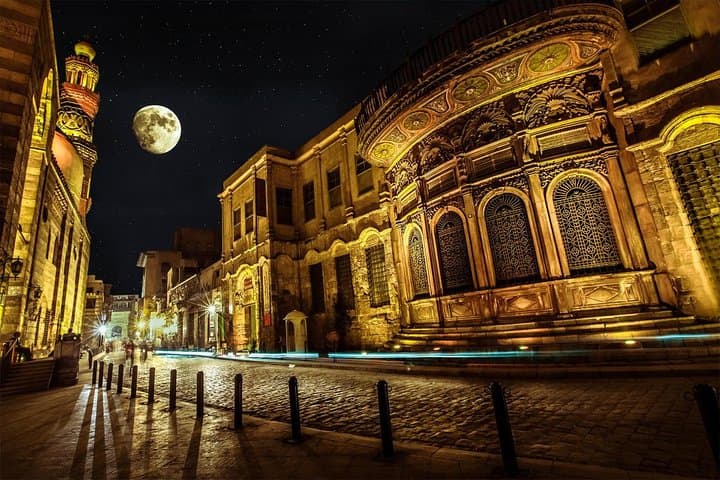
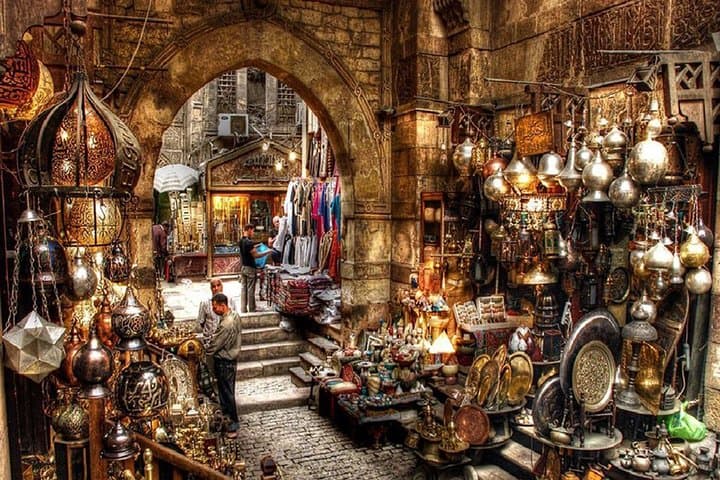
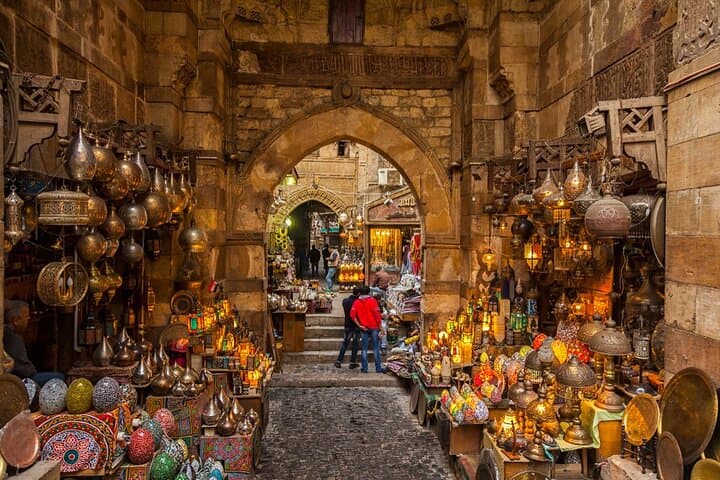
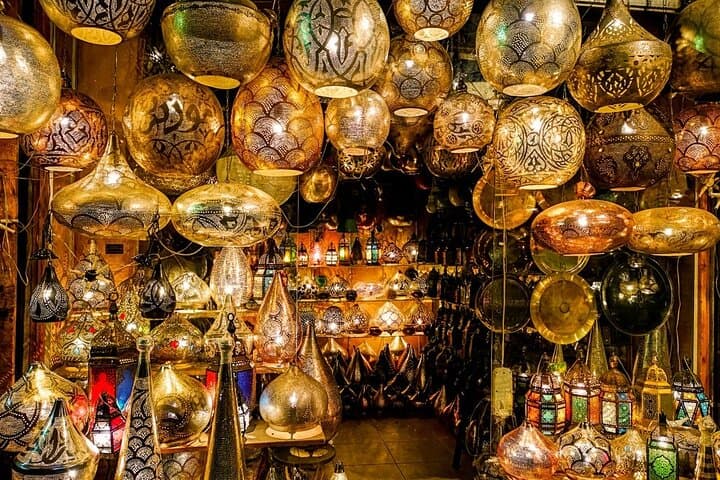
Morning spills over El Moez Street, light sliding across carved stone portals and wooden mashrabiya. Minarets puncture the skyline while shopkeepers sweep dust from brass lamps; the street moves with the measured cadence of centuries.
Morning spills over El Moez Street, light sliding across carved stone portals and wooden mashrabiya. Minarets puncture the skyline while shopkeepers sweep dust from brass lamps; the street moves with the measured cadence of centuries.
Walking the roughly 1.5‑kilometre spine of Islamic Cairo places you directly on streets laid out in the Fatimid era and refitted by Mamluk and Ottoman patrons. The route threads past mosques, mausoleums, sabils and madrasas whose facades—largely local limestone and reused masonry—show both decorative carving and the practical repairs of an active city. Geologically this part of Cairo rests on the Nile alluvial plain, which shaped the city's growth and the sourcing of building stone.
El Moez is less a museum piece than a lived street: the call to prayer threads through traders calling out copperware, pastry smoke rising from ovens, and rooftop terraces catching the late light. Guides point out inscriptions, restoration phases and the social uses of sabils and khans, giving context that plaques alone do not convey.
Practical guidance: expect a 2–2.5 hour walking tour over uneven stone pavements with short periods of standing and some steps. Wear sturdy shoes and modest clothing, bring water and sun protection, and plan morning or late-afternoon departures to avoid midday heat. The tour commonly includes hotel pickup in an air‑conditioned vehicle and brief indoor visits where entrance fees may apply—carry small change. Respect signs and barriers around conservation sites; low-impact behavior helps preserve fragile surfaces for future visitors.