THE ADVENTURE COLLECTIVE® · Independent discovery and booking for outdoor travel

Walk Dharavi with a local guide and see the neighborhood’s dense economy, working workshops and daily life up close. This two-hour guided walk offers practical insights into Mumbai’s largest informal settlement and how residents turn scarcity into enterprise.
Walk Dharavi with a local guide and see the neighborhood’s dense economy, working workshops and daily life up close. This two-hour guided walk offers practical insights into Mumbai’s largest informal settlement and how residents turn scarcity into enterprise.
The tour begins where the city’s pulse narrows into alleys—corridors of tin, brick and focused industry where people move with practiced rhythm. A guide leads the group through laneways that open onto workshops, communal courtyards and rooftop views that frame a compact urban economy.
Verified experiences and guided adventures in the surrounding area.
Operated by Yo Tours · Mumbai, Maharashtra
The tour begins where the city’s pulse narrows into alleys—corridors of tin, brick and focused industry where people move with practiced rhythm. A guide leads the group through laneways that open onto workshops, communal courtyards and rooftop views that frame a compact urban economy.
Dharavi’s history is layered: landfills reclaimed over a century, migrant settlements that expanded with Mumbai’s industrial boom, and a dense patchwork of small-scale manufacturing — pottery, leather, recycling — that keeps much of the neighborhood humming. The geology is simple—filled marshland and reclaimed soil—but it shaped how communities built upward and close.
Culturally, Dharavi is both private and public; family life spills into workspaces and streetfronts. Local storytellers explain livelihoods, show working units, and share recommendations for community-run eateries and neighborhood cooperatives. Visitors witness efficient reuse systems — waste sorted and repurposed — and the social networks that sustain daily life.
Practically: the walk is urban and flat, about two hours, with narrow passageways and occasional crowds. Respectful behavior, modest dress and following the guide’s cues will keep interactions positive. Bring small notes for purchases and a camera only after asking permission. Timing matters — mornings are cooler and busier with trades; afternoons reveal quieter workshops.
This is a close-up urban encounter: informative, human-scaled, and immediately local. Travelers leave with a better understanding of Mumbai’s informal economy and concrete ways to support small businesses rather than cursory snapshots.
easy.
2 hours.
Suitable for most fitness levels; involves standing and walking on flat, uneven surfaces for up to two hours.
Yes; licensed local guides lead groups along established routes and tours avoid sensitive private areas—follow the guide’s instructions for the safest experience.
Photography is allowed in public spaces but always ask individuals before taking portraits or entering workspaces; guides will advise where photos are appropriate.
Children are generally welcome, but consider the narrow lanes and crowds—strollers are impractical and younger kids should stay close to adults.
Carry small cash denominations; many small businesses and vendors do not accept cards, though some may accept QR payments via phone.
Dharavi grew in the 20th century as migrants settled near Mumbai’s factories; over decades it evolved into a dense mix of homes and small-scale industry that supplies city markets.
Dharavi hosts an informal recycling economy that diverts large volumes of waste, but tourism should avoid disrupting livelihoods; choose operators who share revenue and respect privacy.
Yo Tours operates guided outdoor trips and adventures with an emphasis on safety, stewardship, and memorable experiences.
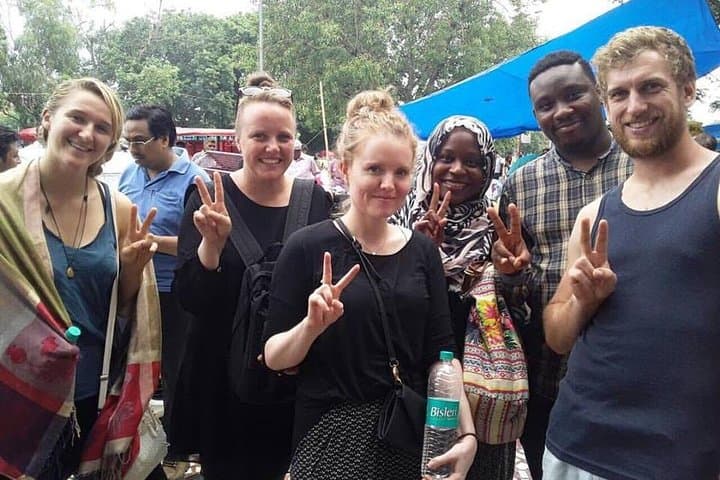
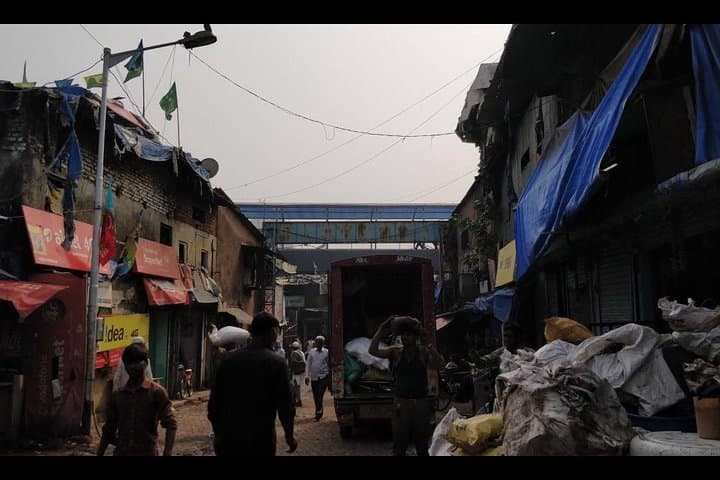
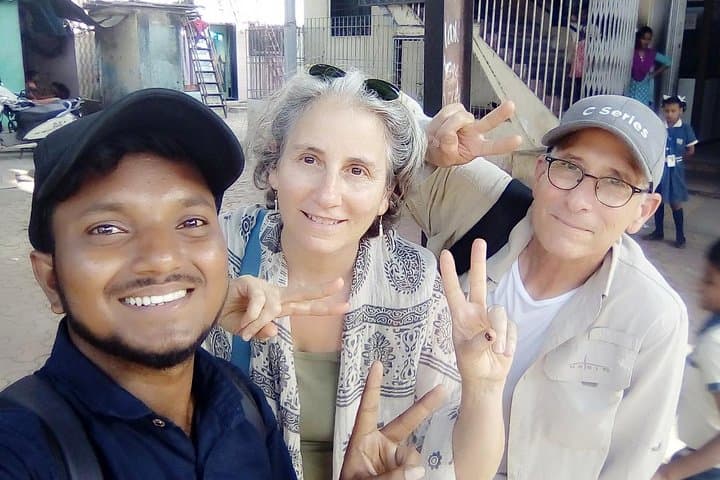
The tour begins where the city’s pulse narrows into alleys—corridors of tin, brick and focused industry where people move with practiced rhythm. A guide leads the group through laneways that open onto workshops, communal courtyards and rooftop views that frame a compact urban economy.
The tour begins where the city’s pulse narrows into alleys—corridors of tin, brick and focused industry where people move with practiced rhythm. A guide leads the group through laneways that open onto workshops, communal courtyards and rooftop views that frame a compact urban economy.
Dharavi’s history is layered: landfills reclaimed over a century, migrant settlements that expanded with Mumbai’s industrial boom, and a dense patchwork of small-scale manufacturing — pottery, leather, recycling — that keeps much of the neighborhood humming. The geology is simple—filled marshland and reclaimed soil—but it shaped how communities built upward and close.
Culturally, Dharavi is both private and public; family life spills into workspaces and streetfronts. Local storytellers explain livelihoods, show working units, and share recommendations for community-run eateries and neighborhood cooperatives. Visitors witness efficient reuse systems — waste sorted and repurposed — and the social networks that sustain daily life.
Practically: the walk is urban and flat, about two hours, with narrow passageways and occasional crowds. Respectful behavior, modest dress and following the guide’s cues will keep interactions positive. Bring small notes for purchases and a camera only after asking permission. Timing matters — mornings are cooler and busier with trades; afternoons reveal quieter workshops.
This is a close-up urban encounter: informative, human-scaled, and immediately local. Travelers leave with a better understanding of Mumbai’s informal economy and concrete ways to support small businesses rather than cursory snapshots.