THE ADVENTURE COLLECTIVE® · Independent discovery and booking for outdoor travel

A focused two-hour walking tour through downtown Charleston that covers 350 years of architecture, culture, and contested history. Learn the tangible stories behind St. Philip’s, Rainbow Row, and sites tied to the city’s port and slavery-era past.
A focused two-hour walking tour through downtown Charleston that covers 350 years of architecture, culture, and contested history. Learn the tangible stories behind St. Philip’s, Rainbow Row, and sites tied to the city’s port and slavery-era past.
You step out of Bitty and Beau's Coffee at 159 Church Street with the guide's light-blue JWalk shirt in sight, and the city opens like a layered map: brick sidewalks, ironwork balconies, and church steeples puncturing the skyline. The air carries salt from the nearby harbor and the faint, metallic scent of history — centuries of trade, faith, and conflict folded into a two-hour route.
Verified experiences and guided adventures in the surrounding area.
Operated by JWalk Tours · Charleston, South Carolina
You step out of Bitty and Beau's Coffee at 159 Church Street with the guide's light-blue JWalk shirt in sight, and the city opens like a layered map: brick sidewalks, ironwork balconies, and church steeples puncturing the skyline. The air carries salt from the nearby harbor and the faint, metallic scent of history — centuries of trade, faith, and conflict folded into a two-hour route.
The Chicora walk threads through roughly 350 years of Charleston's arc: colonial settlements, Huguenot refugees, antebellum wealth built on port trade, and hard-to-ignore sites tied to slavery and civil war. The architecture tells the geological and cultural story too — tabby and brick foundations, coastal pine timbers, and buildings oriented for sea breezes rather than winter storms.
Expect stops at landmarks: St. Philip’s Church, the French Huguenot Church, Rainbow Row, a nineteenth-century slave market site, and some of the city's oldest municipal buildings and graveyards. Guides mix straight facts with local anecdotes — dramatic, funny, and sometimes difficult — to give context beyond the façades.
Practical side: the route is urban and mostly flat but includes uneven brick and occasional curb cuts. Bring water, sun protection, and comfortable shoes; tours run rain or shine but may cancel in severe weather. Arrival is at the meeting coffee shop; tours cap at about 20 people, making them conversational and photo-friendly. For travelers wanting a compact, truthful primer on Charleston's built environment and contested past, this two-hour walk delivers clarity and a clearer map for further exploration.
easy.
2 hours.
Suitable for travelers with moderate fitness who can stand and walk for about two hours with short stops
Meet at Bitty and Beau's Coffee Shop, 159 Church Street; the guide will wear a light-blue JWalk Tours shirt.
Strollers are allowed and the route is largely flat, but some brick sections and curbs may be bumpy; contact operator for specific accessibility needs.
No paid admissions are included; the walk stops outside landmarks and explains their history without entering paid sites.
Tours may cancel in severe weather with full refunds if canceled at least 24 hours prior; light rain tours may proceed, so bring appropriate rain gear.
Charleston's downtown grew from a 17th-century port and became a cultural and economic center in the antebellum era; many buildings reflect that layered past.
Historic Charleston balances tourism and preservation; visitors are encouraged to stick to sidewalks, avoid touching fragile masonry, and support local conservation groups when possible.
JWalk Tours operates guided outdoor trips and adventures with an emphasis on safety, stewardship, and memorable experiences.
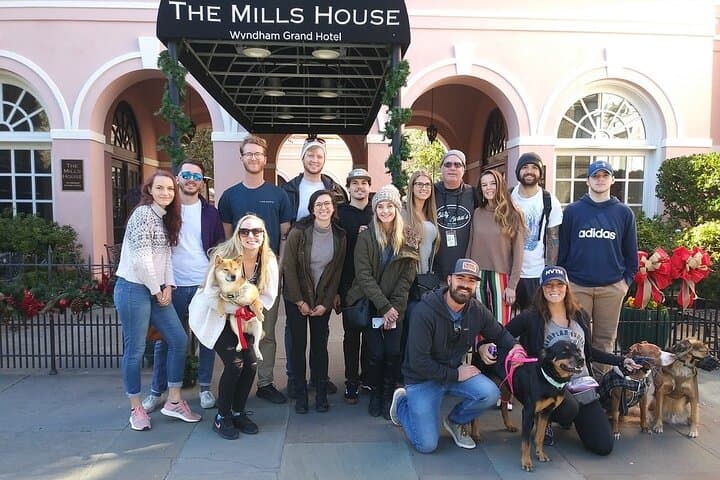
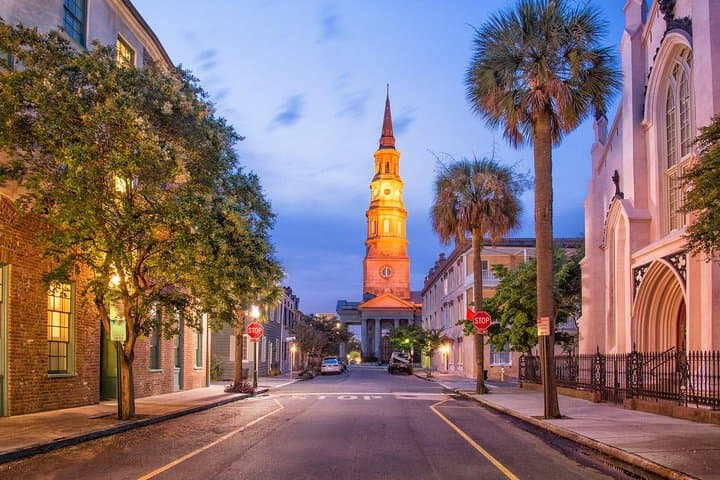

You step out of Bitty and Beau's Coffee at 159 Church Street with the guide's light-blue JWalk shirt in sight, and the city opens like a layered map: brick sidewalks, ironwork balconies, and church steeples puncturing the skyline. The air carries salt from the nearby harbor and the faint, metallic scent of history — centuries of trade, faith, and conflict folded into a two-hour route.
You step out of Bitty and Beau's Coffee at 159 Church Street with the guide's light-blue JWalk shirt in sight, and the city opens like a layered map: brick sidewalks, ironwork balconies, and church steeples puncturing the skyline. The air carries salt from the nearby harbor and the faint, metallic scent of history — centuries of trade, faith, and conflict folded into a two-hour route.
The Chicora walk threads through roughly 350 years of Charleston's arc: colonial settlements, Huguenot refugees, antebellum wealth built on port trade, and hard-to-ignore sites tied to slavery and civil war. The architecture tells the geological and cultural story too — tabby and brick foundations, coastal pine timbers, and buildings oriented for sea breezes rather than winter storms.
Expect stops at landmarks: St. Philip’s Church, the French Huguenot Church, Rainbow Row, a nineteenth-century slave market site, and some of the city's oldest municipal buildings and graveyards. Guides mix straight facts with local anecdotes — dramatic, funny, and sometimes difficult — to give context beyond the façades.
Practical side: the route is urban and mostly flat but includes uneven brick and occasional curb cuts. Bring water, sun protection, and comfortable shoes; tours run rain or shine but may cancel in severe weather. Arrival is at the meeting coffee shop; tours cap at about 20 people, making them conversational and photo-friendly. For travelers wanting a compact, truthful primer on Charleston's built environment and contested past, this two-hour walk delivers clarity and a clearer map for further exploration.