THE ADVENTURE COLLECTIVE® · Independent discovery and booking for outdoor travel

A focused, three-hour walk through Chandni Chowk brings together Mughal-era lanes, century-old temples and iconic sweet shops. Follow a historian-guide for layered stories, local flavors and practical tips for navigating Old Delhi’s busiest bazaar.
A focused, three-hour walk through Chandni Chowk brings together Mughal-era lanes, century-old temples and iconic sweet shops. Follow a historian-guide for layered stories, local flavors and practical tips for navigating Old Delhi’s busiest bazaar.
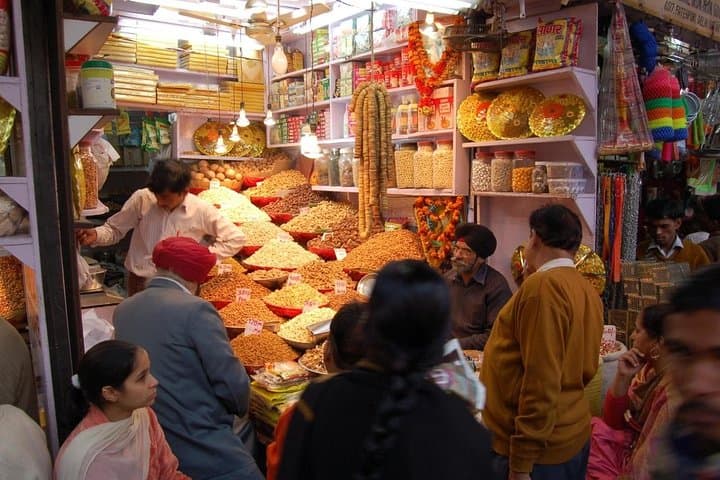
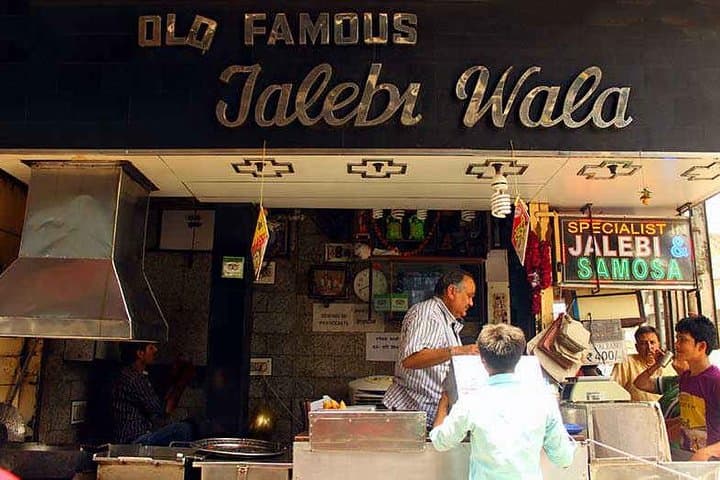
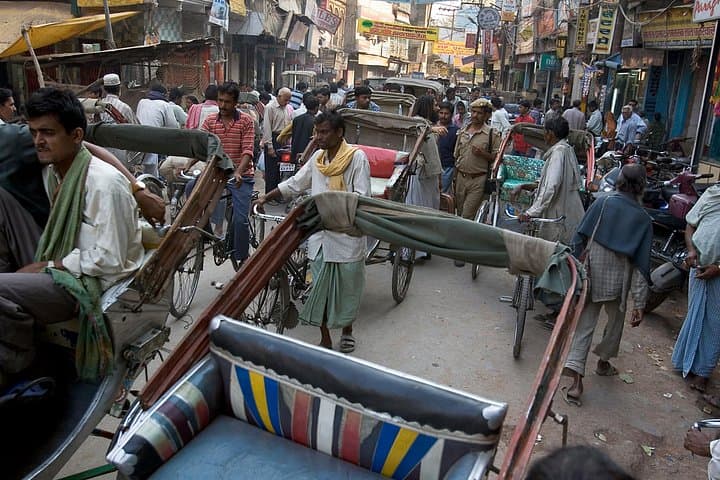
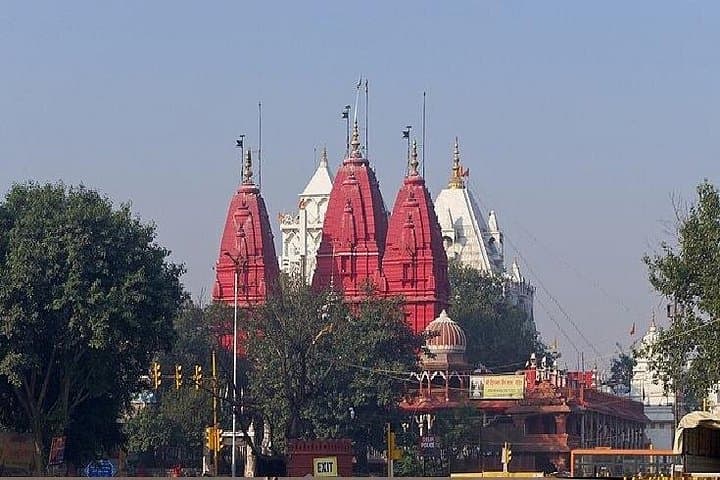
You enter Chandni Chowk by sound first — vendors calling, bicycle bells, and the clack of food skewers on hot iron. Narrow lanes press you close to shopfronts; cardamom and frying ghee push through the steam. In three hours the tour threads from the shadow of the Red Fort through temple courtyards, a Baptist church, a gurudwara and the Sunehri Masjid, each building a different chord in the neighborhood’s long score.
Verified experiences and guided adventures in the surrounding area.
Operated by SITA World Tours · New Delhi, Delhi
You enter Chandni Chowk by sound first — vendors calling, bicycle bells, and the clack of food skewers on hot iron. Narrow lanes press you close to shopfronts; cardamom and frying ghee push through the steam. In three hours the tour threads from the shadow of the Red Fort through temple courtyards, a Baptist church, a gurudwara and the Sunehri Masjid, each building a different chord in the neighborhood’s long score.
Chandni Chowk began in 1638 when Shah Jahan moved his capital and his daughter Jahanara laid out a square that became a market. Built atop the flat Indo-Gangetic plain, the area’s architecture reflects layers of Mughal planning, colonial civic buildings and narrow merchant havelis. You’ll pass Ghantewala’s legacy and Ghalib’s haveli — reminders of trade and poetry that shaped the city’s social life.
Expect intense sensory detail: fabrics that glitter under a sliver of light, steam rising from paranthe shops, and lanes that feel centuries old. Local guides tie stories to specific doors and signboards; listening reveals how commerce, religion and politics collided here.
Practical side: this is urban walking on uneven stone and packed crowds. Comfortable shoes, sun protection and a small water bottle make the difference between a rich morning and a slog. The route is mostly flat but requires steady footing and modest clothing when visiting religious sites. Morning tours are cooler and less congested; bring small change to sample street food and support traditional shops.
moderate.
3 hours.
Should be comfortable walking on uneven surfaces for a few hours and managing crowds; moderate fitness required.
Street food sampling is usually available but not included in the tour price; guides will point out trusted vendors — bring cash for purchases.
Yes — the itinerary includes a Jain temple, Hindu temple, church, gurudwara and mosque; modest dress and removal of shoes may be required at some sites.
This experience is led by an English-speaking local historian by default; confirm multilingual options when booking.
Many lanes are narrow and paved with uneven stones; full wheelchair accessibility is limited — contact the operator to discuss specific needs.
Chandni Chowk dates to 1638 when Mughal planning under Shah Jahan and his daughter Jahanara created the market square; its mix of religious sites and havelis reflects centuries of trade and community life.
High foot traffic strains narrow lanes and generates waste — use reusable water bottles, avoid single-use plastic, and buy from small, traditional vendors to support local livelihoods.
SITA World Tours operates guided outdoor trips and adventures with an emphasis on safety, stewardship, and memorable experiences.
You enter Chandni Chowk by sound first — vendors calling, bicycle bells, and the clack of food skewers on hot iron. Narrow lanes press you close to shopfronts; cardamom and frying ghee push through the steam. In three hours the tour threads from the shadow of the Red Fort through temple courtyards, a Baptist church, a gurudwara and the Sunehri Masjid, each building a different chord in the neighborhood’s long score.
You enter Chandni Chowk by sound first — vendors calling, bicycle bells, and the clack of food skewers on hot iron. Narrow lanes press you close to shopfronts; cardamom and frying ghee push through the steam. In three hours the tour threads from the shadow of the Red Fort through temple courtyards, a Baptist church, a gurudwara and the Sunehri Masjid, each building a different chord in the neighborhood’s long score.
Chandni Chowk began in 1638 when Shah Jahan moved his capital and his daughter Jahanara laid out a square that became a market. Built atop the flat Indo-Gangetic plain, the area’s architecture reflects layers of Mughal planning, colonial civic buildings and narrow merchant havelis. You’ll pass Ghantewala’s legacy and Ghalib’s haveli — reminders of trade and poetry that shaped the city’s social life.
Expect intense sensory detail: fabrics that glitter under a sliver of light, steam rising from paranthe shops, and lanes that feel centuries old. Local guides tie stories to specific doors and signboards; listening reveals how commerce, religion and politics collided here.
Practical side: this is urban walking on uneven stone and packed crowds. Comfortable shoes, sun protection and a small water bottle make the difference between a rich morning and a slog. The route is mostly flat but requires steady footing and modest clothing when visiting religious sites. Morning tours are cooler and less congested; bring small change to sample street food and support traditional shops.