THE ADVENTURE COLLECTIVE® · Independent discovery and booking for outdoor travel

Walk the former Mughal capital from Agra Fort through Kinari Bazaar to Mehtab Bagh for a framed view of the Taj Mahal. This 2–3 hour guided route combines marketplaces, mosques, and riverside perspectives with practical tips for navigating crowds and uneven lanes.
Walk the former Mughal capital from Agra Fort through Kinari Bazaar to Mehtab Bagh for a framed view of the Taj Mahal. This 2–3 hour guided route combines marketplaces, mosques, and riverside perspectives with practical tips for navigating crowds and uneven lanes.
You step out of an air‑conditioned vehicle into a street where the air smells of spices and exhaust, and the red sandstone of Agra Fort looms like a folded map of empire. Your guide threads the group through lanes where shopkeepers arrange paan leaves and wedding trimmings, and the distant silhouette of the Taj Mahal peers across the Yamuna, patient and precise.
Verified experiences and guided adventures in the surrounding area.
Operated by SITA World Tours · Agra, Uttar Pradesh
You step out of an air‑conditioned vehicle into a street where the air smells of spices and exhaust, and the red sandstone of Agra Fort looms like a folded map of empire. Your guide threads the group through lanes where shopkeepers arrange paan leaves and wedding trimmings, and the distant silhouette of the Taj Mahal peers across the Yamuna, patient and precise.
This walking tour traces the layers of Mughal Agra: the imperial power centered at Agra Fort, Shah Jahan’s architectural surge in the 17th century, and the marketplaces that fed and outfitted those courts. Geologically the city sits on alluvial plains of the Yamuna, the river that shaped its economy and views; culturally the streets are living craftsrooms—Kinari Bazaar still supplies bridal finery and Rawatpara’s spice racks hum with trade. Mehtab Bagh across the river provides one of the classic framed views of the Taj, especially late afternoon when shadows lengthen.
Expect about 2–3 hours of walking over paved lanes, occasional uneven stones, and a short cycle‑rickshaw ride to the riverbank. You’ll pass Jama Masjid and Vaidya Ramdutta Gali, where centuries of herbal medicine persist. Practical notes: carry water, wear closed shoes for cobbled alleys, and keep a scarf for mosque entrances. Be prepared for crowds at monuments and modest dress at religious sites.
The tour balances close‑up urban texture—spice markets, paan stalls, rickshaw rhythms—with the long, patient architecture of Mughal Agra. It’s an efficient primer on the city’s history and a hands‑on way to read how a capital inhabits its present.
moderate.
2–3 hours.
Moderate fitness; able to walk 3–4 km on paved and uneven ground and tolerate intermittent stops and crowds.
No—this tour provides views of the Taj from Mehtab Bagh and public vantage points; separate tickets are required for entry to the Taj Mahal.
Yes—private transfer for pickup and drop‑off by air‑conditioned vehicle is included in the tour price.
Families can participate, but the route includes crowded lanes and some walking; travelers with mobility issues should notify the operator in advance.
Guides are specialized Agra Walks guides; language options vary—confirm at booking for specific language requirements.
Agra rose to prominence as a Mughal capital in the 16th–17th centuries; many surviving monuments reflect Shah Jahan’s reign and UNESCO recognition for their world heritage value.
Visitor pressure, air pollution, and riverbank changes affect monuments and views; choose licensed guides, avoid littering, and use refillable bottles to reduce impact.
SITA World Tours operates guided outdoor trips and adventures with an emphasis on safety, stewardship, and memorable experiences.
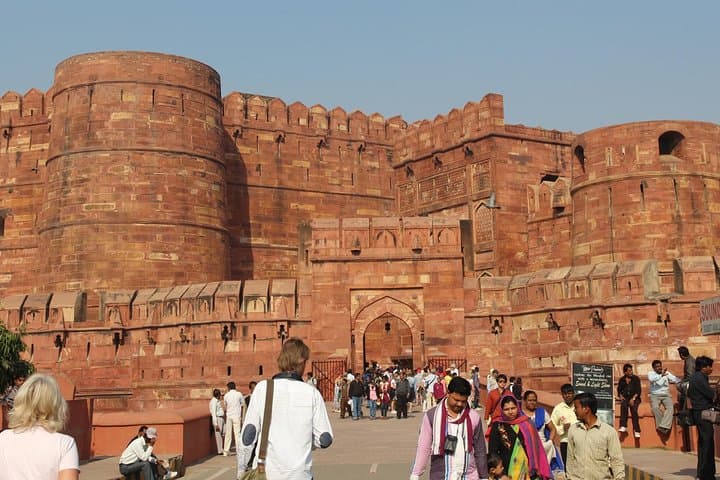
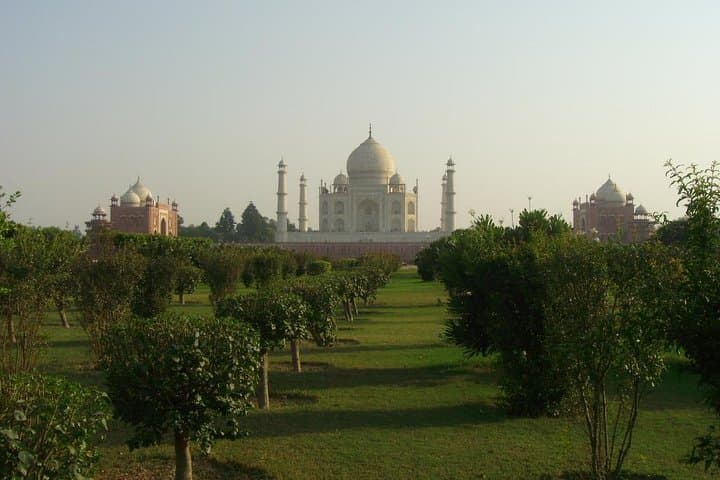
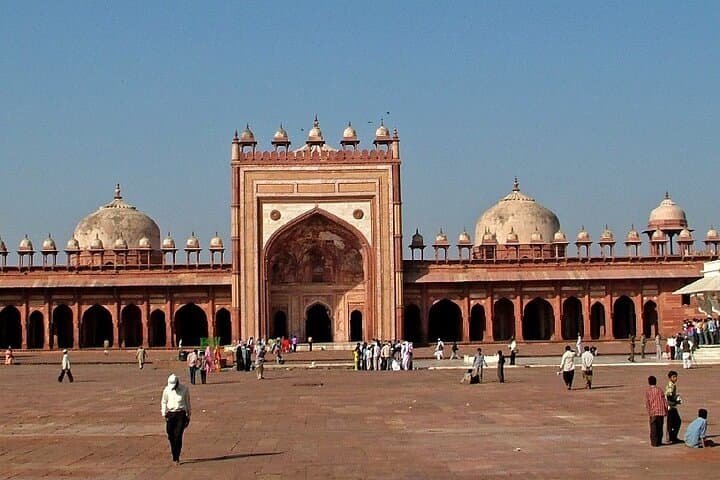
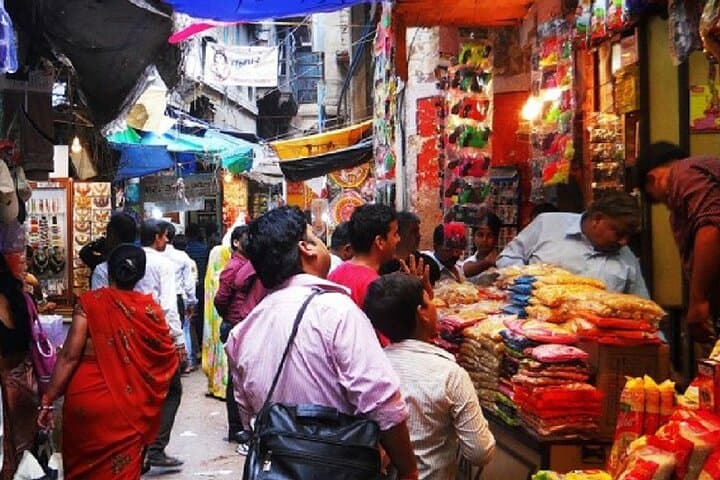
You step out of an air‑conditioned vehicle into a street where the air smells of spices and exhaust, and the red sandstone of Agra Fort looms like a folded map of empire. Your guide threads the group through lanes where shopkeepers arrange paan leaves and wedding trimmings, and the distant silhouette of the Taj Mahal peers across the Yamuna, patient and precise.
You step out of an air‑conditioned vehicle into a street where the air smells of spices and exhaust, and the red sandstone of Agra Fort looms like a folded map of empire. Your guide threads the group through lanes where shopkeepers arrange paan leaves and wedding trimmings, and the distant silhouette of the Taj Mahal peers across the Yamuna, patient and precise.
This walking tour traces the layers of Mughal Agra: the imperial power centered at Agra Fort, Shah Jahan’s architectural surge in the 17th century, and the marketplaces that fed and outfitted those courts. Geologically the city sits on alluvial plains of the Yamuna, the river that shaped its economy and views; culturally the streets are living craftsrooms—Kinari Bazaar still supplies bridal finery and Rawatpara’s spice racks hum with trade. Mehtab Bagh across the river provides one of the classic framed views of the Taj, especially late afternoon when shadows lengthen.
Expect about 2–3 hours of walking over paved lanes, occasional uneven stones, and a short cycle‑rickshaw ride to the riverbank. You’ll pass Jama Masjid and Vaidya Ramdutta Gali, where centuries of herbal medicine persist. Practical notes: carry water, wear closed shoes for cobbled alleys, and keep a scarf for mosque entrances. Be prepared for crowds at monuments and modest dress at religious sites.
The tour balances close‑up urban texture—spice markets, paan stalls, rickshaw rhythms—with the long, patient architecture of Mughal Agra. It’s an efficient primer on the city’s history and a hands‑on way to read how a capital inhabits its present.