THE ADVENTURE COLLECTIVE® · Independent discovery and booking for outdoor travel

Explore Midtown’s architectural milestones on a private 2.5‑hour walk along 42nd Street, from Grand Central’s vaulted concourse to the Art Deco crown of the Chrysler Building. A local guide connects design details to the city’s growth—perfect for curious travelers and architecture fans.
Explore Midtown’s architectural milestones on a private 2.5‑hour walk along 42nd Street, from Grand Central’s vaulted concourse to the Art Deco crown of the Chrysler Building. A local guide connects design details to the city’s growth—perfect for curious travelers and architecture fans.
You step out of Grand Central's vaulted ceiling and onto 42nd Street, where the city moves in long, purposeful tides. The avenue stretches east to west like a stage—brash lights of Times Square to the west, the refined face of the New York Public Library to the south, and the Chrysler Building’s crown glinting to the east. A private guide threads these landmarks into a 2.5‑hour narrative that reads the city’s bones.
Verified experiences and guided adventures in the surrounding area.
Operated by New York Tours by Gary · New York, NY
You step out of Grand Central's vaulted ceiling and onto 42nd Street, where the city moves in long, purposeful tides. The avenue stretches east to west like a stage—brash lights of Times Square to the west, the refined face of the New York Public Library to the south, and the Chrysler Building’s crown glinting to the east. A private guide threads these landmarks into a 2.5‑hour narrative that reads the city’s bones.
This stretch of Midtown records New York’s rapid growth: Beaux‑Arts confidence in the NYPL (1911) and Grand Central (1913), then the streamlined optimism of Art Deco in the Chrysler Building and nearby office blocks during the 1920s–30s. The corridor is less about geology than urban geology—the layering of development, transit arteries, and zoning laws that shaped avenues into commercial spines and theater rows.
Culturally, 42nd Street balances spectacle and service—space for entertainment, finance, and transit—while small architectural notes reward a closer look: ornamental cornices, marble lobbies, tile mosaics and hidden inscriptions left by builders. Local insights include the whispering corners inside Grand Central, the quieter garden behind Bryant Park, and the theatrical frontage lining the Theater District.
Practically: the tour covers mostly flat pavement with some stairs (Grand Central, library steps) and moves at a steady walking pace; expect about 2–2.5 hours total. Bring comfortable shoes, a layered jacket, and a transit card—public transport is the easiest way to arrive. Morning or late afternoon avoids peak commuter crush and gives better light for photos. Ask your guide about lobby access and photography rules inside buildings; many interiors are public but have restricted areas. This walk rewards curiosity—look up, read plaques, and let the avenue’s details speak for themselves.
moderate.
2–2.5 hours.
Able to walk steadily for 2–3 hours with short intervals of standing; comfortable on stairs and uneven sidewalks.
Tours typically start near Grand Central Terminal and end outside the original McGraw‑Hill building; exact meeting instructions are provided at booking.
Many exterior sights are accessible, and the tour listing notes wheelchair accessibility—confirm specific building access with the operator ahead of time.
Yes, the tour is private and the price shown is per group; confirm group size limits when booking.
Photography for personal use is generally permitted in public interiors, but some lobbies or rooms may have restrictions—your guide will advise on where photos are allowed.
42nd Street captures New York’s early 20th‑century civic ambitions—Grand Central and the NY Public Library anchored a new Midtown, while Art Deco towers reshaped the skyline in the 1920s–30s.
Preservation groups and landmark protections maintain key facades and interiors; visitors can reduce impact by using public transit and following building access rules.
New York Tours by Gary operates guided outdoor trips and adventures with an emphasis on safety, stewardship, and memorable experiences.
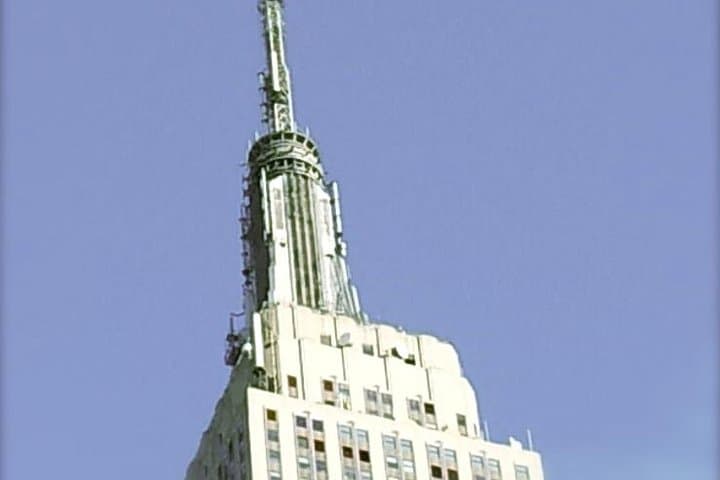
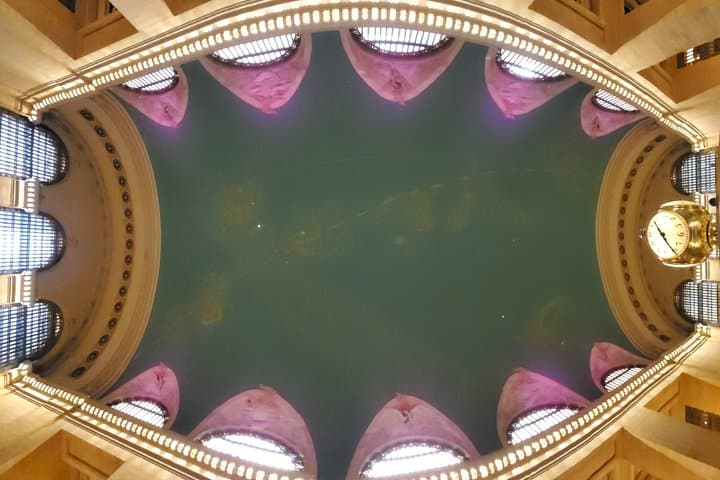
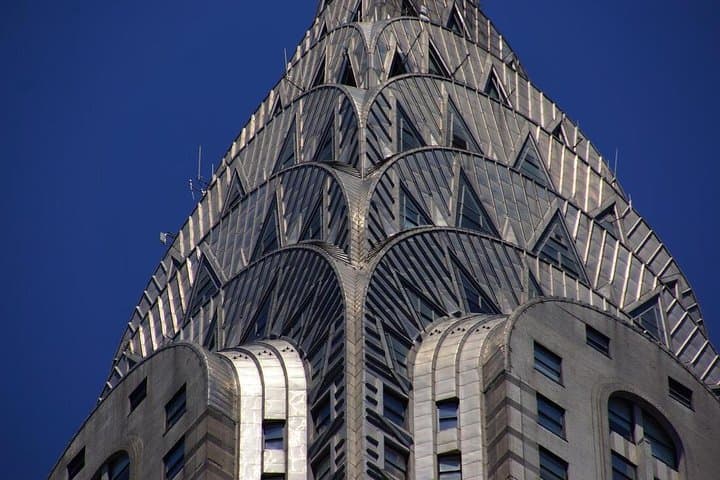
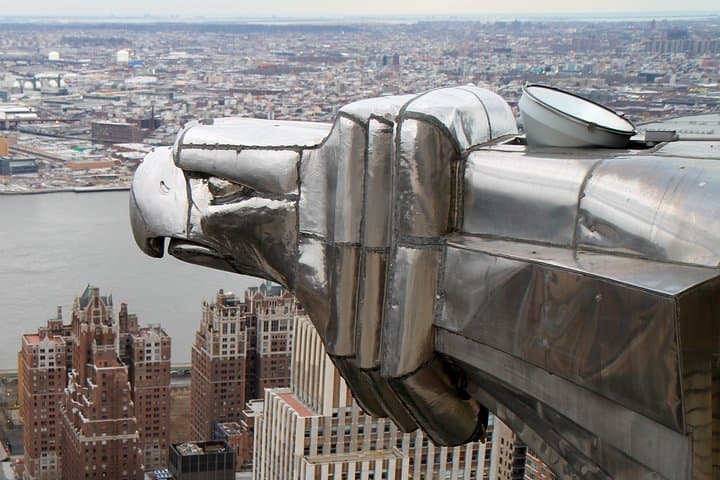
You step out of Grand Central's vaulted ceiling and onto 42nd Street, where the city moves in long, purposeful tides. The avenue stretches east to west like a stage—brash lights of Times Square to the west, the refined face of the New York Public Library to the south, and the Chrysler Building’s crown glinting to the east. A private guide threads these landmarks into a 2.5‑hour narrative that reads the city’s bones.
You step out of Grand Central's vaulted ceiling and onto 42nd Street, where the city moves in long, purposeful tides. The avenue stretches east to west like a stage—brash lights of Times Square to the west, the refined face of the New York Public Library to the south, and the Chrysler Building’s crown glinting to the east. A private guide threads these landmarks into a 2.5‑hour narrative that reads the city’s bones.
This stretch of Midtown records New York’s rapid growth: Beaux‑Arts confidence in the NYPL (1911) and Grand Central (1913), then the streamlined optimism of Art Deco in the Chrysler Building and nearby office blocks during the 1920s–30s. The corridor is less about geology than urban geology—the layering of development, transit arteries, and zoning laws that shaped avenues into commercial spines and theater rows.
Culturally, 42nd Street balances spectacle and service—space for entertainment, finance, and transit—while small architectural notes reward a closer look: ornamental cornices, marble lobbies, tile mosaics and hidden inscriptions left by builders. Local insights include the whispering corners inside Grand Central, the quieter garden behind Bryant Park, and the theatrical frontage lining the Theater District.
Practically: the tour covers mostly flat pavement with some stairs (Grand Central, library steps) and moves at a steady walking pace; expect about 2–2.5 hours total. Bring comfortable shoes, a layered jacket, and a transit card—public transport is the easiest way to arrive. Morning or late afternoon avoids peak commuter crush and gives better light for photos. Ask your guide about lobby access and photography rules inside buildings; many interiors are public but have restricted areas. This walk rewards curiosity—look up, read plaques, and let the avenue’s details speak for themselves.