THE ADVENTURE COLLECTIVE® · Independent discovery and booking for outdoor travel

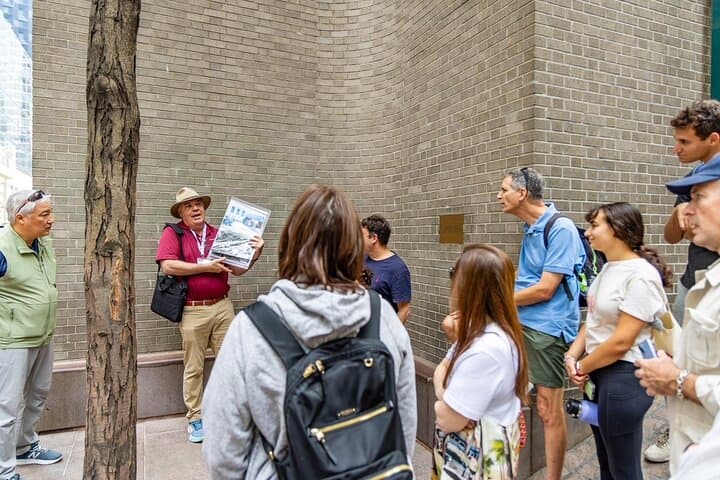
Walk the full pulse of Midtown along 42nd Street — from the United Nations to Times Square — with a guide who points out architectural gems, civic institutions, and the street’s evolving cultural history. This 2.5-hour route balances big sights with local stories and practical tips for moving through one of Manhattan’s busiest corridors.
Walk the full pulse of Midtown along 42nd Street — from the United Nations to Times Square — with a guide who points out architectural gems, civic institutions, and the street’s evolving cultural history. This 2.5-hour route balances big sights with local stories and practical tips for moving through one of Manhattan’s busiest corridors.
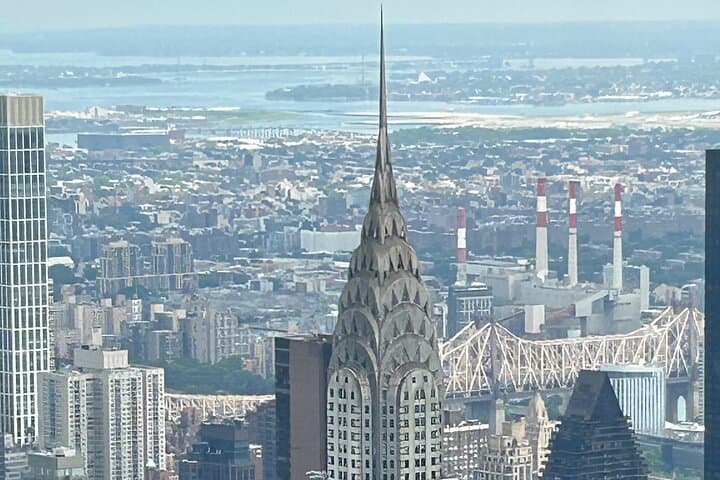
You step off the subway into a canyon of stone and glass where 42nd Street stretches like an artery through Midtown — from the glassy façade of the United Nations to the neon crush of Times Square. Street vendors call, buses slide past, and the city’s layers of commerce, theater and transit press close; your guide points out carved eagles, an Art Deco marquee, and the hush behind library doors.
Verified experiences and guided adventures in the surrounding area.
Operated by RetroMan Tours · New York, NY
You step off the subway into a canyon of stone and glass where 42nd Street stretches like an artery through Midtown — from the glassy façade of the United Nations to the neon crush of Times Square. Street vendors call, buses slide past, and the city’s layers of commerce, theater and transit press close; your guide points out carved eagles, an Art Deco marquee, and the hush behind library doors.
This corridor earned its shape in the industrial and theatrical boom of the late 19th and early 20th centuries. Skyscrapers here rise on Manhattan schist, the bedrock that let developers build upward; theaters and printing houses once clustered around the avenues, and mid-century decline gave way to late-century revitalization and a vibrant cultural economy.
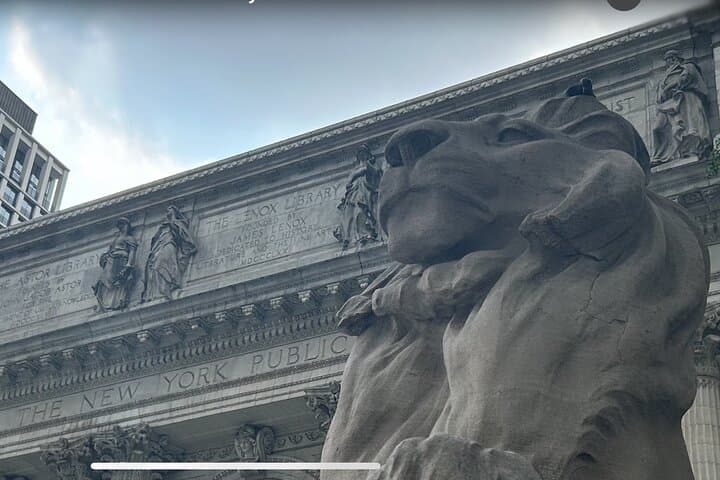
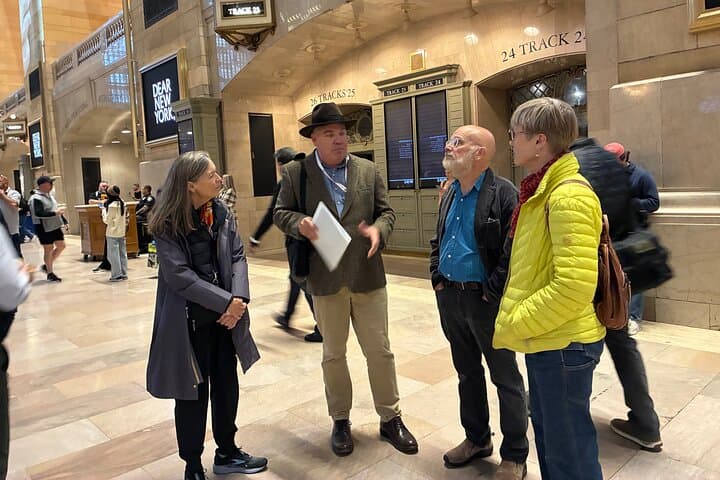
Expect a mix of architectural detail (Beaux-Arts façades, Art Deco setbacks), civic institutions (the New York Public Library, Grand Central Terminal), and urban stories — immigrant commerce, the birth of modern theater, and the complex reinvention of Times Square. Local color includes bustling lunch crowds, park chess games in Bryant Park, and the near-constant hum of transit.
Practical guidance: the tour is about 2.5 hours of mostly flat walking on sidewalks and crosswalks; bring comfortable shoes and a transit pass. Photography opportunities are constant but watch traffic when composing shots. Midday tours are busiest — mornings and late afternoons give cooler light and easier movement. Hydrate, layer for wind off the avenues, and be ready to step into cafés or public spaces for brief breaks.
easy.
2–3 hours.
Suitable for most fitness levels; requires being on your feet and able to navigate city sidewalks for a few hours
The guide meets across from the United Nations and finishes near the Times Square/Port Authority area, following an east-to-west route along 42nd Street.
The route is on public sidewalks and mostly flat; portions are accessible, but confirm specifics with the operator for wheelchair accommodations.
This walking tour focuses on exterior and public-space visits; any paid admission (e.g., special exhibits) is noted in advance and not included by default.
Guides commonly pause at Bryant Park or near Grand Central where cafés and public restrooms are available; bring small bills for quick purchases.
42nd Street grew into a cultural spine during the theater and publishing boom of the early 1900s and later underwent major mid-century decline before dramatic late-20th-century revitalization.
High pedestrian traffic stresses sidewalks and public parks—use litter bins, respect park rules, and support nearby small businesses to help maintain neighborhood vitality.
RetroMan Tours operates guided outdoor trips and adventures with an emphasis on safety, stewardship, and memorable experiences.
You step off the subway into a canyon of stone and glass where 42nd Street stretches like an artery through Midtown — from the glassy façade of the United Nations to the neon crush of Times Square. Street vendors call, buses slide past, and the city’s layers of commerce, theater and transit press close; your guide points out carved eagles, an Art Deco marquee, and the hush behind library doors.
You step off the subway into a canyon of stone and glass where 42nd Street stretches like an artery through Midtown — from the glassy façade of the United Nations to the neon crush of Times Square. Street vendors call, buses slide past, and the city’s layers of commerce, theater and transit press close; your guide points out carved eagles, an Art Deco marquee, and the hush behind library doors.
This corridor earned its shape in the industrial and theatrical boom of the late 19th and early 20th centuries. Skyscrapers here rise on Manhattan schist, the bedrock that let developers build upward; theaters and printing houses once clustered around the avenues, and mid-century decline gave way to late-century revitalization and a vibrant cultural economy.
Expect a mix of architectural detail (Beaux-Arts façades, Art Deco setbacks), civic institutions (the New York Public Library, Grand Central Terminal), and urban stories — immigrant commerce, the birth of modern theater, and the complex reinvention of Times Square. Local color includes bustling lunch crowds, park chess games in Bryant Park, and the near-constant hum of transit.
Practical guidance: the tour is about 2.5 hours of mostly flat walking on sidewalks and crosswalks; bring comfortable shoes and a transit pass. Photography opportunities are constant but watch traffic when composing shots. Midday tours are busiest — mornings and late afternoons give cooler light and easier movement. Hydrate, layer for wind off the avenues, and be ready to step into cafés or public spaces for brief breaks.