THE ADVENTURE COLLECTIVE® · Independent discovery and booking for outdoor travel

A compact, private two-hour walking tour that threads York’s Roman lanes, Viking streets, and medieval walls. Ideal for travelers who want a focused, guided overview with local insights into the city’s history and chocolate-making heritage.
A compact, private two-hour walking tour that threads York’s Roman lanes, Viking streets, and medieval walls. Ideal for travelers who want a focused, guided overview with local insights into the city’s history and chocolate-making heritage.
You step from a narrow cobbled lane into an older city: flagstones warmed by the sun, a church bell marking the hour, and the River Ouse curling like a silver ribbon daring you to follow. The private two-hour walk threads through York’s compact core—along the city walls, past timbered medieval streets and under the Gothic shadow of a cathedral—giving a fast, clear view of why this place shaped northern England.
Verified experiences and guided adventures in the surrounding area.
Operated by Newcastle Tour Company · York, North Yorkshire
You step from a narrow cobbled lane into an older city: flagstones warmed by the sun, a church bell marking the hour, and the River Ouse curling like a silver ribbon daring you to follow. The private two-hour walk threads through York’s compact core—along the city walls, past timbered medieval streets and under the Gothic shadow of a cathedral—giving a fast, clear view of why this place shaped northern England.
York’s story reads in layers. Romans laid out the grid and fortifications; Vikings renamed the port Jorvik and left street patterns still visible today; medieval stone and later Victorian brick speak to commerce—especially the city’s chocolate industry led by names visitors know. Geologically, York occupies a broad alluvial plain where the Ouse widens, producing soft flood meadows beyond the walls and lending the city its approachable flatness.
Culturally the walk is as much about people as buildings: guides will point out working shops squeezed into medieval plots, explain Clifford’s Tower’s role in Norman consolidation, and note later industrial-era additions.
Practical guidance: plan for two hours of easy walking with short stair sections on the walls. Comfortable, grippy shoes matter more than technical gear. Morning or late-afternoon slots avoid peak coach crowds; a private guide lets you tailor start and end points and focus—Roman remains, the Minster, or the chocolate trade.
Bring a light waterproof, layers for changeable weather, and a small bottle of water. The route is compact, highly walkable, and rich in stops—ideal for travelers who want depth on a short schedule.
easy.
2 hours.
Suitable for most fitness levels; requires ability to walk on uneven surfaces and climb short sets of steps.
The tour lasts about two hours and covers a compact route through the city centre, including a stretch along the walls; expect easy walking with several short stair sections.
This private tour provides commentary and external viewing; entry fees for attractions such as the Minster or museums are typically not included unless specified in your booking.
Yes—the tour is rated easy and suitable for most ages, though younger children and those with mobility limits should note the steps on the walls and some uneven paving.
Yes—this private experience allows tailoring of start/end points and emphasis (Roman, Viking, medieval, or industrial history) to match your interests.
York grew from a Roman fortress to a major Viking trading town (Jorvik) and later a medieval commercial hub; many streets and wall segments still trace those early layouts.
The city manages the walls and historic buildings with conservation protections; visitors should stay on designated paths and avoid climbing parapets to reduce wear.
Newcastle Tour Company operates guided outdoor trips and adventures with an emphasis on safety, stewardship, and memorable experiences.

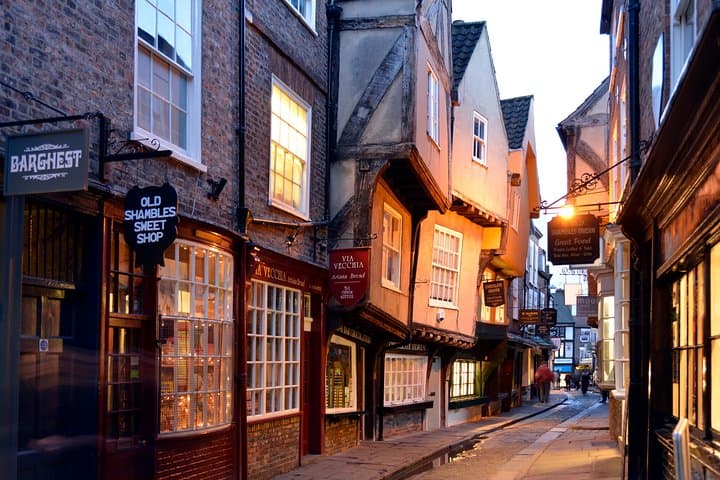


You step from a narrow cobbled lane into an older city: flagstones warmed by the sun, a church bell marking the hour, and the River Ouse curling like a silver ribbon daring you to follow. The private two-hour walk threads through York’s compact core—along the city walls, past timbered medieval streets and under the Gothic shadow of a cathedral—giving a fast, clear view of why this place shaped northern England.
You step from a narrow cobbled lane into an older city: flagstones warmed by the sun, a church bell marking the hour, and the River Ouse curling like a silver ribbon daring you to follow. The private two-hour walk threads through York’s compact core—along the city walls, past timbered medieval streets and under the Gothic shadow of a cathedral—giving a fast, clear view of why this place shaped northern England.
York’s story reads in layers. Romans laid out the grid and fortifications; Vikings renamed the port Jorvik and left street patterns still visible today; medieval stone and later Victorian brick speak to commerce—especially the city’s chocolate industry led by names visitors know. Geologically, York occupies a broad alluvial plain where the Ouse widens, producing soft flood meadows beyond the walls and lending the city its approachable flatness.
Culturally the walk is as much about people as buildings: guides will point out working shops squeezed into medieval plots, explain Clifford’s Tower’s role in Norman consolidation, and note later industrial-era additions.
Practical guidance: plan for two hours of easy walking with short stair sections on the walls. Comfortable, grippy shoes matter more than technical gear. Morning or late-afternoon slots avoid peak coach crowds; a private guide lets you tailor start and end points and focus—Roman remains, the Minster, or the chocolate trade.
Bring a light waterproof, layers for changeable weather, and a small bottle of water. The route is compact, highly walkable, and rich in stops—ideal for travelers who want depth on a short schedule.