THE ADVENTURE COLLECTIVE® · Independent discovery and booking for outdoor travel

Join costumed Viking warriors for an interactive 2¾-hour walk through Dublin’s Viking and medieval quarter. Expect hands-on replica weapons, historical storytelling, and a clear view into the Norse-Gael origins of the city.
Join costumed Viking warriors for an interactive 2¾-hour walk through Dublin’s Viking and medieval quarter. Expect hands-on replica weapons, historical storytelling, and a clear view into the Norse-Gael origins of the city.
You step out onto a cobbled lane and a Viking warrior in full kit greets you—axe slung, voice pitched between story and instruction. The River Liffey hisses nearby, daring you to follow its curve as it has guided traders and raiders for a thousand years.
Verified experiences and guided adventures in the surrounding area.
Operated by Viking Legacy Trails · Dublin, Dublin
You step out onto a cobbled lane and a Viking warrior in full kit greets you—axe slung, voice pitched between story and instruction. The River Liffey hisses nearby, daring you to follow its curve as it has guided traders and raiders for a thousand years.
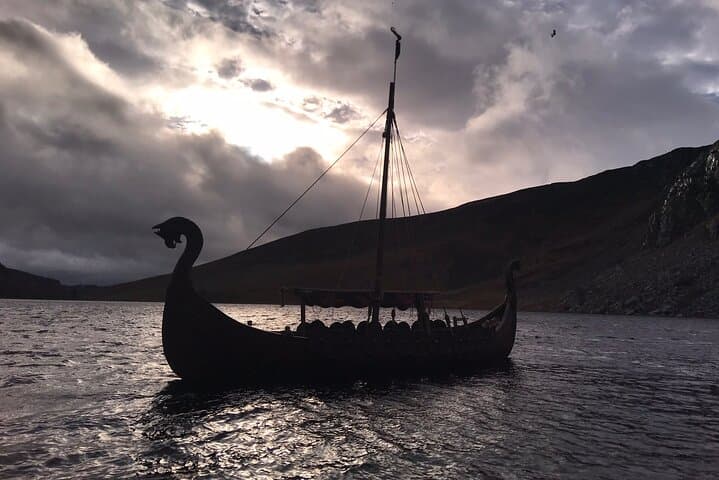
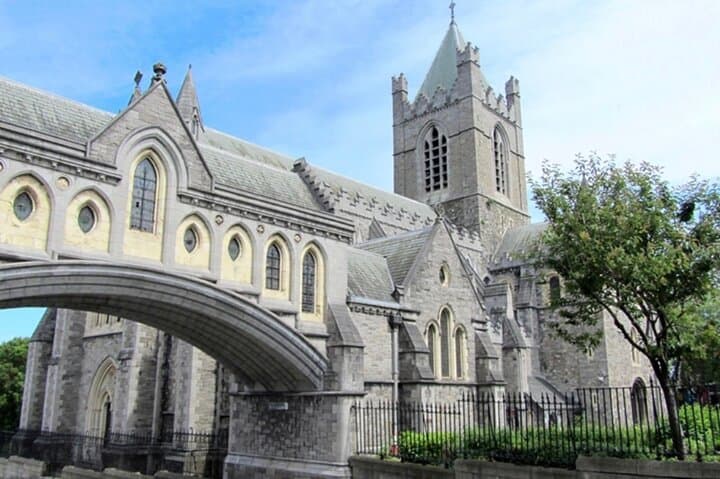
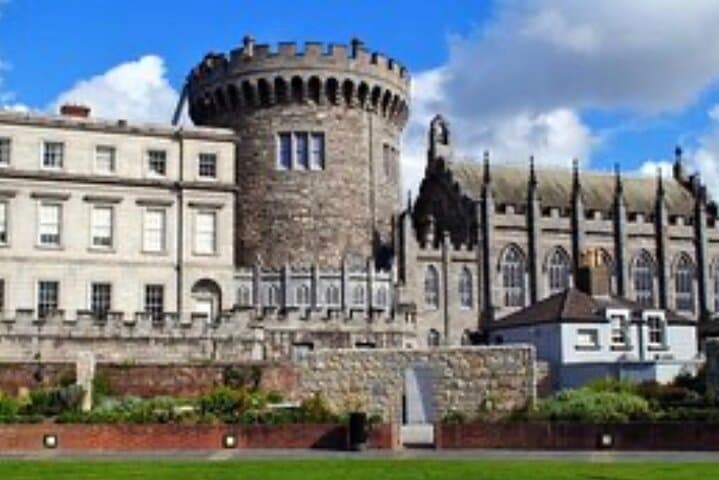
The tour threads through Dublin’s medieval heart: church spires scarred by time, the footprint of Norse docks where the original longphorts sat, and narrow alleys that kept secrets through English rule and Gaelic resurgence. Geology here is subtle but present—the Liffey’s channel and glacial drift shaped the bay and the city’s approach routes, concentrating settlement on higher, drier ground where Viking crews beached their ships.
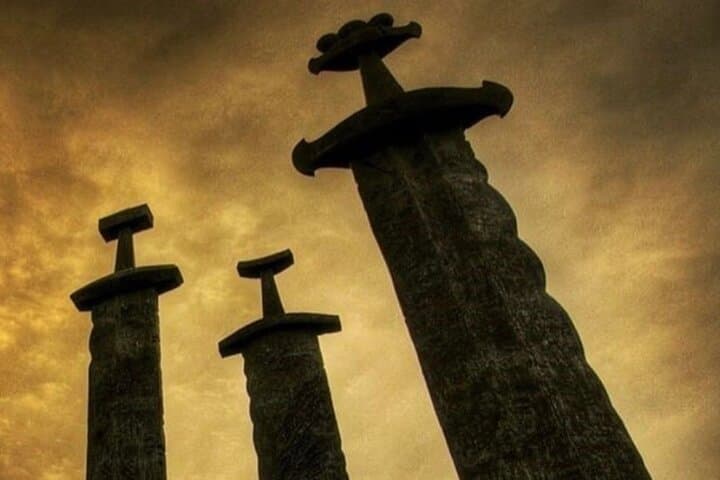
Culturally the experience blends reenactment with scholarship. Guides draw on Norse-Gael history—Vikings who settled in the 9th century and mixed with the Irish—and point to artifacts and place names that survived conquest and commerce.
Practical notes: the route is mostly paved and flat but includes tight, uneven medieval lanes; expect about 2¾ hours of walking with frequent stops for stories, demonstrations and Q&A. Weapons used during the tour are replicas handled only by guides; you may be allowed supervised handling.
For planning: wear sturdy shoes, bring a compact rain layer and a charged phone for photos. Morning and early evening tours avoid the largest crowds and catch the city in softer light. Finally, tip guides if you enjoyed the show—these performances rely on local skill and knowledge to bring Dublin’s past to life.
easy.
2–3 hours.
Suitable for most fitness levels; requires standing and walking on paved but sometimes narrow medieval streets for up to three hours.
No—guides use authentic-feeling replica weapons; handling is supervised and restricted to trained staff or guided moments for safety.
The operator lists the tour as wheelchair accessible, but some medieval lanes may be narrow—contact the provider ahead to confirm specific accessibility needs.
The scheduled duration is about 165 minutes (roughly 2 hours 45 minutes) with frequent stops for storytelling and demonstrations.
Tipping is appreciated and common for street performers and guides; bring small notes or cards for gratuities.
Dublin began as a Viking longphort in the 9th century; over time Norse settlers mixed with Gaelic populations producing a Norse-Gael culture visible in place names and archaeological layers.
Tours operate in a fragile historic core—respect pathways, don’t climb on monuments or exposed ruins, and support local museums that preserve artifacts and records.
Viking Legacy Trails operates guided outdoor trips and adventures with an emphasis on safety, stewardship, and memorable experiences.
You step out onto a cobbled lane and a Viking warrior in full kit greets you—axe slung, voice pitched between story and instruction. The River Liffey hisses nearby, daring you to follow its curve as it has guided traders and raiders for a thousand years.
You step out onto a cobbled lane and a Viking warrior in full kit greets you—axe slung, voice pitched between story and instruction. The River Liffey hisses nearby, daring you to follow its curve as it has guided traders and raiders for a thousand years.
The tour threads through Dublin’s medieval heart: church spires scarred by time, the footprint of Norse docks where the original longphorts sat, and narrow alleys that kept secrets through English rule and Gaelic resurgence. Geology here is subtle but present—the Liffey’s channel and glacial drift shaped the bay and the city’s approach routes, concentrating settlement on higher, drier ground where Viking crews beached their ships.
Culturally the experience blends reenactment with scholarship. Guides draw on Norse-Gael history—Vikings who settled in the 9th century and mixed with the Irish—and point to artifacts and place names that survived conquest and commerce.
Practical notes: the route is mostly paved and flat but includes tight, uneven medieval lanes; expect about 2¾ hours of walking with frequent stops for stories, demonstrations and Q&A. Weapons used during the tour are replicas handled only by guides; you may be allowed supervised handling.
For planning: wear sturdy shoes, bring a compact rain layer and a charged phone for photos. Morning and early evening tours avoid the largest crowds and catch the city in softer light. Finally, tip guides if you enjoyed the show—these performances rely on local skill and knowledge to bring Dublin’s past to life.