THE ADVENTURE COLLECTIVE® · Independent discovery and booking for outdoor travel

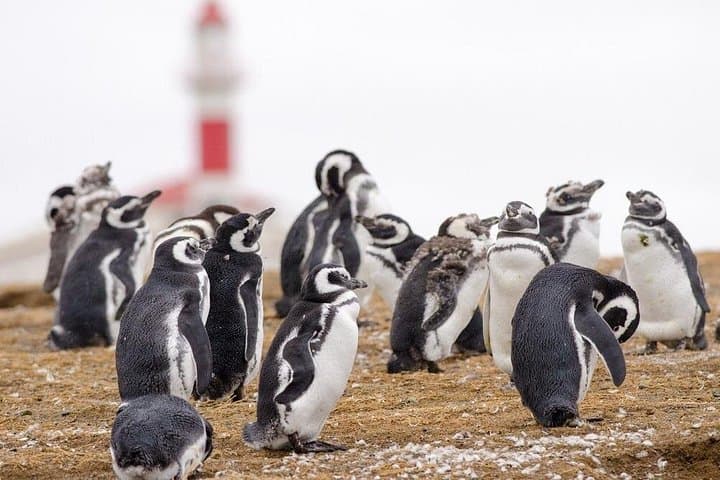
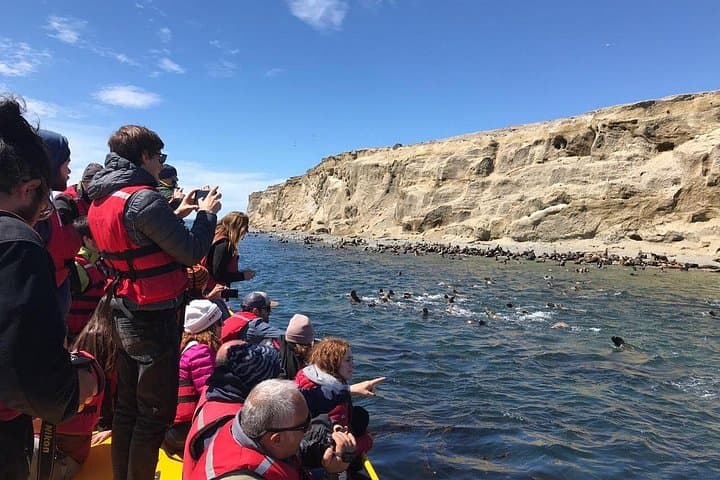
Board a speedboat from Punta Arenas to Isla Magdalena, where thousands of Magellanic penguins parade along marked paths, then circle Isla Marta to watch sea lions and seabirds. This full-morning tour mixes close-up wildlife viewing with crisp Patagonian seascapes.
Board a speedboat from Punta Arenas to Isla Magdalena, where thousands of Magellanic penguins parade along marked paths, then circle Isla Marta to watch sea lions and seabirds. This full-morning tour mixes close-up wildlife viewing with crisp Patagonian seascapes.
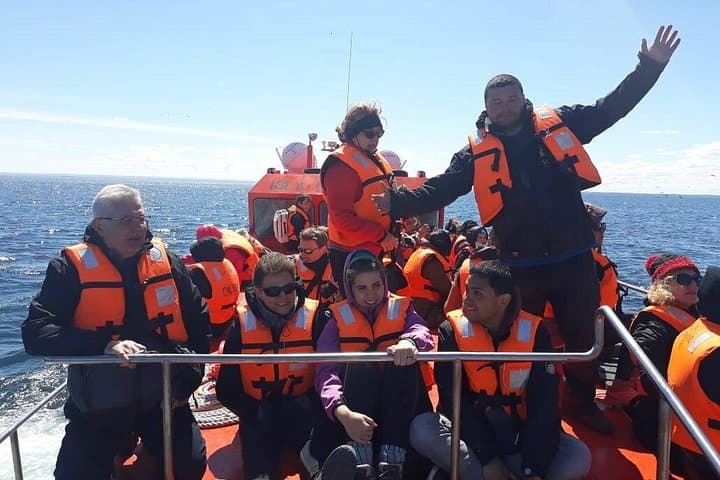
A brisk wind off the Strait of Magellan pushes the speedboat out of Bahia Laredo; spray bites the cheeks and the coastline of Tierra del Fuego slides aft like a receding map. Within an hour the boat eases toward a low, gravelly shore and the air changes—peppered now with braying sea lions and high, nasal calls from cormorants. On Isla Magdalena you step onto a tracked path and join the colony: penguins shuffle past as if they own the timetable, indifferent to human presence but alive with urgency as adults march toward nesting grounds.
Verified experiences and guided adventures in the surrounding area.
Operated by Solo Expediciones · Punta Arenas, Magallanes y la Antártica Chilena Region
A brisk wind off the Strait of Magellan pushes the speedboat out of Bahia Laredo; spray bites the cheeks and the coastline of Tierra del Fuego slides aft like a receding map. Within an hour the boat eases toward a low, gravelly shore and the air changes—peppered now with braying sea lions and high, nasal calls from cormorants. On Isla Magdalena you step onto a tracked path and join the colony: penguins shuffle past as if they own the timetable, indifferent to human presence but alive with urgency as adults march toward nesting grounds.
The islands sit on the southern edge of the Andes’ outwash, where wind-sculpted peat, glacial erratics and volcanic ash mingle. European explorers used the strait for centuries; local Magellan-area communities have long harvested marine resources here. Isla Marta’s rocky islets are breeding platforms for sea lions and resting points for migratory seabirds, while the cold Humboldt and Antarctic currents braid rich feeding grounds offshore.
Practically, expect a 5-hour outing from Punta Arenas with roughly 45 minutes of open-boat cruising each way and a one-hour guided landing on Magdalena; Marta is viewed from the boat. Weather rules the day—sightings of dolphins or whales are possible but never guaranteed. Wear windproof layers, waterproof shoes with good tread, and carry binoculars and a camera with a zoom lens.
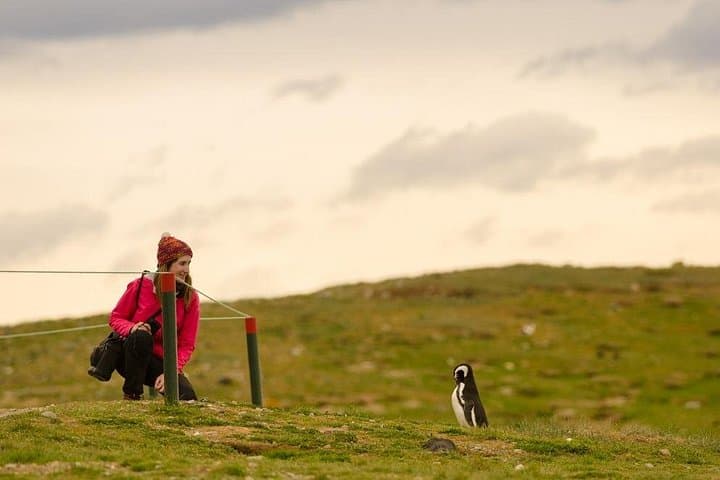
The experience is straightforward: low-impact walking through a living colony, boat viewing of pinnipeds and seabirds, and frequent opportunities to learn from guides about breeding cycles and conservation. Respect roped paths, keep distance, and let the wildlife lead the rhythm of the visit.
easy.
5 hours.
Suitable for anyone with basic mobility—includes a short, low-impact walk and boat transfers.
Guides lead you along marked paths on Isla Magdalena that allow close viewing—often within a few meters—but visitors must stay on the trail to protect nests and chicks.
No—Isla Marta is typically circumnavigated by boat to observe sea lions and seabirds; landings are confined to Magdalena on this itinerary.
Common sightings include South American sea lions, imperial cormorants, southern gulls, occasional dolphins and, seasonally, whale blows offshore.
Yes—this tour is rated physically easy, but boat transfers and uneven surfaces mean supervision and basic mobility are recommended.
The Strait of Magellan has been a critical navigation route since European exploration; local settlements around Punta Arenas grew from 19th-century sheep ranching and maritime trade.
Isla Magdalena’s path and viewing limits are managed to minimize disturbance; follow guide rules and avoid leaving litter to protect breeding seabirds.
Solo Expediciones operates guided outdoor trips and adventures with an emphasis on safety, stewardship, and memorable experiences.
A brisk wind off the Strait of Magellan pushes the speedboat out of Bahia Laredo; spray bites the cheeks and the coastline of Tierra del Fuego slides aft like a receding map. Within an hour the boat eases toward a low, gravelly shore and the air changes—peppered now with braying sea lions and high, nasal calls from cormorants. On Isla Magdalena you step onto a tracked path and join the colony: penguins shuffle past as if they own the timetable, indifferent to human presence but alive with urgency as adults march toward nesting grounds.
A brisk wind off the Strait of Magellan pushes the speedboat out of Bahia Laredo; spray bites the cheeks and the coastline of Tierra del Fuego slides aft like a receding map. Within an hour the boat eases toward a low, gravelly shore and the air changes—peppered now with braying sea lions and high, nasal calls from cormorants. On Isla Magdalena you step onto a tracked path and join the colony: penguins shuffle past as if they own the timetable, indifferent to human presence but alive with urgency as adults march toward nesting grounds.
The islands sit on the southern edge of the Andes’ outwash, where wind-sculpted peat, glacial erratics and volcanic ash mingle. European explorers used the strait for centuries; local Magellan-area communities have long harvested marine resources here. Isla Marta’s rocky islets are breeding platforms for sea lions and resting points for migratory seabirds, while the cold Humboldt and Antarctic currents braid rich feeding grounds offshore.
Practically, expect a 5-hour outing from Punta Arenas with roughly 45 minutes of open-boat cruising each way and a one-hour guided landing on Magdalena; Marta is viewed from the boat. Weather rules the day—sightings of dolphins or whales are possible but never guaranteed. Wear windproof layers, waterproof shoes with good tread, and carry binoculars and a camera with a zoom lens.
The experience is straightforward: low-impact walking through a living colony, boat viewing of pinnipeds and seabirds, and frequent opportunities to learn from guides about breeding cycles and conservation. Respect roped paths, keep distance, and let the wildlife lead the rhythm of the visit.