THE ADVENTURE COLLECTIVE® · Independent discovery and booking for outdoor travel

Walk alongside friendly llamas and alpacas on an easy 3–4 hour hike above Chinchero in the Sacred Valley. Combine gentle highland trekking with a village textile demo and a picnic served with mountain views.
Walk alongside friendly llamas and alpacas on an easy 3–4 hour hike above Chinchero in the Sacred Valley. Combine gentle highland trekking with a village textile demo and a picnic served with mountain views.
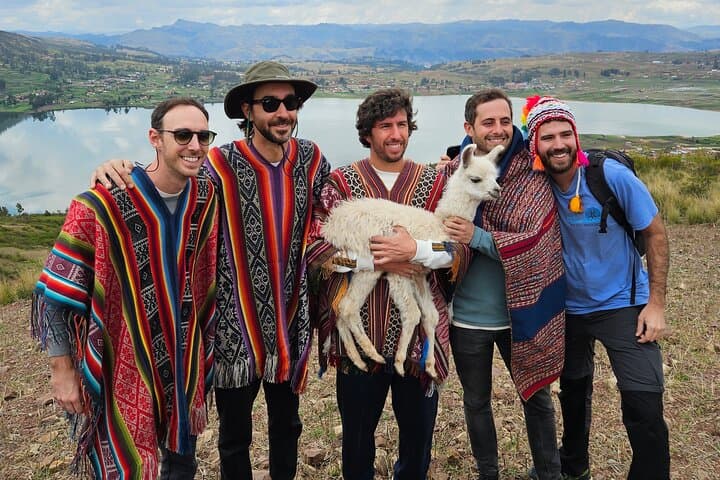
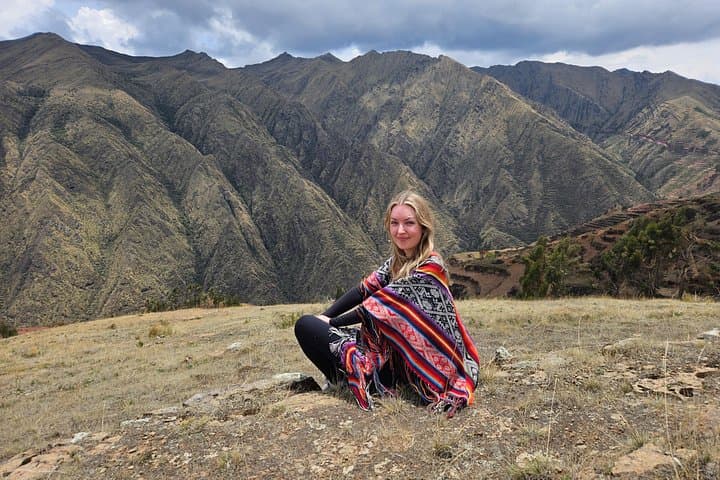
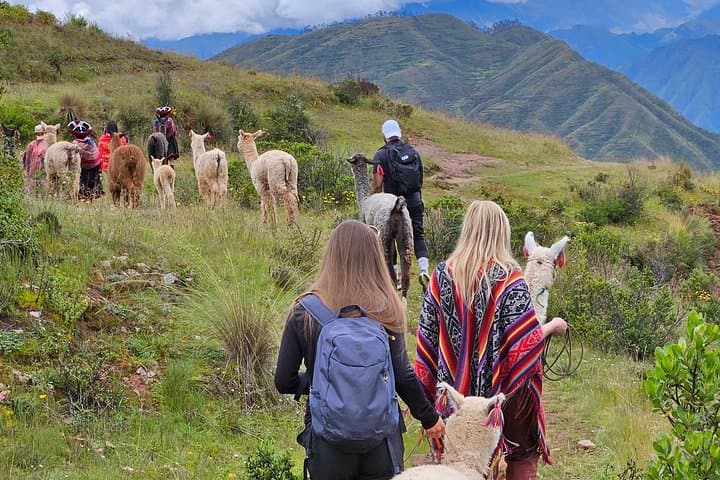
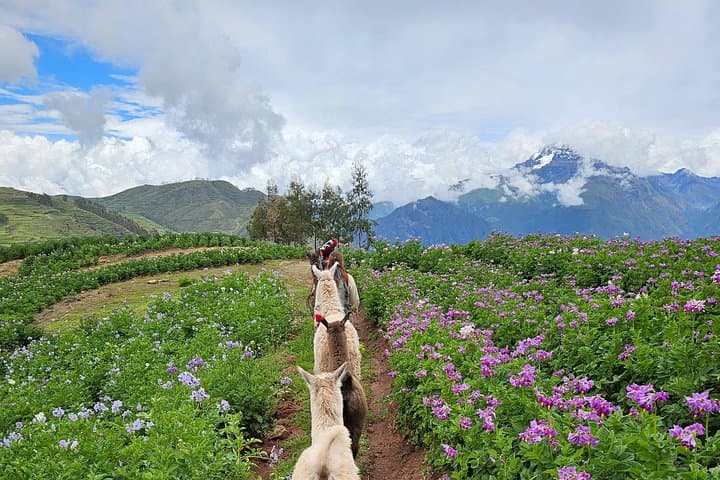
You step out into high Andean air as the stone terraces of Chinchero unfold around you. Llamas and alpacas stand patient, ears alert, ready to lead the way across meadows that slope toward bright lagoons and low Inca walls. The hike moves at a human pace—calm, curious, and photo-ready—through native grasslands and patches of forest where the wind takes on a voice of its own.
Verified experiences and guided adventures in the surrounding area.
Operated by Alpaca Trek Adventures · Chinchero, Cusco
You step out into high Andean air as the stone terraces of Chinchero unfold around you. Llamas and alpacas stand patient, ears alert, ready to lead the way across meadows that slope toward bright lagoons and low Inca walls. The hike moves at a human pace—calm, curious, and photo-ready—through native grasslands and patches of forest where the wind takes on a voice of its own.
Chinchero sits on Inca terraces and colonial foundations; farmers still cultivate the same strips of earth the Inca engineered for altitude farming. The bedrock is Andean volcanic and sedimentary rock carved over millennia by uplift and frost; that geology created the microclimates that supported ancient communities. Local Quechua culture is visible in woven textiles and the slow rhythm of village life; a post-hike textile demonstration shows dyeing, spinning, and backstrap loom techniques passed down generations.
Practically, expect 3–4 hours on marked but uneven trails at roughly 3,700 m (12,100 ft). The pace is easy but altitude affects breathing and energy—take it steady. Bring sun protection and water, wear sturdy shoes with good grip, and layer for sun-warm days and sharp evening chills. Photography is constant: soft wool coats, mountain silhouettes, and terraces make strong compositions.
The experience is equal parts animal encounter and cultural walk: learn about medicinal plants, hear why camelids were preferred pack animals here, then settle for a picnic with local produce overlooking archaeological ruins. It’s accessible to families and beginners, but respect the animals and follow guides’ handling instructions to keep the hike safe and sustainable.
easy.
3–4 hours.
Suitable for people comfortable with light walking at high altitude; expect gentle slopes and uneven ground.
Yes—this tour is family-friendly; children can usually walk with the animals but check age and mobility with the operator beforehand.
No—guides provide basic handling instructions and each participant walks their own animal under supervision.
Chinchero sits around 3,700 m; even easy walks can feel more strenuous—pace yourself, hydrate, and notify the guide if you feel unwell.
Guides often speak Spanish and English; the picnic uses local ingredients—notify operators in advance for dietary restrictions.
Chinchero combines Inca agricultural terraces with a colonial plaza and church built atop Inca foundations; it was a strategic highland community in the Sacred Valley.
Support local guides and textile cooperatives; avoid feeding animals, stay on trails to protect fragile puna grasslands, and pack out waste.
Alpaca Trek Adventures operates guided outdoor trips and adventures with an emphasis on safety, stewardship, and memorable experiences.
You step out into high Andean air as the stone terraces of Chinchero unfold around you. Llamas and alpacas stand patient, ears alert, ready to lead the way across meadows that slope toward bright lagoons and low Inca walls. The hike moves at a human pace—calm, curious, and photo-ready—through native grasslands and patches of forest where the wind takes on a voice of its own.
You step out into high Andean air as the stone terraces of Chinchero unfold around you. Llamas and alpacas stand patient, ears alert, ready to lead the way across meadows that slope toward bright lagoons and low Inca walls. The hike moves at a human pace—calm, curious, and photo-ready—through native grasslands and patches of forest where the wind takes on a voice of its own.
Chinchero sits on Inca terraces and colonial foundations; farmers still cultivate the same strips of earth the Inca engineered for altitude farming. The bedrock is Andean volcanic and sedimentary rock carved over millennia by uplift and frost; that geology created the microclimates that supported ancient communities. Local Quechua culture is visible in woven textiles and the slow rhythm of village life; a post-hike textile demonstration shows dyeing, spinning, and backstrap loom techniques passed down generations.
Practically, expect 3–4 hours on marked but uneven trails at roughly 3,700 m (12,100 ft). The pace is easy but altitude affects breathing and energy—take it steady. Bring sun protection and water, wear sturdy shoes with good grip, and layer for sun-warm days and sharp evening chills. Photography is constant: soft wool coats, mountain silhouettes, and terraces make strong compositions.
The experience is equal parts animal encounter and cultural walk: learn about medicinal plants, hear why camelids were preferred pack animals here, then settle for a picnic with local produce overlooking archaeological ruins. It’s accessible to families and beginners, but respect the animals and follow guides’ handling instructions to keep the hike safe and sustainable.