THE ADVENTURE COLLECTIVE® · Independent discovery and booking for outdoor travel

Spend a half-day walking with alpacas through terraces, Andean villages and vistas of the Sacred Valley. This small‑group tour blends easy hiking with cultural insight and local markets — ideal for travelers wanting a hands-on introduction to Andean life.
Spend a half-day walking with alpacas through terraces, Andean villages and vistas of the Sacred Valley. This small‑group tour blends easy hiking with cultural insight and local markets — ideal for travelers wanting a hands-on introduction to Andean life.
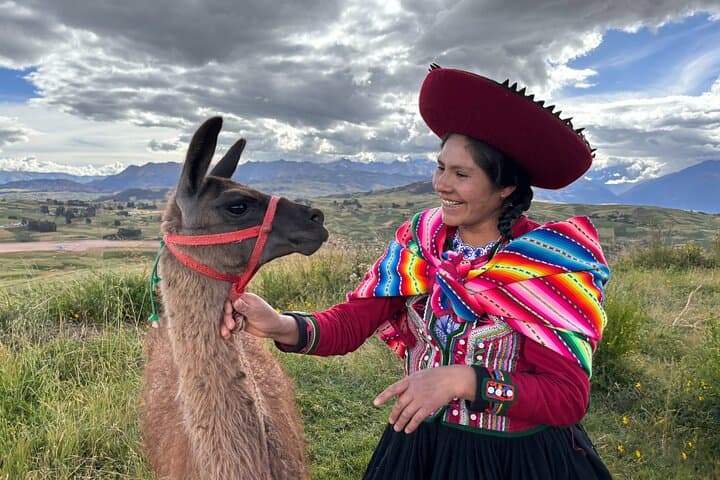
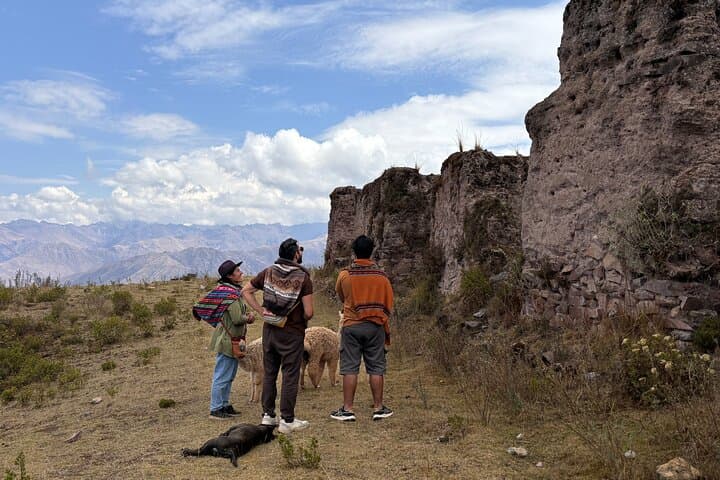
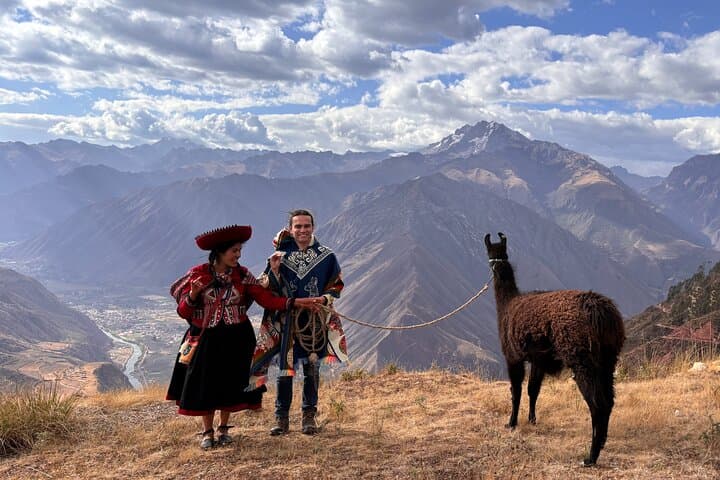
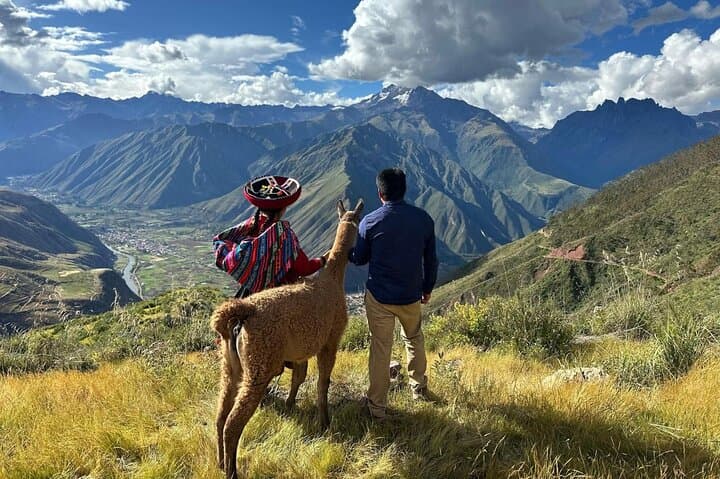
You step out of the minivan with cold mountain air tugging at your jacket and a line of calm alpacas arranging themselves like patient locals ready to lead the way. The trail climbs gently through stone terraces and small farms, the Urubamba River daring you to look down from viewpoints where snow-capped peaks puncture the skyline.
Verified experiences and guided adventures in the surrounding area.
Operated by Sky Dome Peru · Pisac, Cusco
You step out of the minivan with cold mountain air tugging at your jacket and a line of calm alpacas arranging themselves like patient locals ready to lead the way. The trail climbs gently through stone terraces and small farms, the Urubamba River daring you to look down from viewpoints where snow-capped peaks puncture the skyline.
This route threads modern Quechua life into an older story: the Sacred Valley was the Inca’s agricultural heart, carved into steep slopes with terraces that control water and frost. The geology here—sedimentary layers folded by Andean uplift—creates long ridgelines and narrow fertile floors where communities grew maize and potatoes for centuries.
Guides explain weaving techniques, local crop rotations and the alpacas’ role in household economies, turning a walk into a cultural exchange. Towns you pass still use large fitted stones and narrow streets from colonial and pre-colonial eras, and small markets sell hand-dyed textiles you’ll hear spun into stories as much as sold.
Practical edge: the hike is not technical but sits between 2,900–3,500 m (9,500–11,500 ft), so move deliberately the first hour to acclimatize. Expect uneven dirt and stone paths, brief steeper pitches, and sun that intensifies above tree line. Carry water, a high‑SPF hat, and a light rain shell—weather can flip from bright to showery within an hour.
Book a small-group or private walk to keep interactions with animals low-stress and to ensure your guide can tailor stops for photos, market visits and a slower pace for acclimatization.
moderate.
8–9 hours.
Suitable for most healthy travelers with basic fitness; expect sustained walking with some elevation gain and high-altitude breathing.
The tour includes multiple short hikes totaling a few kilometers on mixed terrain with modest elevation changes; it’s rated moderate due to altitude rather than technical difficulty.
Entrance fees to local sites are typically paid on the day of travel, as noted by the operator—bring cash in soles for admissions.
The experience is family-friendly and suitable for children; service animals are allowed but check with the operator about non-service pets for animal welfare reasons.
Yes, alpacas accompany the walk and handlers manage interaction; do not feed them unless staff provide approved feed to avoid upsetting their digestion.
The Sacred Valley supported Inca agriculture through engineered terraces and irrigation; many villages retain stonework and cultivation patterns from that era.
Stick to trails to protect fragile terraces and plant communities, support local guides and artisans directly to ensure tourism revenue reaches resident families.
Sky Dome Peru operates guided outdoor trips and adventures with an emphasis on safety, stewardship, and memorable experiences.
You step out of the minivan with cold mountain air tugging at your jacket and a line of calm alpacas arranging themselves like patient locals ready to lead the way. The trail climbs gently through stone terraces and small farms, the Urubamba River daring you to look down from viewpoints where snow-capped peaks puncture the skyline.
You step out of the minivan with cold mountain air tugging at your jacket and a line of calm alpacas arranging themselves like patient locals ready to lead the way. The trail climbs gently through stone terraces and small farms, the Urubamba River daring you to look down from viewpoints where snow-capped peaks puncture the skyline.
This route threads modern Quechua life into an older story: the Sacred Valley was the Inca’s agricultural heart, carved into steep slopes with terraces that control water and frost. The geology here—sedimentary layers folded by Andean uplift—creates long ridgelines and narrow fertile floors where communities grew maize and potatoes for centuries.
Guides explain weaving techniques, local crop rotations and the alpacas’ role in household economies, turning a walk into a cultural exchange. Towns you pass still use large fitted stones and narrow streets from colonial and pre-colonial eras, and small markets sell hand-dyed textiles you’ll hear spun into stories as much as sold.
Practical edge: the hike is not technical but sits between 2,900–3,500 m (9,500–11,500 ft), so move deliberately the first hour to acclimatize. Expect uneven dirt and stone paths, brief steeper pitches, and sun that intensifies above tree line. Carry water, a high‑SPF hat, and a light rain shell—weather can flip from bright to showery within an hour.
Book a small-group or private walk to keep interactions with animals low-stress and to ensure your guide can tailor stops for photos, market visits and a slower pace for acclimatization.