THE ADVENTURE COLLECTIVE® · Independent discovery and booking for outdoor travel

Walk beside semi-habituated African elephants on a keeper-led stroll just outside Johannesburg. This half-day tour combines a short educational presentation, a guided walk through bushveld tracks, and lunch at the game park lodge.
Walk beside semi-habituated African elephants on a keeper-led stroll just outside Johannesburg. This half-day tour combines a short educational presentation, a guided walk through bushveld tracks, and lunch at the game park lodge.
You step out of the shade and into the soft scrape of bushveld—an elephant’s breath fogs the air, and the keepers’ voices fold into the scrub as they move ahead. This is not a zoo encounter; it’s a measured, keeper-led stroll alongside semi-habituated African elephants through open savanna a short drive from Johannesburg.
Verified experiences and guided adventures in the surrounding area.
Operated by Virgio Tours · Johannesburg, Gauteng
You step out of the shade and into the soft scrape of bushveld—an elephant’s breath fogs the air, and the keepers’ voices fold into the scrub as they move ahead. This is not a zoo encounter; it’s a measured, keeper-led stroll alongside semi-habituated African elephants through open savanna a short drive from Johannesburg.
The region’s low, rocky ridges and acacia-lined gullies are part of Gauteng’s bushveld edge, where conservation initiatives focus on welfare and education rather than performance. South African elephant programs often pair public experiences with on-site veterinary care, anti-poaching awareness, and rehabilitative husbandry; visitors learn about elephant biology, social structure, and threats like habitat loss.
Culturally, the experience sits between tourism and stewardship—guides double as educators, and lunches at the game park lodge reflect local game and South African hospitality.
Practical guidance: expect a half-day visit (presentation, walk, and lodge lunch) with mostly flat, dirt tracks underfoot and short stretches of uneven ground. Wear sturdy closed-toe shoes, sun protection, and carry water; the keepers will brief you on safe distances and hands-on rules—do not approach calves or feed animals unless explicitly instructed.
Photography is welcome, but follow the guide’s directions to keep interactions calm. Morning slots are cooler and better for animal activity; afternoon light enhances photographs but brings heat. The experience balances intimacy with strict safety and conservation protocols—come prepared to listen, observe, and leave with a clearer picture of contemporary elephant stewardship in South Africa.
easy.
4–6 hours.
Suitable for most fitness levels; requires standing and light walking (up to 45 minutes) on gentle, uneven terrain.
Yes; the experience is family-friendly and listed as suitable for most ages, but children should be supervised and follow keeper guidance.
The elephants are semi-habituated and managed by keepers—interaction is controlled for safety and welfare, not entertainment.
Typical inclusions are the educational presentation, the guided walk, entrance fee, and lodge lunch; confirm pickup options when booking.
Many areas are described as wheelchair accessible, but the walking portion requires mobility—check with the operator about specific accessibility needs.
Community-based elephant programs in South Africa emphasize rescue, rehabilitation, and public education, reflecting wider conservation efforts after historic declines in range and numbers.
Visitors are asked to follow strict interaction rules; reputable operators reinvest in welfare, veterinary care, and habitat protection to minimize human impact.
Virgio Tours operates guided outdoor trips and adventures with an emphasis on safety, stewardship, and memorable experiences.
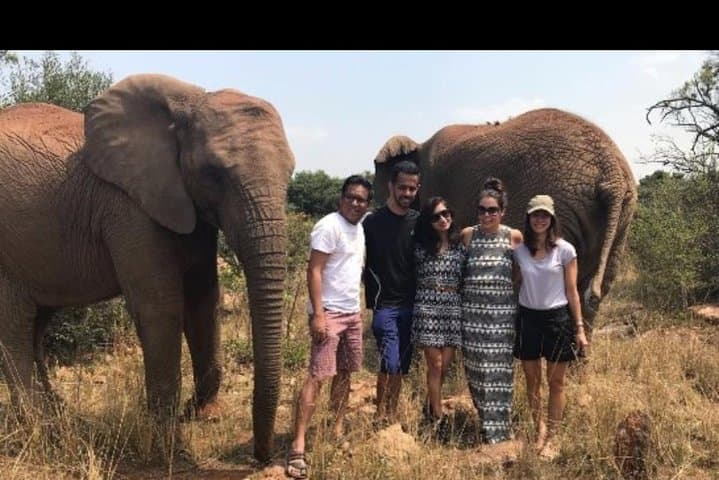
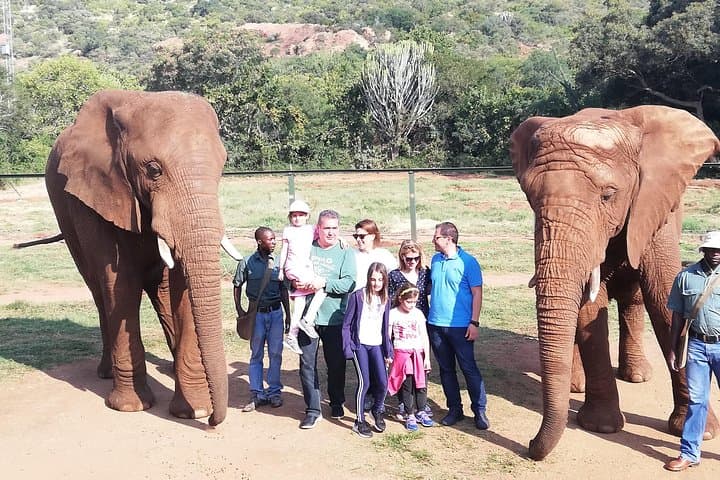
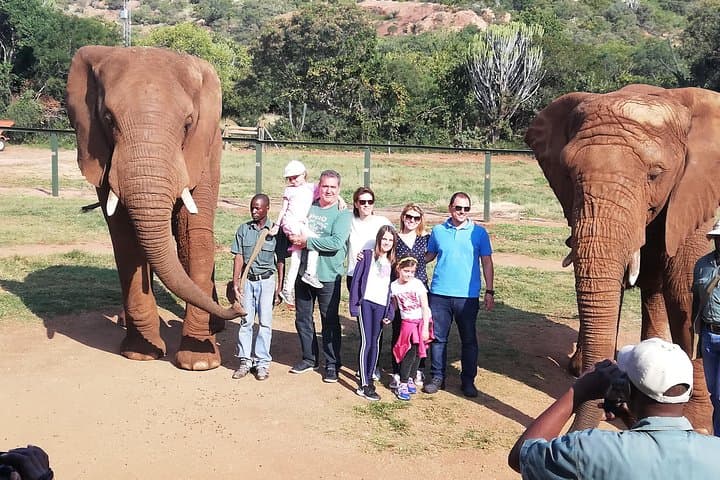
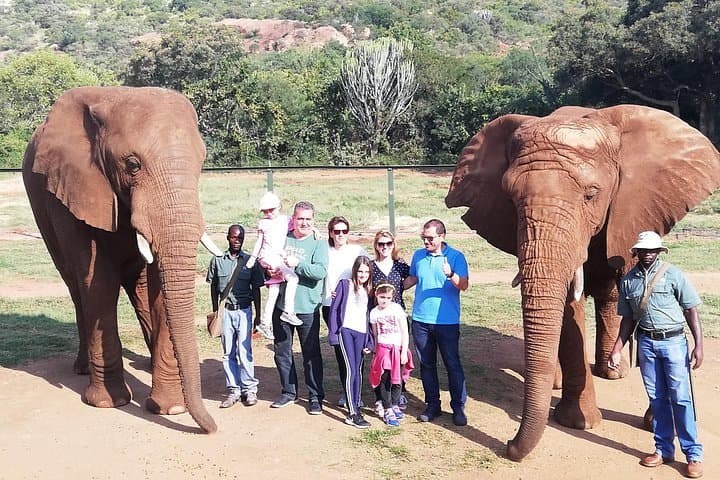
You step out of the shade and into the soft scrape of bushveld—an elephant’s breath fogs the air, and the keepers’ voices fold into the scrub as they move ahead. This is not a zoo encounter; it’s a measured, keeper-led stroll alongside semi-habituated African elephants through open savanna a short drive from Johannesburg.
You step out of the shade and into the soft scrape of bushveld—an elephant’s breath fogs the air, and the keepers’ voices fold into the scrub as they move ahead. This is not a zoo encounter; it’s a measured, keeper-led stroll alongside semi-habituated African elephants through open savanna a short drive from Johannesburg.
The region’s low, rocky ridges and acacia-lined gullies are part of Gauteng’s bushveld edge, where conservation initiatives focus on welfare and education rather than performance. South African elephant programs often pair public experiences with on-site veterinary care, anti-poaching awareness, and rehabilitative husbandry; visitors learn about elephant biology, social structure, and threats like habitat loss.
Culturally, the experience sits between tourism and stewardship—guides double as educators, and lunches at the game park lodge reflect local game and South African hospitality.
Practical guidance: expect a half-day visit (presentation, walk, and lodge lunch) with mostly flat, dirt tracks underfoot and short stretches of uneven ground. Wear sturdy closed-toe shoes, sun protection, and carry water; the keepers will brief you on safe distances and hands-on rules—do not approach calves or feed animals unless explicitly instructed.
Photography is welcome, but follow the guide’s directions to keep interactions calm. Morning slots are cooler and better for animal activity; afternoon light enhances photographs but brings heat. The experience balances intimacy with strict safety and conservation protocols—come prepared to listen, observe, and leave with a clearer picture of contemporary elephant stewardship in South Africa.