THE ADVENTURE COLLECTIVE® · Independent discovery and booking for outdoor travel

Board a short boat from Punta Arenas and walk among one of the Southern Hemisphere’s largest Magellanic penguin colonies on Magdalena Island. This private shore tour offers close-up wildlife viewing, scenic Strait of Magellan crossings, and practical guidance for a responsible visit.
Board a short boat from Punta Arenas and walk among one of the Southern Hemisphere’s largest Magellanic penguin colonies on Magdalena Island. This private shore tour offers close-up wildlife viewing, scenic Strait of Magellan crossings, and practical guidance for a responsible visit.
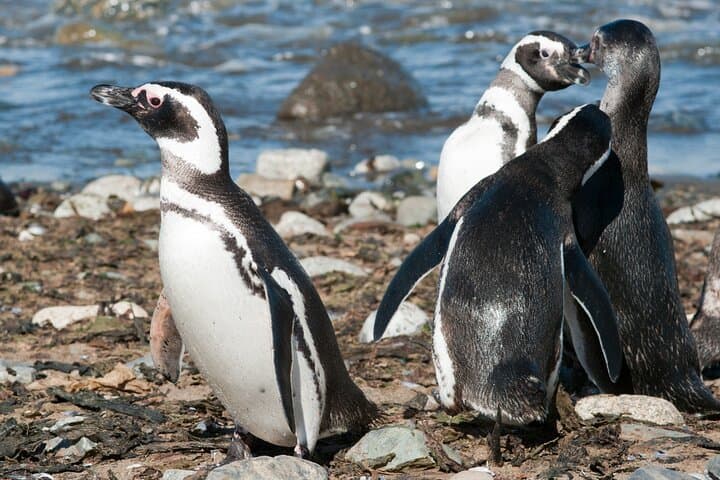
A brisk wind from the Strait of Magellan meets the bow as passengers step off the pier, the city of Punta Arenas shrinking behind them and a low, battered island rising ahead. Magdalena Island announces itself with the sound of millions of wings and the staccato calls of Magellanic penguins; walking paths thread through their colony and the sea pushes and shoves at the island’s edges.
Verified experiences and guided adventures in the surrounding area.
Operated by taxiGo.online - Booking Transfer & Taxi · Punta Arenas, Magallanes
A brisk wind from the Strait of Magellan meets the bow as passengers step off the pier, the city of Punta Arenas shrinking behind them and a low, battered island rising ahead. Magdalena Island announces itself with the sound of millions of wings and the staccato calls of Magellanic penguins; walking paths thread through their colony and the sea pushes and shoves at the island’s edges.
Geology here is exposed Southern Patagonian shelf — low volcanic-ash soils, pebbled beaches and wind-sculpted grasses that define the penguins’ nesting terrain. The island has been protected as Los Pingüinos Natural Monument since the early 20th century, a place long known to local fishermen and now managed to balance access and breeding success. Cultural history mixes gaucho heritage in Punta Arenas with maritime routes that made the Strait a global corridor before the Panama Canal.
Expect a short boat ride (rough seas possible), guided walks on marked boardwalks and close, non-invasive viewing of the colony during its breeding period. Guides explain life cycles, molt timing and how the Strait’s nutrient-rich waters sustain these birds.
Practical guidance: book during October–March for breeding activity; arrive layered — winds can be cold and wet even in summer. Footwear should be sturdy, waterproof and slip-resistant for short walks over gravel and boardwalks. Bring binoculars and a waterproof daypack for camera gear; follow guide instructions about distance and noise. The outing is short (about five hours total including transfers) but unforgettable: nature that’s loud, messy and very present.
easy.
5 hours total.
Suitable for people with basic mobility; involves short, mostly flat walks and boarding a small boat, but be prepared for wind and sea motion.
Breeding season runs roughly October through March; numbers and chick activity peak mid-season, making summer months most reliable for active colonies.
The crossing from Prat Pier to Magdalena Island is typically under an hour each way, but weather and sea state can change travel time.
No — touching or feeding wildlife is prohibited. Visitors must remain on designated paths and follow guide directions to avoid disturbing birds.
Yes, the route is short and mostly flat, but parents should control children closely around boardwalk edges and follow safety guidance during boat embarkation.
Magdalena Island became a protected natural monument to safeguard penguin breeding habitat; Punta Arenas developed as a provisioning and shipping port during 19th-century Patagonian exploration and sheep ranching expansion.
Visits are managed with boardwalks, visitor limits and staffed guides to minimize disturbance; support local conservation by not leaving litter and adhering to guidance.
taxiGo.online - Booking Transfer & Taxi operates guided outdoor trips and adventures with an emphasis on safety, stewardship, and memorable experiences.
A brisk wind from the Strait of Magellan meets the bow as passengers step off the pier, the city of Punta Arenas shrinking behind them and a low, battered island rising ahead. Magdalena Island announces itself with the sound of millions of wings and the staccato calls of Magellanic penguins; walking paths thread through their colony and the sea pushes and shoves at the island’s edges.
A brisk wind from the Strait of Magellan meets the bow as passengers step off the pier, the city of Punta Arenas shrinking behind them and a low, battered island rising ahead. Magdalena Island announces itself with the sound of millions of wings and the staccato calls of Magellanic penguins; walking paths thread through their colony and the sea pushes and shoves at the island’s edges.
Geology here is exposed Southern Patagonian shelf — low volcanic-ash soils, pebbled beaches and wind-sculpted grasses that define the penguins’ nesting terrain. The island has been protected as Los Pingüinos Natural Monument since the early 20th century, a place long known to local fishermen and now managed to balance access and breeding success. Cultural history mixes gaucho heritage in Punta Arenas with maritime routes that made the Strait a global corridor before the Panama Canal.
Expect a short boat ride (rough seas possible), guided walks on marked boardwalks and close, non-invasive viewing of the colony during its breeding period. Guides explain life cycles, molt timing and how the Strait’s nutrient-rich waters sustain these birds.
Practical guidance: book during October–March for breeding activity; arrive layered — winds can be cold and wet even in summer. Footwear should be sturdy, waterproof and slip-resistant for short walks over gravel and boardwalks. Bring binoculars and a waterproof daypack for camera gear; follow guide instructions about distance and noise. The outing is short (about five hours total including transfers) but unforgettable: nature that’s loud, messy and very present.