THE ADVENTURE COLLECTIVE® · Independent discovery and booking for outdoor travel

Explore Vilnius’ Jewish Quarter on foot and visit Paneriai Memorial Park to learn about Litvak culture and the wartime history that reshaped this city. This four-hour tour balances neighborhood storytelling with a solemn memorial visit.
Explore Vilnius’ Jewish Quarter on foot and visit Paneriai Memorial Park to learn about Litvak culture and the wartime history that reshaped this city. This four-hour tour balances neighborhood storytelling with a solemn memorial visit.
Morning light slants across cobbled lanes as you step into Vilnius’ Jewish Quarter — stone facades wear the day’s first shadows and an old synagogue bell seems to count measured breaths. The tour threads between carved doorways, mossed gravestones and a compact museum that maps the imagination and scholarship of Litvak life.
Verified experiences and guided adventures in the surrounding area.
Operated by feelZcity · Vilnius, Vilnius County
Morning light slants across cobbled lanes as you step into Vilnius’ Jewish Quarter — stone facades wear the day’s first shadows and an old synagogue bell seems to count measured breaths. The tour threads between carved doorways, mossed gravestones and a compact museum that maps the imagination and scholarship of Litvak life.
Vilnius earned the nickname “Jerusalem of the North” for centuries of Jewish learning; rabbis, printers and artists left an outsized imprint on the city’s intellectual life. Geologically the city sits on glacial plains where the Neris River, patient and insistent, shaped trade routes that fed cultural exchange. The Paneriai (Ponary) Memorial Park, reached by a short drive, is a quieter landscape — open fields and birch stands that hold the memory of wartime atrocity, marked by stone tablets and simple monuments erected after World War II.
Expect a layered experience: neighborhood streets that reveal domestic and religious life, cemetery stones with Hebrew script, museum displays of Litvak material culture, then the stark geometry of Paneriai’s memorials. Guides frame local narratives alongside broader history so visitors understand both daily life and the rupture of war.
Practicalities: the tour is primarily on foot with private transport to Paneriai; wear sturdy walking shoes, dress for changing weather, and bring water. Observe the memorial with quiet respect — photography is allowed but avoid intrusive shots of names or mourners. Aim for morning or late afternoon light for clearer streets and a more reflective atmosphere at the memorial.
easy.
4 hours.
Light walking ability; suitable for most fitness levels with intermittent standing and short stair sections
The tour lasts about four hours with a mix of walking in the Old Town and a drive to Paneriai; the pace is unhurried and suitable for most walkers.
Yes—this tour includes private transportation between the city and Paneriai as noted in the inclusions.
The tour is family-friendly and listed as stroller-accessible; expect some uneven surfaces at cemeteries and memorials—guests with mobility needs should check specific accessibility with the operator.
Photography is generally allowed, but be respectful: avoid photographing people in mourning and don't use flash for close-ups of memorial inscriptions.
Vilnius was a major center of Jewish learning from the 14th to the early 20th century; the wartime destruction of communities at Paneriai is a central chapter in that history.
Paneriai Memorial is managed with an emphasis on respectful preservation; visitors are asked to stay on paths to protect fragile monuments and vegetation.
feelZcity operates guided outdoor trips and adventures with an emphasis on safety, stewardship, and memorable experiences.
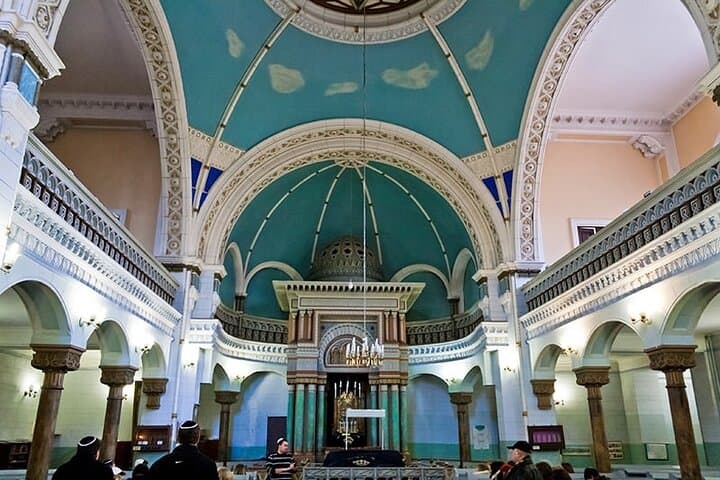
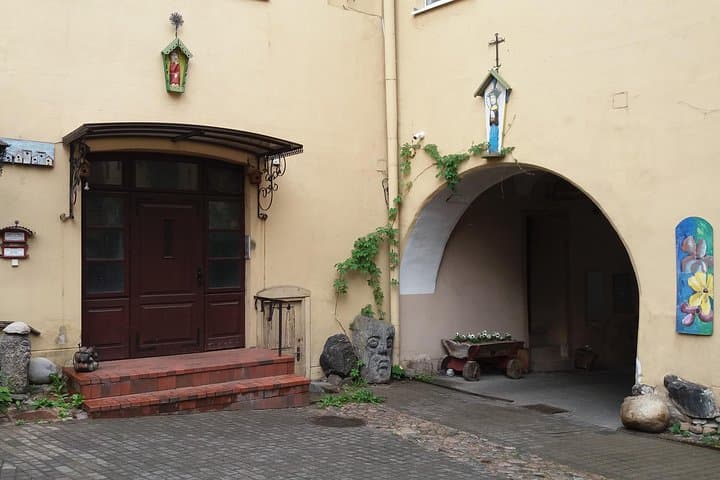
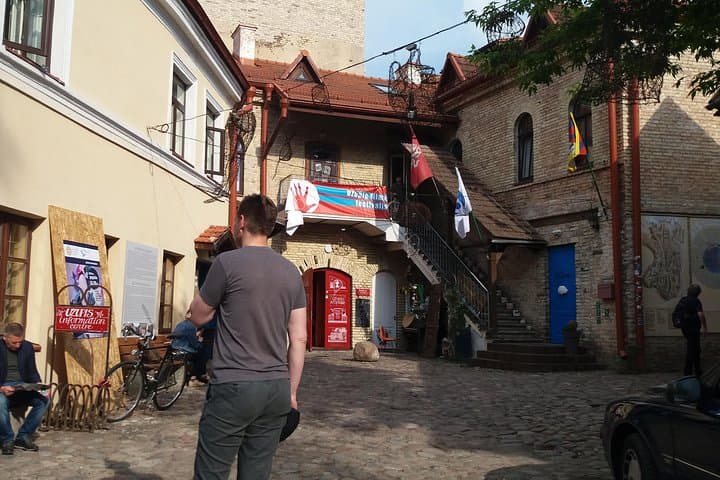
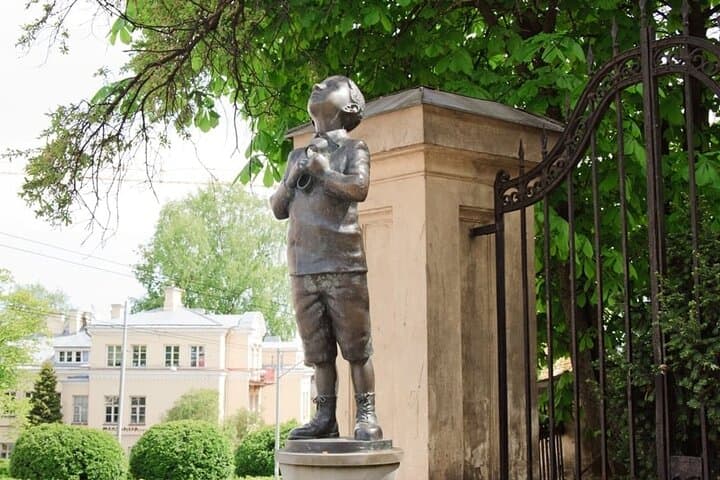
Morning light slants across cobbled lanes as you step into Vilnius’ Jewish Quarter — stone facades wear the day’s first shadows and an old synagogue bell seems to count measured breaths. The tour threads between carved doorways, mossed gravestones and a compact museum that maps the imagination and scholarship of Litvak life.
Morning light slants across cobbled lanes as you step into Vilnius’ Jewish Quarter — stone facades wear the day’s first shadows and an old synagogue bell seems to count measured breaths. The tour threads between carved doorways, mossed gravestones and a compact museum that maps the imagination and scholarship of Litvak life.
Vilnius earned the nickname “Jerusalem of the North” for centuries of Jewish learning; rabbis, printers and artists left an outsized imprint on the city’s intellectual life. Geologically the city sits on glacial plains where the Neris River, patient and insistent, shaped trade routes that fed cultural exchange. The Paneriai (Ponary) Memorial Park, reached by a short drive, is a quieter landscape — open fields and birch stands that hold the memory of wartime atrocity, marked by stone tablets and simple monuments erected after World War II.
Expect a layered experience: neighborhood streets that reveal domestic and religious life, cemetery stones with Hebrew script, museum displays of Litvak material culture, then the stark geometry of Paneriai’s memorials. Guides frame local narratives alongside broader history so visitors understand both daily life and the rupture of war.
Practicalities: the tour is primarily on foot with private transport to Paneriai; wear sturdy walking shoes, dress for changing weather, and bring water. Observe the memorial with quiet respect — photography is allowed but avoid intrusive shots of names or mourners. Aim for morning or late afternoon light for clearer streets and a more reflective atmosphere at the memorial.