THE ADVENTURE COLLECTIVE® · Independent discovery and booking for outdoor travel

Walk from your hotel through Agra’s active streets to the Taj Mahal, then ride a rickshaw to Agra Fort on a private, guide‑led half‑day tour. This option minimizes car time while maximizing local color, history, and photographic moments.
Walk from your hotel through Agra’s active streets to the Taj Mahal, then ride a rickshaw to Agra Fort on a private, guide‑led half‑day tour. This option minimizes car time while maximizing local color, history, and photographic moments.
You start before the city fully wakes: narrow lanes hum with vendors and the smell of frying bedai and jalebi, and the white flank of the Taj Mahal appears through a slit in the neighborhood as you walk toward the river.
Verified experiences and guided adventures in the surrounding area.
Operated by S.A.M Tours & Travels · Agra, Uttar Pradesh
You start before the city fully wakes: narrow lanes hum with vendors and the smell of frying bedai and jalebi, and the white flank of the Taj Mahal appears through a slit in the neighborhood as you walk toward the river.
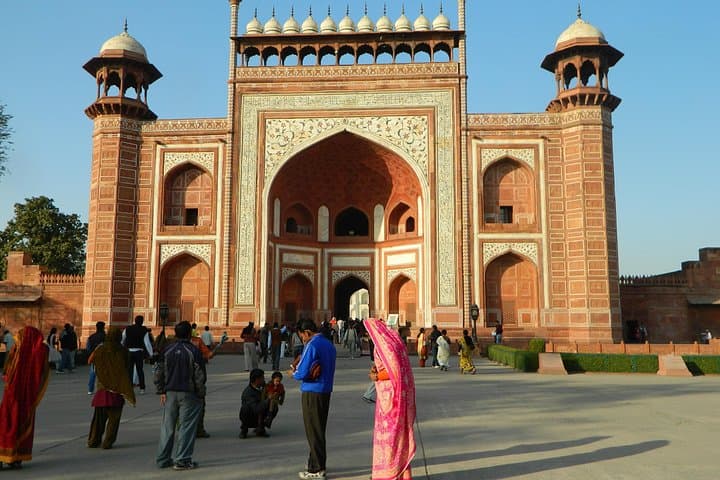
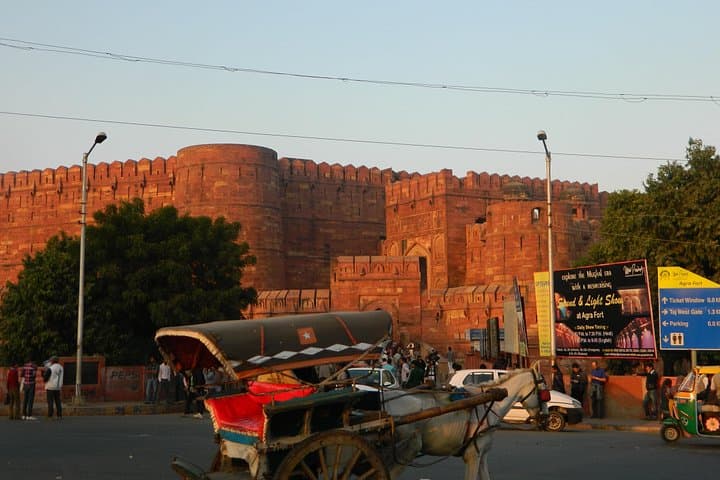
This guided walking tour threads local streets to the Taj Mahal and then moves by rickshaw or tuk‑tuk to Agra Fort, giving a street‑level view of daily life around two of India’s most visited monuments. The Taj, raised by Shah Jahan in the 17th century from Makrana marble, sits on the Yamuna floodplain; the nearby Agra Fort is a red‑sandstone citadel that chronicles Mughal power and defensive design.
Geology shows in the marble’s polish and the fort’s sandstone blocks; culture appears in the bazaars, morning breakfasts, and cycle rickshaws that still ferry locals. Expect sympathetic moments—river breeze pushing through the complex—and practical local color like the kinari bazaar’s craft stalls.
Plan for about six hours on the tour, mostly on paved streets with some steps inside monuments and short rickshaw transfers. Admission fees to the monuments are not included; bring ID for ticketing. Wear closed, comfortable shoes, sun protection, and a light layer for early mornings. Hydrate—bottled water is typically provided—but avoid single‑use plastics near the Taj where restrictions apply.
A private guide steers you through lines, local stories, and photography spots, while modesty for cultural sites and cash for small purchases keep the day smooth. For a concentrated, low‑impact way to experience Agra, this is a walkable, local perspective on two world heritage sites.
moderate.
6 hours.
Moderate fitness: comfortable walking 3–6 km with some stairs and short vehicle transfers
No. Admission is not included—guests should buy e‑tickets ahead or pay at the ticket counter; a valid ID is required for purchase.
Most central Agra hotels lie within about 3 km of the Taj; the walking portion varies by hotel but the overall tour lasts roughly six hours including stops.
The tour is advertised as wheelchair accessible, but both sites have steps and uneven areas; check with the operator in advance for ramps and assistance where needed.
Early morning—shortly after opening—offers cooler temperatures, softer light for photos, and lighter crowds at the Taj.
Built in the 17th century by Mughal emperor Shah Jahan, the Taj Mahal and Agra Fort together illustrate the height of Mughal architecture and the strategic importance of the Yamuna floodplain.
Single‑use plastics and smoking are restricted near the Taj; local conservation efforts focus on reducing air pollution and visitor impact to protect the marble façade.
S.A.M Tours & Travels operates guided outdoor trips and adventures with an emphasis on safety, stewardship, and memorable experiences.

You start before the city fully wakes: narrow lanes hum with vendors and the smell of frying bedai and jalebi, and the white flank of the Taj Mahal appears through a slit in the neighborhood as you walk toward the river.
You start before the city fully wakes: narrow lanes hum with vendors and the smell of frying bedai and jalebi, and the white flank of the Taj Mahal appears through a slit in the neighborhood as you walk toward the river.
This guided walking tour threads local streets to the Taj Mahal and then moves by rickshaw or tuk‑tuk to Agra Fort, giving a street‑level view of daily life around two of India’s most visited monuments. The Taj, raised by Shah Jahan in the 17th century from Makrana marble, sits on the Yamuna floodplain; the nearby Agra Fort is a red‑sandstone citadel that chronicles Mughal power and defensive design.
Geology shows in the marble’s polish and the fort’s sandstone blocks; culture appears in the bazaars, morning breakfasts, and cycle rickshaws that still ferry locals. Expect sympathetic moments—river breeze pushing through the complex—and practical local color like the kinari bazaar’s craft stalls.
Plan for about six hours on the tour, mostly on paved streets with some steps inside monuments and short rickshaw transfers. Admission fees to the monuments are not included; bring ID for ticketing. Wear closed, comfortable shoes, sun protection, and a light layer for early mornings. Hydrate—bottled water is typically provided—but avoid single‑use plastics near the Taj where restrictions apply.
A private guide steers you through lines, local stories, and photography spots, while modesty for cultural sites and cash for small purchases keep the day smooth. For a concentrated, low‑impact way to experience Agra, this is a walkable, local perspective on two world heritage sites.