THE ADVENTURE COLLECTIVE® · Independent discovery and booking for outdoor travel

Trace wartime London from the Cenotaph to the buried nerve centre where Churchill and his Cabinet directed the conflict. This private guided walk pairs street-level context with skip-the-line access to the original Churchill War Rooms.
Trace wartime London from the Cenotaph to the buried nerve centre where Churchill and his Cabinet directed the conflict. This private guided walk pairs street-level context with skip-the-line access to the original Churchill War Rooms.
The morning air on Whitehall feels deliberate — traffic hums, pigeons skitter, and your guide points down a narrow street where petrol lamps once burned and alerts were raised. You move past the Cenotaph, through a ribbon of stone and bronze that remembers the fallen, and into the low-slung entrance that hides the Churchill War Rooms beneath the city.
Verified experiences and guided adventures in the surrounding area.
Operated by Love London Tours · London, England
The morning air on Whitehall feels deliberate — traffic hums, pigeons skitter, and your guide points down a narrow street where petrol lamps once burned and alerts were raised. You move past the Cenotaph, through a ribbon of stone and bronze that remembers the fallen, and into the low-slung entrance that hides the Churchill War Rooms beneath the city.
The route threads contemporary London with wartime life: Blitz-scarred streets now paved with polished stone, the Thames — a strategic artery — still cutting the city into defensive zones. The War Rooms themselves are a time-capsule of 1940s wartime bureaucracy: maps spiked with pins, telephones silenced in their cradles and sugar lumps kept for a rare cup of tea. Learn how strategic decisions were coordinated here during the Battle of Britain, how Downing Street and Parliament framed political resolve, and how civilian morale and rationing shaped daily survival.
Culturally, the tour explores class, courage, and the often-overlooked roles of women and civil servants who kept the nation running. Geologically, London’s clay and the Thames’ floodplain shaped the city’s footprint and the siting of underground spaces during wartime.
Practical guidance: this private walk lasts about 3.5 hours with skip-the-line access to the War Rooms. Wear sturdy shoes for paved streets and expect stairways and narrow passages underground. Bags are restricted in the War Rooms; travel light. Morning slots reduce crowds and blend outdoor context with the museum’s atmosphere.
easy.
3.5 hours.
Suitable for most fitness levels; involves 1–2 miles of walking on paved surfaces and some stairs in the museum.
Yes — the operator notes wheelchair accessibility for all areas and surfaces; inform the guide at booking to confirm any specific needs.
For a full refund cancel at least 24 hours before the scheduled departure time per the standard cancellation policy.
Infants and small children are welcome and can use a pram or stroller; however space in the War Rooms can be tight so plan accordingly.
The guide escorts you into the War Rooms, helps set up your audio guide and map, then allows you to explore the museum at your own pace.
The Churchill War Rooms were the underground nerve centre for Britain’s wartime government; preserved largely as they were when abandoned in 1945, they reveal decision-making under constant threat.
Visitor numbers are managed to protect fragile artifacts and original finishes; follow on-site rules to minimize wear and help preserve this historic interior.
Love London Tours operates guided outdoor trips and adventures with an emphasis on safety, stewardship, and memorable experiences.
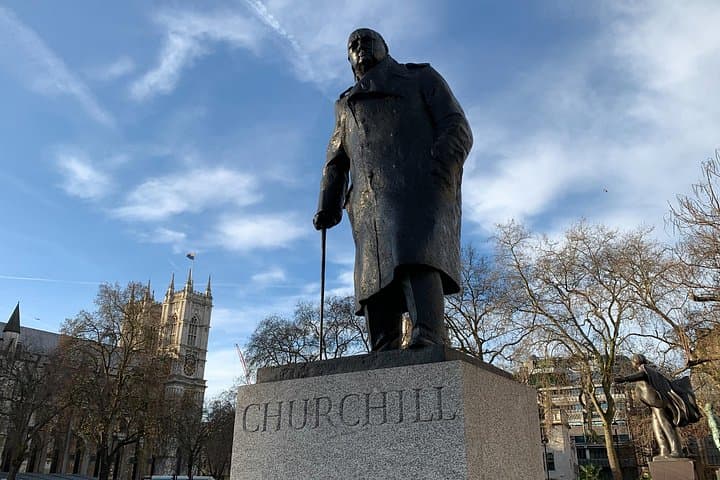
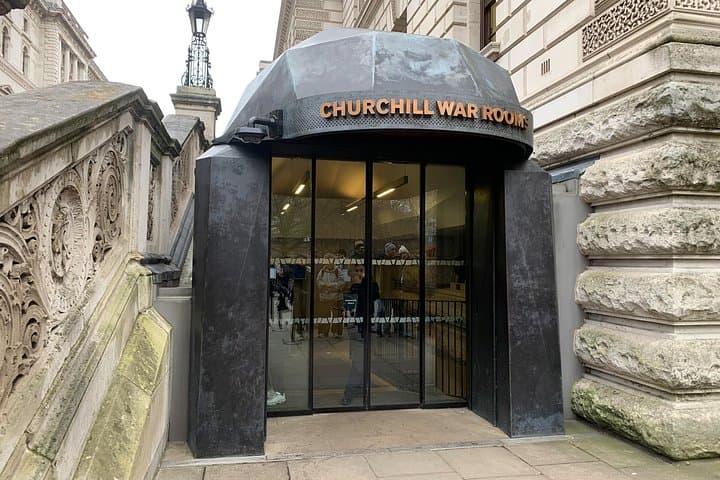
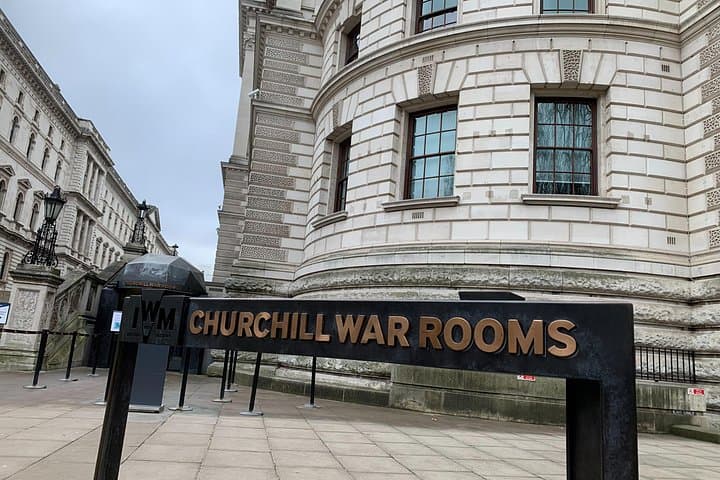
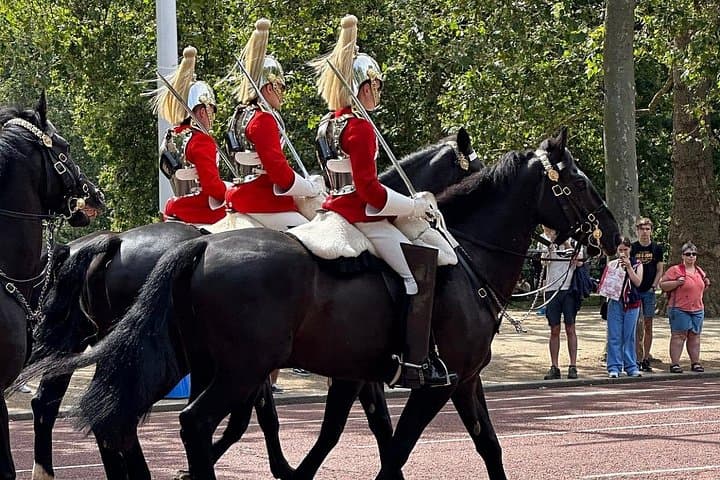
The morning air on Whitehall feels deliberate — traffic hums, pigeons skitter, and your guide points down a narrow street where petrol lamps once burned and alerts were raised. You move past the Cenotaph, through a ribbon of stone and bronze that remembers the fallen, and into the low-slung entrance that hides the Churchill War Rooms beneath the city.
The morning air on Whitehall feels deliberate — traffic hums, pigeons skitter, and your guide points down a narrow street where petrol lamps once burned and alerts were raised. You move past the Cenotaph, through a ribbon of stone and bronze that remembers the fallen, and into the low-slung entrance that hides the Churchill War Rooms beneath the city.
The route threads contemporary London with wartime life: Blitz-scarred streets now paved with polished stone, the Thames — a strategic artery — still cutting the city into defensive zones. The War Rooms themselves are a time-capsule of 1940s wartime bureaucracy: maps spiked with pins, telephones silenced in their cradles and sugar lumps kept for a rare cup of tea. Learn how strategic decisions were coordinated here during the Battle of Britain, how Downing Street and Parliament framed political resolve, and how civilian morale and rationing shaped daily survival.
Culturally, the tour explores class, courage, and the often-overlooked roles of women and civil servants who kept the nation running. Geologically, London’s clay and the Thames’ floodplain shaped the city’s footprint and the siting of underground spaces during wartime.
Practical guidance: this private walk lasts about 3.5 hours with skip-the-line access to the War Rooms. Wear sturdy shoes for paved streets and expect stairways and narrow passages underground. Bags are restricted in the War Rooms; travel light. Morning slots reduce crowds and blend outdoor context with the museum’s atmosphere.