THE ADVENTURE COLLECTIVE® · Independent discovery and booking for outdoor travel

Trace a single Broadway line from Astor Place's elite rowhouses to the Five Points slums and watch the social geography that shaped 19th-century New York unfold. This 2–3 hour guided walk decodes architecture, class, and the city's hidden past.
Trace a single Broadway line from Astor Place's elite rowhouses to the Five Points slums and watch the social geography that shaped 19th-century New York unfold. This 2–3 hour guided walk decodes architecture, class, and the city's hidden past.
A cool wind moves down Broadway as the group gathers inside The Public Theater at Astor Place — the pavement a palimpsest of rival ambitions. The guide points out Colonnade Row's ruined facades and, step by step, the walk slips from the high-ground residences of the Astors into the compressed alleys that once fed Five Points. Streets here don't just carry traffic; they carry argument — between wealth and poverty, commerce and craft.
Verified experiences and guided adventures in the surrounding area.
Operated by Manhattan Unlocked Historical and Architectural Walking Tours · New York, NY
A cool wind moves down Broadway as the group gathers inside The Public Theater at Astor Place — the pavement a palimpsest of rival ambitions. The guide points out Colonnade Row's ruined facades and, step by step, the walk slips from the high-ground residences of the Astors into the compressed alleys that once fed Five Points. Streets here don't just carry traffic; they carry argument — between wealth and poverty, commerce and craft.
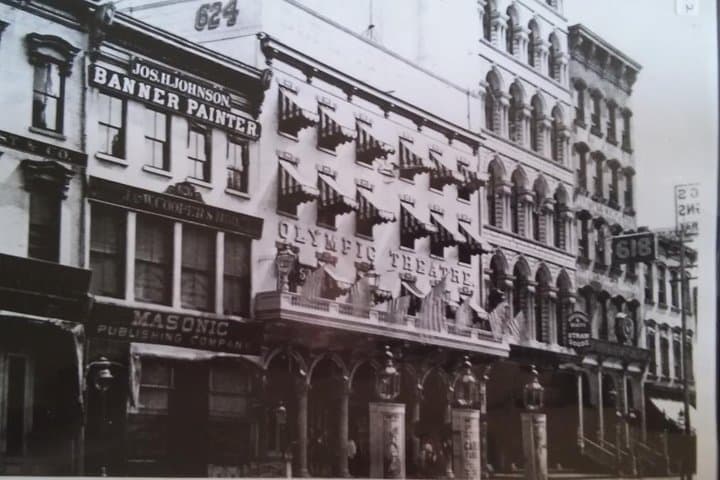
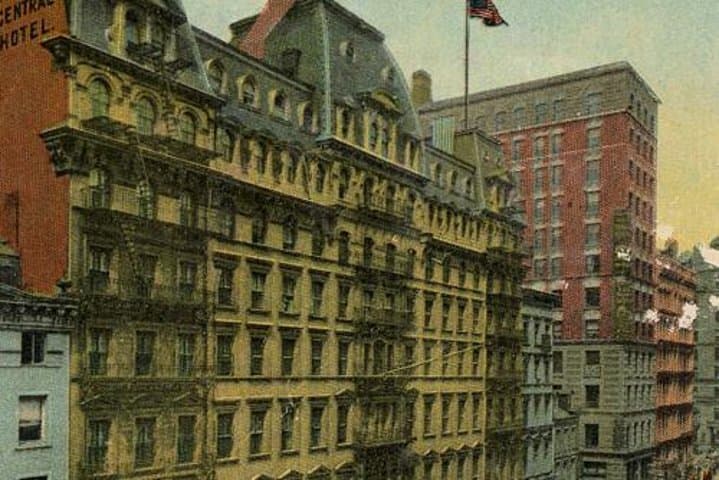
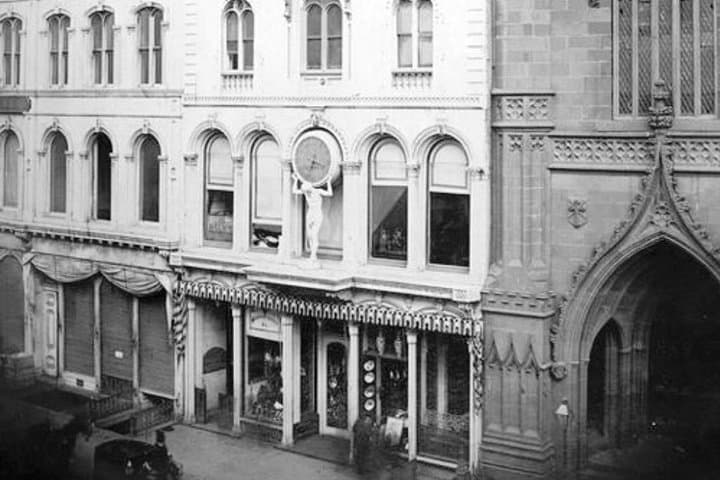
This stretch of Manhattan maps social change: 19th-century marble rowhouses gave way to cast-iron lofts, and where a pond once lapped the shoreline now sits the Civic Center. Underfoot, Manhattan schist keeps the island upright and made the later skyscraper boom possible; above, the Bowery and Broadway show the palimpsest of architecture — Greek revival, cast-iron, early commercial. The route decodes how zoning, immigration, and industry remade neighborhoods: SoHo's later artistic reinvention, Five Points' role in immigrant narratives, and the long-hidden African Burial Ground near today's Foley Square.
Expect close streetscapes, archival images, and concrete examples of adaptive reuse. The tour lasts roughly 2–3 hours, covering flat, mostly paved terrain with short, frequent stops. Wear supportive walking shoes, carry water, and plan for city noise and foot traffic. Public transit drops you at the meeting point; restrooms are available at the theater. Morning start times avoid the heaviest crowds and make details in brick and cast iron easier to read. This is a walking history lesson: practical, urban, and tuned to the real textures of 19th-century New York.
moderate.
2–3 hours.
Moderate: able to stand and walk continuously for up to three hours, with frequent short stops
Meet inside The Public Theater at Astor Place; the guide waits in the lobby—restrooms available there before departure.
Much of the route is on paved sidewalks and curb cuts exist, but narrow streets and occasional uneven surfaces may be challenging; contact the operator for specific accommodations.
Full refunds are available if you cancel at least 24 hours before departure; check the operator’s policy for last-minute changes.
Yes — guides use archival images for comparison and encourage photos, though please be mindful of pedestrian flow and private property.
The walk contrasts the Astor family’s 1830s high-ground residences with the filled-in shore that became Five Points, highlighting immigration, industrialization, and architectural reuse.
This corridor faces pressures from tourism and development; visitors can help by staying on sidewalks, not climbing facades, and supporting local preservation groups.
Manhattan Unlocked Historical and Architectural Walking Tours operates guided outdoor trips and adventures with an emphasis on safety, stewardship, and memorable experiences.
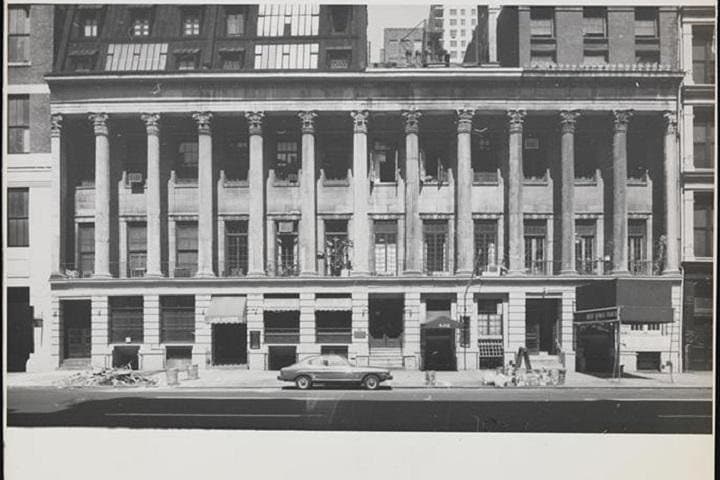
A cool wind moves down Broadway as the group gathers inside The Public Theater at Astor Place — the pavement a palimpsest of rival ambitions. The guide points out Colonnade Row's ruined facades and, step by step, the walk slips from the high-ground residences of the Astors into the compressed alleys that once fed Five Points. Streets here don't just carry traffic; they carry argument — between wealth and poverty, commerce and craft.
A cool wind moves down Broadway as the group gathers inside The Public Theater at Astor Place — the pavement a palimpsest of rival ambitions. The guide points out Colonnade Row's ruined facades and, step by step, the walk slips from the high-ground residences of the Astors into the compressed alleys that once fed Five Points. Streets here don't just carry traffic; they carry argument — between wealth and poverty, commerce and craft.
This stretch of Manhattan maps social change: 19th-century marble rowhouses gave way to cast-iron lofts, and where a pond once lapped the shoreline now sits the Civic Center. Underfoot, Manhattan schist keeps the island upright and made the later skyscraper boom possible; above, the Bowery and Broadway show the palimpsest of architecture — Greek revival, cast-iron, early commercial. The route decodes how zoning, immigration, and industry remade neighborhoods: SoHo's later artistic reinvention, Five Points' role in immigrant narratives, and the long-hidden African Burial Ground near today's Foley Square.
Expect close streetscapes, archival images, and concrete examples of adaptive reuse. The tour lasts roughly 2–3 hours, covering flat, mostly paved terrain with short, frequent stops. Wear supportive walking shoes, carry water, and plan for city noise and foot traffic. Public transit drops you at the meeting point; restrooms are available at the theater. Morning start times avoid the heaviest crowds and make details in brick and cast iron easier to read. This is a walking history lesson: practical, urban, and tuned to the real textures of 19th-century New York.