THE ADVENTURE COLLECTIVE® · Independent discovery and booking for outdoor travel

Step onto 300 meters of transparent bridge and peer into a canyon carved from quartz-sandstone pillars. This practical guide covers what to expect at Zhangjiajie Grand Canyon, plus safety and timing tips to get the most from the visit.
Step onto 300 meters of transparent bridge and peer into a canyon carved from quartz-sandstone pillars. This practical guide covers what to expect at Zhangjiajie Grand Canyon, plus safety and timing tips to get the most from the visit.
You step onto glass and the canyon exhales beneath you — an emerald river daring you to look down. The Zhangjiajie Glass Bridge spans roughly 300 meters of clear panels, suspended about 300 meters (≈985 ft) above the canyon floor, offering framings of sandstone pillars, waterfalls, and dense subtropical forest.
Verified experiences and guided adventures in the surrounding area.
Operated by Train Spread · Zhangjiajie, Hunan
You step onto glass and the canyon exhales beneath you — an emerald river daring you to look down. The Zhangjiajie Glass Bridge spans roughly 300 meters of clear panels, suspended about 300 meters (≈985 ft) above the canyon floor, offering framings of sandstone pillars, waterfalls, and dense subtropical forest.
The Grand Canyon here is part of the larger Wulingyuan geological region, carved from quartz-sandstone over millions of years into steep pillars and narrow slots. Locals have long told stories of bandits and mountain paths; modern attractions like Bandit Cave, One Line Sky, and the Sky Ladder Plank Road layer human thrills onto a landscape shaped by tectonics and relentless rain.
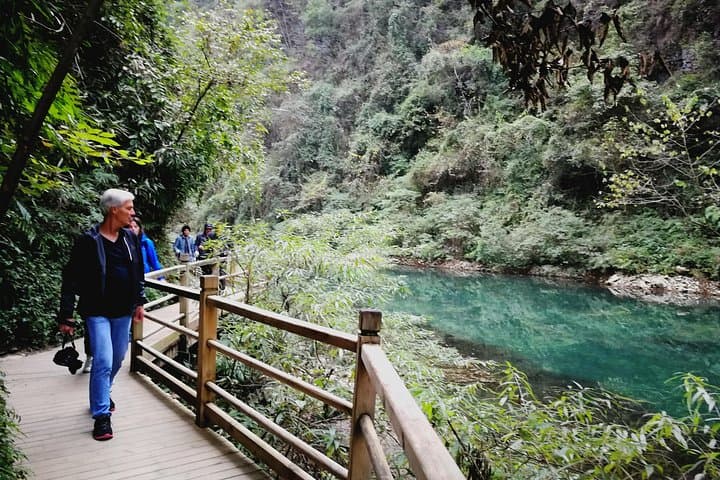
Expect a mix of engineered adrenaline and quiet nature: the bridge’s engineered transparency makes the air feel mobile, while side trails dip into ferned gullies and past Butterfly Spring Waterfall. Cultural touches — small tea stalls and local guides from nearby villages — give context to the scenery without overwhelming it.
Practical guidance: bring your passport for ticket redemption, wear sturdy shoes, and carry water and a light jacket — weather changes quickly in the canyon. The experience takes about 3–4 hours if you explore viewpoints and short trails; allow more time for queues. The bridge limits bags to phones and wallets, and certain medical conditions or pregnancy are not recommended. Visit early or late in the day to avoid peak crowds and catch the canyon light shifting across the pillars.
moderate.
3–4 hours.
Moderate fitness: short climbs and stairs on viewpoints; must be steady on feet and comfortable with heights.
Yes — the passport details used when booking must be presented to redeem paper tickets at the entrance.
The bridge is about 300 meters (≈985 feet) above the canyon floor and built from multiple glass panels.
No — visitors may only bring small items such as phones and wallets in suitable cases; large bags are restricted for safety and preservation.
Children who are comfortable with heights can go, but seniors or anyone with significant cardiovascular issues are advised not to walk the bridge; follow local health advisories.
The Wulingyuan region’s sandstone pillars formed over millions of years from quartzitic sandstone uplift and erosion; the area gained international attention as a UNESCO-listed scenic area and inspired modern tourism developments.
Visitor limits, strict bridge rules, and designated trails help protect fragile vegetation and erosion-prone slopes; stay on paths and avoid feeding wildlife.
Train Spread operates guided outdoor trips and adventures with an emphasis on safety, stewardship, and memorable experiences.
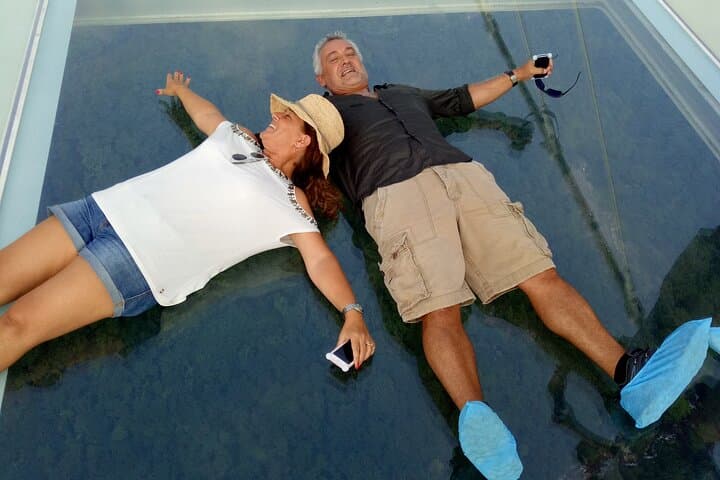
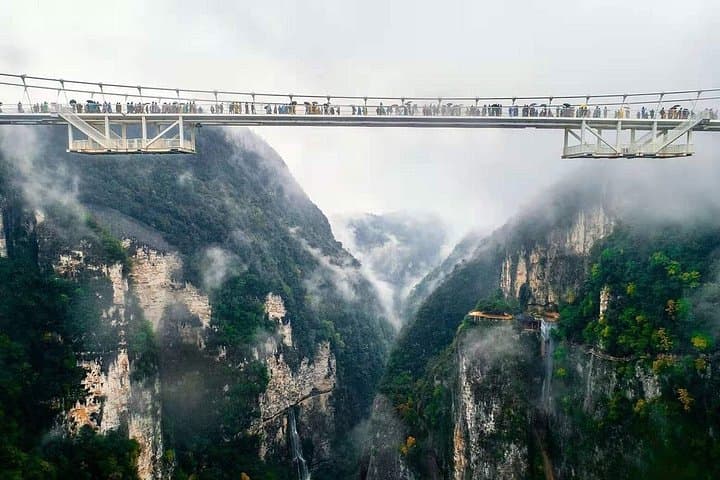
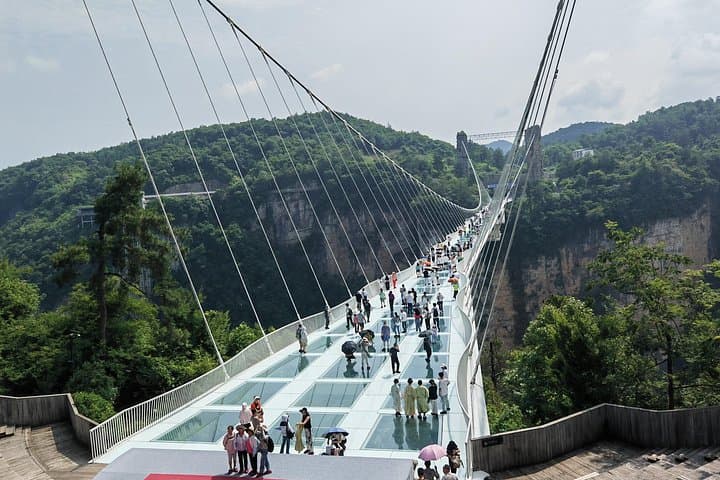
You step onto glass and the canyon exhales beneath you — an emerald river daring you to look down. The Zhangjiajie Glass Bridge spans roughly 300 meters of clear panels, suspended about 300 meters (≈985 ft) above the canyon floor, offering framings of sandstone pillars, waterfalls, and dense subtropical forest.
You step onto glass and the canyon exhales beneath you — an emerald river daring you to look down. The Zhangjiajie Glass Bridge spans roughly 300 meters of clear panels, suspended about 300 meters (≈985 ft) above the canyon floor, offering framings of sandstone pillars, waterfalls, and dense subtropical forest.
The Grand Canyon here is part of the larger Wulingyuan geological region, carved from quartz-sandstone over millions of years into steep pillars and narrow slots. Locals have long told stories of bandits and mountain paths; modern attractions like Bandit Cave, One Line Sky, and the Sky Ladder Plank Road layer human thrills onto a landscape shaped by tectonics and relentless rain.
Expect a mix of engineered adrenaline and quiet nature: the bridge’s engineered transparency makes the air feel mobile, while side trails dip into ferned gullies and past Butterfly Spring Waterfall. Cultural touches — small tea stalls and local guides from nearby villages — give context to the scenery without overwhelming it.
Practical guidance: bring your passport for ticket redemption, wear sturdy shoes, and carry water and a light jacket — weather changes quickly in the canyon. The experience takes about 3–4 hours if you explore viewpoints and short trails; allow more time for queues. The bridge limits bags to phones and wallets, and certain medical conditions or pregnancy are not recommended. Visit early or late in the day to avoid peak crowds and catch the canyon light shifting across the pillars.