THE ADVENTURE COLLECTIVE® · Independent discovery and booking for outdoor travel

Explore Avignon’s medieval streets with a GPS-driven mobile game that traces the downfall of the Knights Templar and the city’s papal power. Self-paced and interactive, the tour combines storytelling, puzzles, and historic sites for a 1–2 hour urban adventure.
Explore Avignon’s medieval streets with a GPS-driven mobile game that traces the downfall of the Knights Templar and the city’s papal power. Self-paced and interactive, the tour combines storytelling, puzzles, and historic sites for a 1–2 hour urban adventure.
You tap the map and the city rearranges itself: narrow lanes fan out from Place de l'Horloge, the Palais des Papes rises like a folded map of medieval power, and the Rhône glints, daring you to follow where knights and popes once walked.
Verified experiences and guided adventures in the surrounding area.
Operated by Leplace - interactive self-guided app tours · Avignon, Vaucluse
You tap the map and the city rearranges itself: narrow lanes fan out from Place de l'Horloge, the Palais des Papes rises like a folded map of medieval power, and the Rhône glints, daring you to follow where knights and popes once walked.
This self-guided GPS app tour threads the top Templar-related sites through Avignon’s old town — Porte Limbert, the Chapelle des Templiers, Pont Saint-Bénézet and the courtyards of the papal palace. The narrative centers on October 13, 1307, when arrests and accusations changed Europe’s religious landscape; later, Avignon itself became the papal capital in the 14th century, stacking ecclesiastical architecture atop Roman and medieval foundations.
Geologically the city sits on older alluvial terraces above the Rhône floodplain, its stone façades carved from local limestone that ages to honeyed ochre. Cultural life still orbits Les Halles market and the mill-lined Rue des Teinturiers; expect Provençal rhythms, market calls and a living urban fabric that keeps history in daily use.
Practical guidance: the experience is mobile-first and fully self-paced — plan 1–2 hours, longer if you linger at sites. Streets are mostly cobbled with occasional steps; sturdy shoes and a charged phone are essential. Start early to avoid mid-day crowds and heat, and download the app and offline maps if your roaming is limited. Respect signs at historic monuments, pause at cafes to sample local flavors, and let the app lead you through Avignon’s shadowy past with room to explore at your own pace.
easy.
1–2 hours.
Light walking on mostly flat cobbles; suitable for casual walkers who can manage short stair sections
You’ll need mobile data for live GPS guidance and interactive elements; download any available offline content before you start if roaming is limited.
This is a self-guided mobile app experience — you move at your own pace and can pause, resume, or linger at any stop.
Typical completion is 60–120 minutes depending on how much time you spend at each site and on puzzles.
Much of Avignon’s old town has cobblestones and steps; parts may be difficult for those with impaired mobility and the operator notes it’s not recommended for people with limited mobility.
Avignon was the seat of the papacy in the 14th century and a focal point in the political clashes that followed the 1307 arrests of the Knights Templar.
High foot traffic affects fragile stonework and medieval fabric; stick to marked routes, avoid touching carved surfaces, and support local conservation by using marked entrances and paying site fees.
Leplace - interactive self-guided app tours operates guided outdoor trips and adventures with an emphasis on safety, stewardship, and memorable experiences.
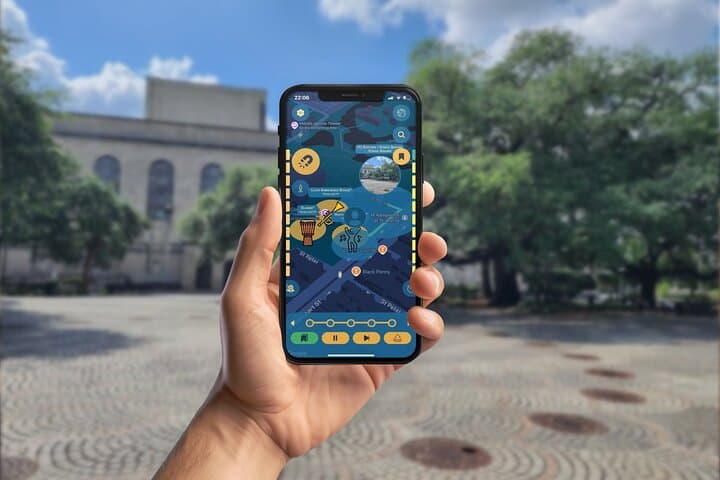
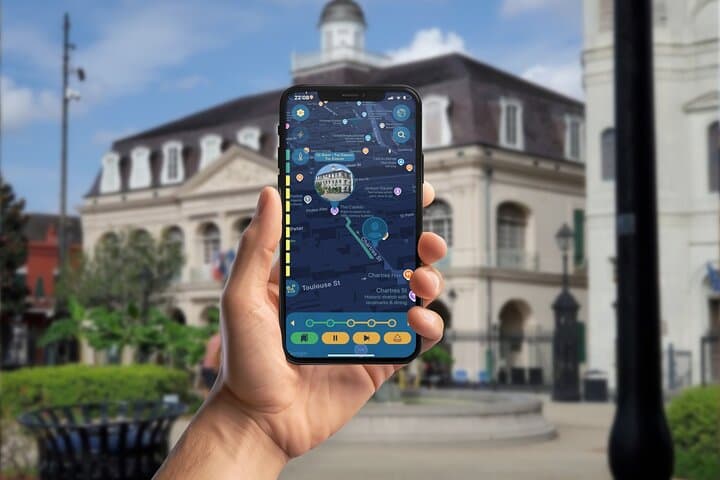
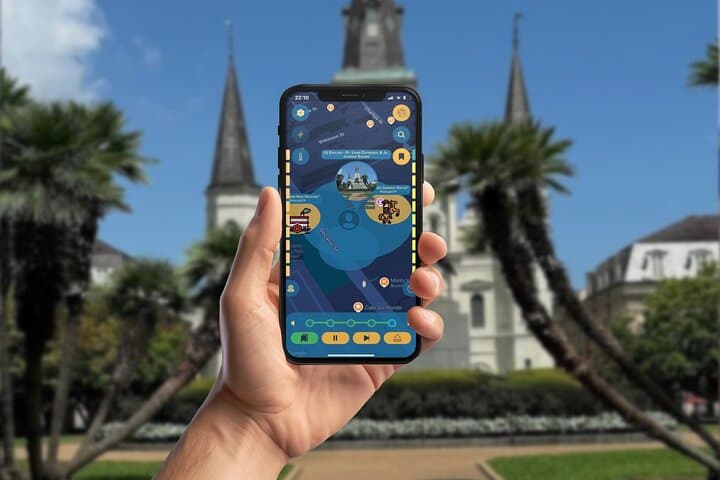
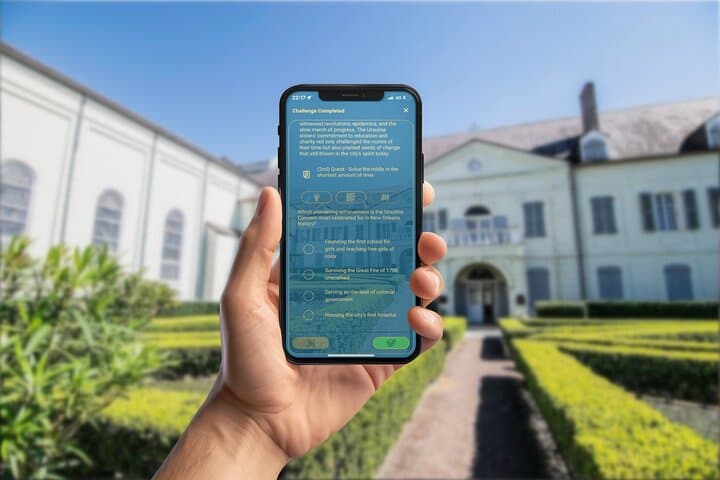
You tap the map and the city rearranges itself: narrow lanes fan out from Place de l'Horloge, the Palais des Papes rises like a folded map of medieval power, and the Rhône glints, daring you to follow where knights and popes once walked.
You tap the map and the city rearranges itself: narrow lanes fan out from Place de l'Horloge, the Palais des Papes rises like a folded map of medieval power, and the Rhône glints, daring you to follow where knights and popes once walked.
This self-guided GPS app tour threads the top Templar-related sites through Avignon’s old town — Porte Limbert, the Chapelle des Templiers, Pont Saint-Bénézet and the courtyards of the papal palace. The narrative centers on October 13, 1307, when arrests and accusations changed Europe’s religious landscape; later, Avignon itself became the papal capital in the 14th century, stacking ecclesiastical architecture atop Roman and medieval foundations.
Geologically the city sits on older alluvial terraces above the Rhône floodplain, its stone façades carved from local limestone that ages to honeyed ochre. Cultural life still orbits Les Halles market and the mill-lined Rue des Teinturiers; expect Provençal rhythms, market calls and a living urban fabric that keeps history in daily use.
Practical guidance: the experience is mobile-first and fully self-paced — plan 1–2 hours, longer if you linger at sites. Streets are mostly cobbled with occasional steps; sturdy shoes and a charged phone are essential. Start early to avoid mid-day crowds and heat, and download the app and offline maps if your roaming is limited. Respect signs at historic monuments, pause at cafes to sample local flavors, and let the app lead you through Avignon’s shadowy past with room to explore at your own pace.