THE ADVENTURE COLLECTIVE® · Independent discovery and booking for outdoor travel

Explore Southampton’s maritime past with a GPS-guided mobile game that turns streets into story beats. This flexible 2–3 hour self-guided tour links Titanic sites, Mayflower landmarks, and hidden local corners with puzzles and pub discounts.
Explore Southampton’s maritime past with a GPS-guided mobile game that turns streets into story beats. This flexible 2–3 hour self-guided tour links Titanic sites, Mayflower landmarks, and hidden local corners with puzzles and pub discounts.
You emerge from the train station into a port-city still shaped by tides and ship noise: the quay breathes, gulls argue overhead, and cobbles lead you past stone walls that once watched oceangoing giants leave for New York.
Verified experiences and guided adventures in the surrounding area.
Operated by Leplace - interactive self-guided app tours · Southampton, Hampshire
You emerge from the train station into a port-city still shaped by tides and ship noise: the quay breathes, gulls argue overhead, and cobbles lead you past stone walls that once watched oceangoing giants leave for New York.
This self-guided GPS app stroll stitches together Southampton’s maritime chapters — the Mayflower’s last English stop, the medieval Westgate, wartime scars at Holyrood Church, and the quiet gravitas of the Titanic memorials. Geology here is coastal plain and reclaimed dockland; culture is layered (seafarers, shipbuilders, pub-owners) and the city’s Double Tide has long dictated shipping rhythms. The tour’s narrative connects social history — class divides aboard the White Star Line — with local anecdotes at places such as the Dancing Man Brewery (a converted 14th-century Wool House) and the Titanic Pub.
Practically, expect 2–3 hours of walking, flexible pacing, and GPS prompts that guide you between 15–20 short stops. The mobile-game format adds puzzles and checkpoints; you can pause and resume at will. Carry a fully charged phone and a power bank, because the app uses GPS and data. Wear grippy shoes for uneven paving and be prepared for typical English weather: layers and a waterproof shell are useful year-round. Public transport links and cruise-ship activity mean some streets get busy midday; early morning or late afternoon gives quieter streets and better photo light. Respect memorial sites and private properties, use headphones for audio sections, and take advantage of included discounts at local pubs to refuel.
easy.
2–3 hours.
Suitable for most abilities; light walking on paved and uneven surfaces with intermittent stops
No — the app-based tour is self-guided and can be started any time during your booking window; you progress at your own pace.
Yes — families can enjoy the interactive puzzles, though younger children may need help with reading and navigation.
Your progress is saved locally, but you’ll need to restore power to continue; carry a fully charged power bank to avoid losing progress.
No — the tour links public sites and businesses but does not include admissions or food; exclusive discounts at selected pubs are offered within the app.
Southampton grew as a major medieval and then industrial port; it was the Titanic’s last homeport in 1912 and later central to transatlantic liners and wartime shipbuilding.
Visitors are encouraged to stick to public paths, avoid climbing memorials, and support local heritage initiatives that protect dockside buildings and public monuments.
Leplace - interactive self-guided app tours operates guided outdoor trips and adventures with an emphasis on safety, stewardship, and memorable experiences.
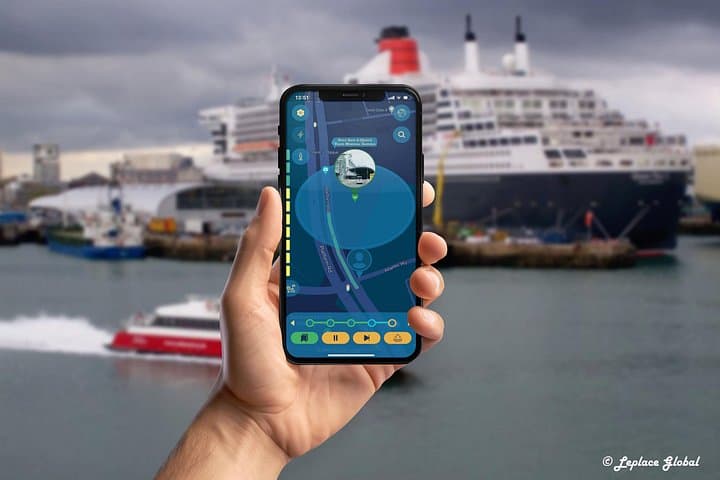
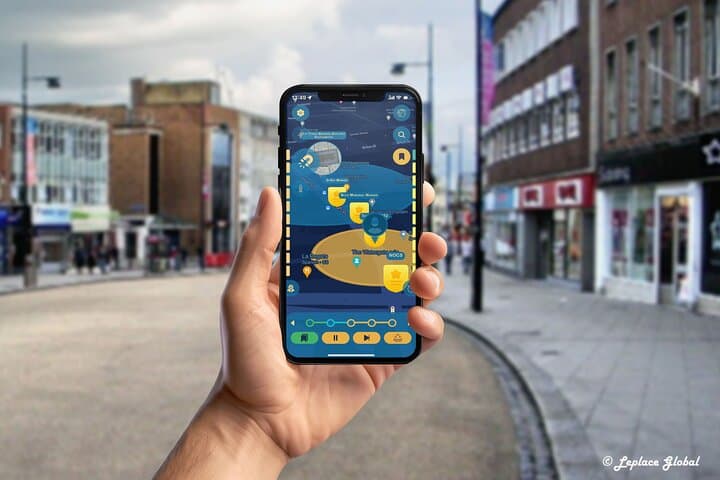
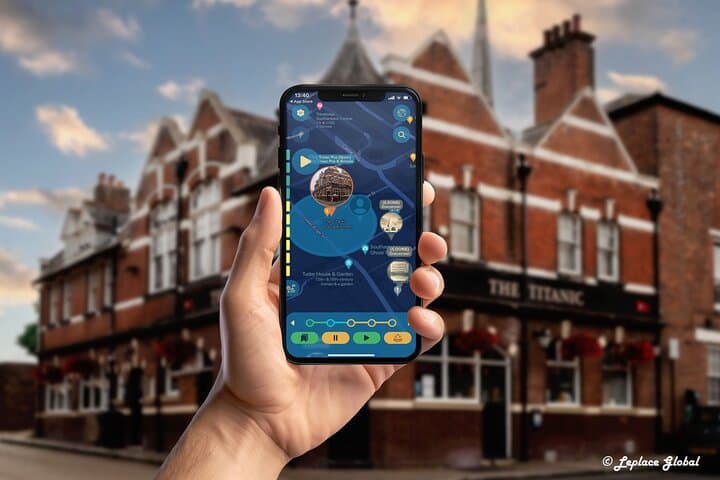
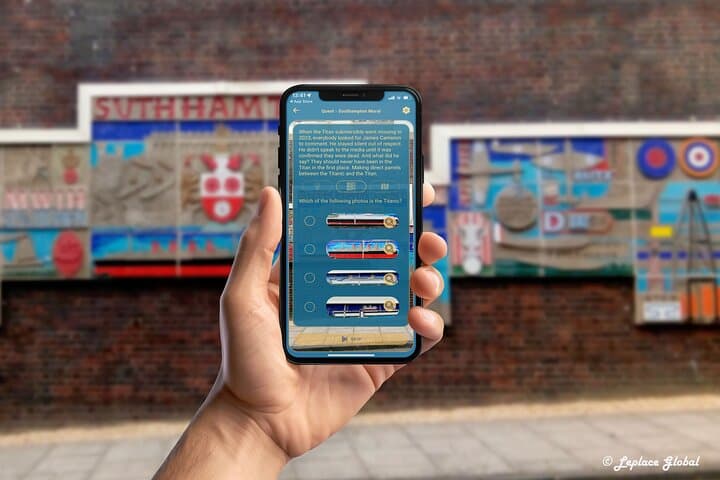
You emerge from the train station into a port-city still shaped by tides and ship noise: the quay breathes, gulls argue overhead, and cobbles lead you past stone walls that once watched oceangoing giants leave for New York.
You emerge from the train station into a port-city still shaped by tides and ship noise: the quay breathes, gulls argue overhead, and cobbles lead you past stone walls that once watched oceangoing giants leave for New York.
This self-guided GPS app stroll stitches together Southampton’s maritime chapters — the Mayflower’s last English stop, the medieval Westgate, wartime scars at Holyrood Church, and the quiet gravitas of the Titanic memorials. Geology here is coastal plain and reclaimed dockland; culture is layered (seafarers, shipbuilders, pub-owners) and the city’s Double Tide has long dictated shipping rhythms. The tour’s narrative connects social history — class divides aboard the White Star Line — with local anecdotes at places such as the Dancing Man Brewery (a converted 14th-century Wool House) and the Titanic Pub.
Practically, expect 2–3 hours of walking, flexible pacing, and GPS prompts that guide you between 15–20 short stops. The mobile-game format adds puzzles and checkpoints; you can pause and resume at will. Carry a fully charged phone and a power bank, because the app uses GPS and data. Wear grippy shoes for uneven paving and be prepared for typical English weather: layers and a waterproof shell are useful year-round. Public transport links and cruise-ship activity mean some streets get busy midday; early morning or late afternoon gives quieter streets and better photo light. Respect memorial sites and private properties, use headphones for audio sections, and take advantage of included discounts at local pubs to refuel.