THE ADVENTURE COLLECTIVE® · Independent discovery and booking for outdoor travel

Step back into Edo-period Japan along the Nakasendo: a full-day walking tour from Nagoya through Magome and Tsumago, complete with a traditional tabikasa hat, local lunch, and guided walks on centuries-old stone paths. Learn practical tips for footwear, timing, and what to expect on uneven mountain trails.
Step back into Edo-period Japan along the Nakasendo: a full-day walking tour from Nagoya through Magome and Tsumago, complete with a traditional tabikasa hat, local lunch, and guided walks on centuries-old stone paths. Learn practical tips for footwear, timing, and what to expect on uneven mountain trails.
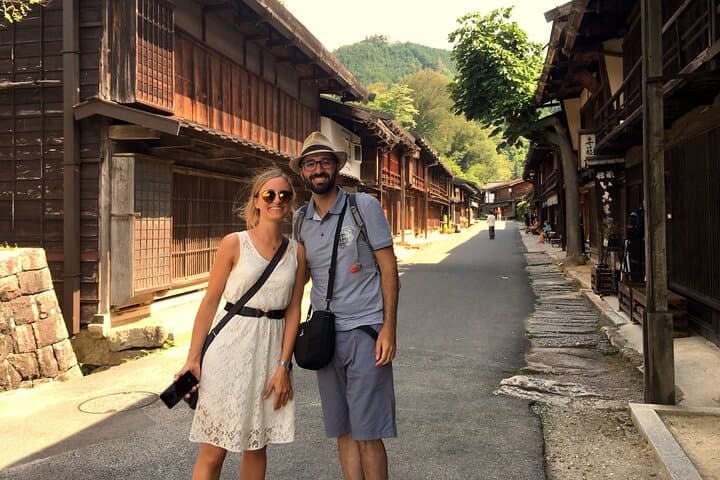
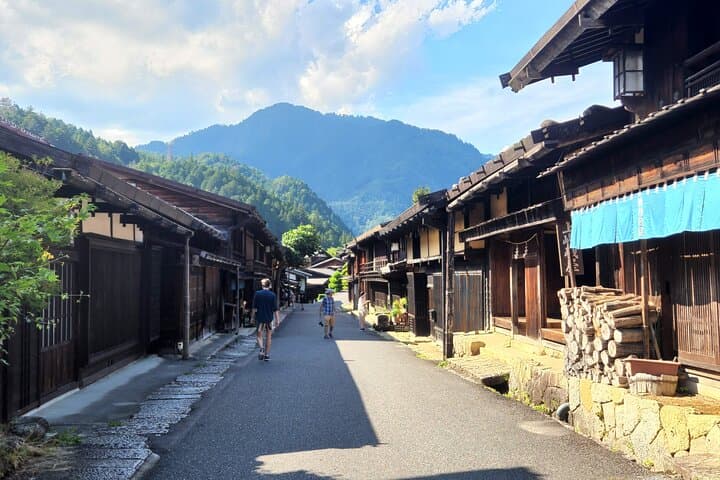
A cool morning fog lifts from the forest as you step off the bus and onto flagstones worn by centuries of travelers. Wooden houses lean toward the street like old companions, and a guide hands you a tabikasa — the traveler’s hat — prompting a small, immediate shift: you become one more footnote in the route’s long human story.
Verified experiences and guided adventures in the surrounding area.
Operated by Tourism Designers Co., Ltd. · Magome, Gifu Prefecture
A cool morning fog lifts from the forest as you step off the bus and onto flagstones worn by centuries of travelers. Wooden houses lean toward the street like old companions, and a guide hands you a tabikasa — the traveler’s hat — prompting a small, immediate shift: you become one more footnote in the route’s long human story.
The Nakasendo linked Edo (Tokyo) and Kyoto for some 534 kilometers; its post towns grew where travelers needed food, shelter and fresh horses. Geology here is folded volcanic and sedimentary hills: narrow valleys, cedar-draped ridgelines and streams that insist on pushing you onward. Culture clings to the streets in preserved inns, carved lintels and the cadence of slow, deliberate hospitality.
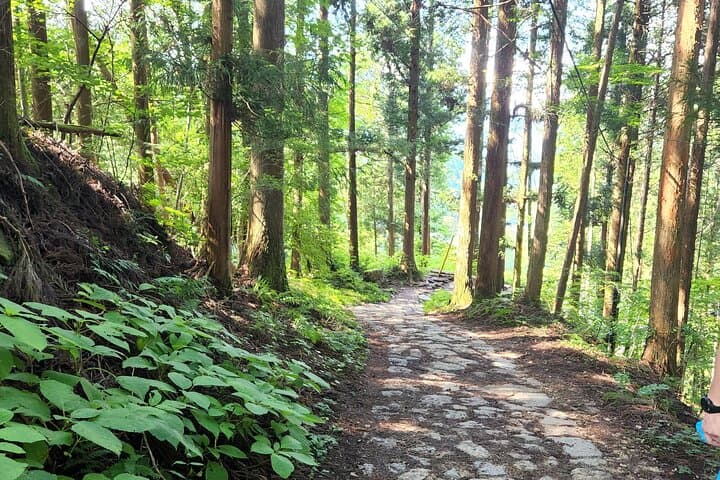
On this full-day tour you’ll move between Magome and Tsumago, pause for a locally sourced lunch in a machiya, and walk the carved stone trail used by merchants and samurai. Expect uneven footing, short climbs, and long views that open over terraced rice and dark forest.
Practical notes: wear sturdy walking shoes with good grip, bring 1–2 liters of water, and layer for sudden mountain breezes. The route is family-friendly but uneven; if you have knee issues pack poles. Photography is welcome, but respect private homes and quiet hours in town.
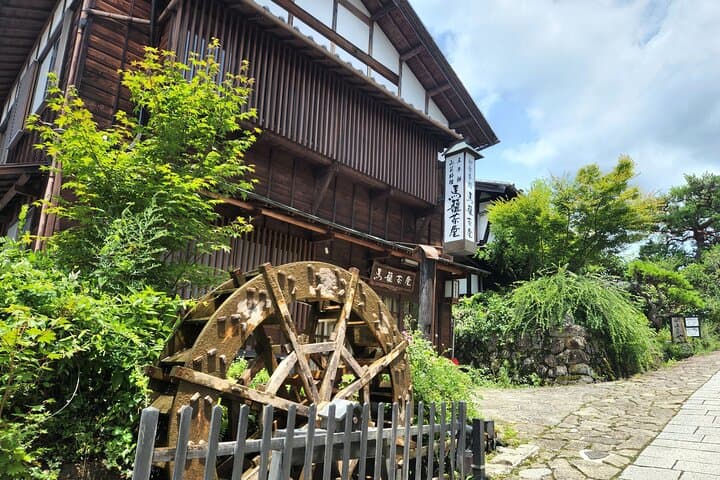
This is as much cultural immersion as it is a hike: keep an eye out for small shrines, sake barrels, and the way local stewards repair stone drains and fences. Leave no trace, follow your guide, and let the road’s slow rhythm set the pace for your day.
moderate.
8–9 hours.
Comfortable walking fitness: able to handle 2–4 hours total on uneven ground with short climbs; basic stamina required.
This itinerary includes roughly 2–3 hours of on-trail walking interspersed with bus transfers and a sit-down lunch, totaling an 8–9 hour day.
Yes—many sections are family-friendly but expect uneven paths and stone steps; consider trekking poles or reduced distances for mobility concerns.
According to the itinerary, entrance fees to listed facilities, transportation costs and an English guide are included; confirm specifics when booking.
Wear layered clothing, grippy shoes, and a light rain jacket; bring 1–2 L water, sun protection, and cash for small purchases.
The Nakasendo was a principal inland route connecting Edo and Kyoto; post towns like Magome and Tsumago preserved Edo-period streets and inns where travelers rested.
Local communities actively maintain traditional buildings and trails—stick to paths, avoid littering, and support town economies by using local services.
Tourism Designers Co., Ltd. operates guided outdoor trips and adventures with an emphasis on safety, stewardship, and memorable experiences.
A cool morning fog lifts from the forest as you step off the bus and onto flagstones worn by centuries of travelers. Wooden houses lean toward the street like old companions, and a guide hands you a tabikasa — the traveler’s hat — prompting a small, immediate shift: you become one more footnote in the route’s long human story.
A cool morning fog lifts from the forest as you step off the bus and onto flagstones worn by centuries of travelers. Wooden houses lean toward the street like old companions, and a guide hands you a tabikasa — the traveler’s hat — prompting a small, immediate shift: you become one more footnote in the route’s long human story.
The Nakasendo linked Edo (Tokyo) and Kyoto for some 534 kilometers; its post towns grew where travelers needed food, shelter and fresh horses. Geology here is folded volcanic and sedimentary hills: narrow valleys, cedar-draped ridgelines and streams that insist on pushing you onward. Culture clings to the streets in preserved inns, carved lintels and the cadence of slow, deliberate hospitality.
On this full-day tour you’ll move between Magome and Tsumago, pause for a locally sourced lunch in a machiya, and walk the carved stone trail used by merchants and samurai. Expect uneven footing, short climbs, and long views that open over terraced rice and dark forest.
Practical notes: wear sturdy walking shoes with good grip, bring 1–2 liters of water, and layer for sudden mountain breezes. The route is family-friendly but uneven; if you have knee issues pack poles. Photography is welcome, but respect private homes and quiet hours in town.
This is as much cultural immersion as it is a hike: keep an eye out for small shrines, sake barrels, and the way local stewards repair stone drains and fences. Leave no trace, follow your guide, and let the road’s slow rhythm set the pace for your day.