THE ADVENTURE COLLECTIVE® · Independent discovery and booking for outdoor travel

Trace 150 million years of marine history on a full‑day walk around Kaleto peak near Komstitsa. Expect fossil-rich limestone, open ridge views, and a gentle but sustained hike best started early in the day.
Trace 150 million years of marine history on a full‑day walk around Kaleto peak near Komstitsa. Expect fossil-rich limestone, open ridge views, and a gentle but sustained hike best started early in the day.
You step off the minivan at the edge of Komstitsa and the ground underfoot changes from pavement to limestone dust — a fossil-studded surface that remembers a time when this ridge lay beneath a warm, shallow sea.
Verified experiences and guided adventures in the surrounding area.
Operated by Bulgarian Fairy Tale · Komstitsa, Sofia Province
You step off the minivan at the edge of Komstitsa and the ground underfoot changes from pavement to limestone dust — a fossil-studded surface that remembers a time when this ridge lay beneath a warm, shallow sea.
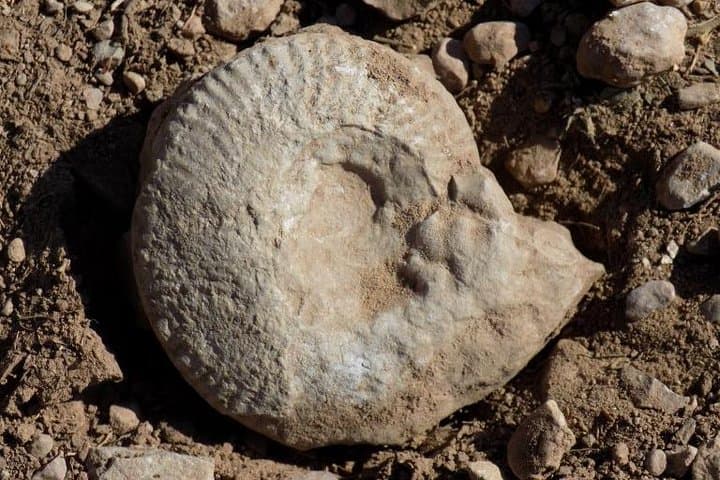
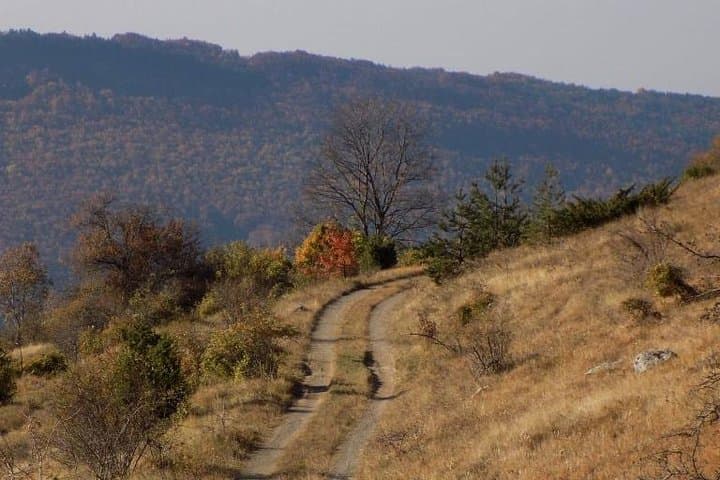
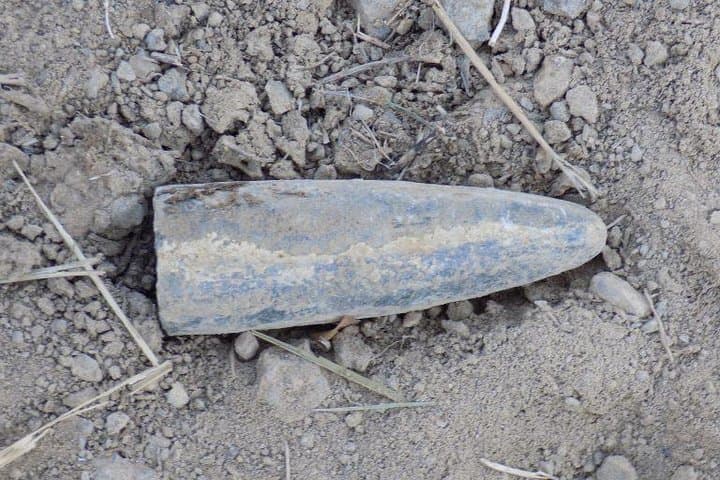
The trail makes a loose loop around Kaleto peak, tracking old dirt roads and low ridgelines where belemnites and ammonites are exposed like the pages of a stone book. The surrounding karst slopes were laid down in the Triassic and Jurassic; uplift and erosion have since pared away younger layers, leaving a landscape that reads like a field guide to deep time. Thracian camps and Roman roads once threaded these same rises; during the Bulgarian Revival the nearby village grew into a local craft and dairy center, and traces of that human history still show in stone foundations and pasture walls.
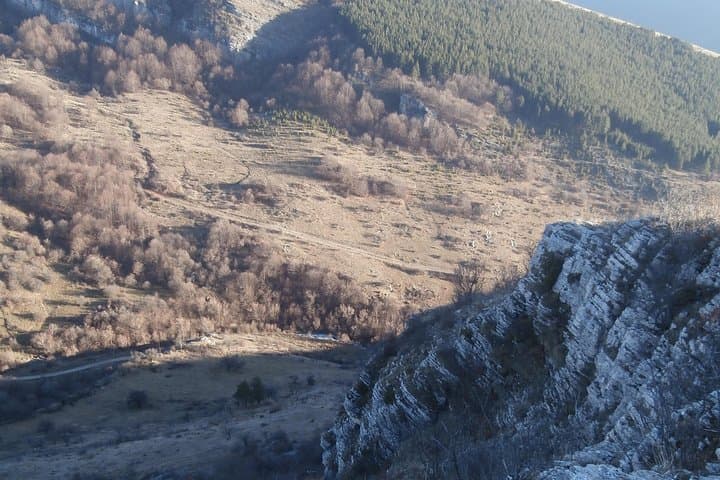
Expect open panoramas interrupted by thorny scrub and shelly outcrops; the air can be dry and sun-pressed, but winds across the ridge push heat and dust along like impatient hands. The route is non-technical but long — a full-day walk that rewards patience with close fossil viewing and uncluttered views of the Sofia plain.
Practical guidance: start early to avoid midday sun, carry 2–3 liters of water and a sun hat, and wear sturdy shoes for uneven limestone and loose scree. Photography is best in low-angle morning light when fossil relief casts shadows. Respect exposed fossils — take photos, not specimens — and follow your guide on narrow sections. With moderate pacing, the circuit fits hikers of most fitness levels and makes a good geology-focused day trip from Sofia.
easy.
6–8 hours.
Suitable for hikers with basic endurance who can handle a full day of walking on uneven dirt and limestone surfaces.
The tour lasts around 7 hours (transfer included) with several hours of walking on dirt roads and limestone; it’s non-technical and generally rated easy but requires full‑day stamina.
Yes — the tour includes hotel pickup and drop-off; transfer time to Komstitsa is about 1.5 hours each way.
You can view and photograph fossils but collecting is discouraged or illegal — guides will explain site-specific rules to protect geological heritage.
The activity is suitable for most ages and fitness levels, but it’s not recommended for travelers with back problems or pregnant guests; check with the operator if unsure.
Komstitsa sits on ancient routes used by Thracian tribes and Romans; the exposed Jurassic limestones hold belemnites and ammonites that mark the region’s marine past.
The area’s karst outcrops are geologically sensitive; visitors should stick to paths, avoid sampling fossils, and carry out all trash to limit erosion and disturbance.
Bulgarian Fairy Tale operates guided outdoor trips and adventures with an emphasis on safety, stewardship, and memorable experiences.
You step off the minivan at the edge of Komstitsa and the ground underfoot changes from pavement to limestone dust — a fossil-studded surface that remembers a time when this ridge lay beneath a warm, shallow sea.
You step off the minivan at the edge of Komstitsa and the ground underfoot changes from pavement to limestone dust — a fossil-studded surface that remembers a time when this ridge lay beneath a warm, shallow sea.
The trail makes a loose loop around Kaleto peak, tracking old dirt roads and low ridgelines where belemnites and ammonites are exposed like the pages of a stone book. The surrounding karst slopes were laid down in the Triassic and Jurassic; uplift and erosion have since pared away younger layers, leaving a landscape that reads like a field guide to deep time. Thracian camps and Roman roads once threaded these same rises; during the Bulgarian Revival the nearby village grew into a local craft and dairy center, and traces of that human history still show in stone foundations and pasture walls.
Expect open panoramas interrupted by thorny scrub and shelly outcrops; the air can be dry and sun-pressed, but winds across the ridge push heat and dust along like impatient hands. The route is non-technical but long — a full-day walk that rewards patience with close fossil viewing and uncluttered views of the Sofia plain.
Practical guidance: start early to avoid midday sun, carry 2–3 liters of water and a sun hat, and wear sturdy shoes for uneven limestone and loose scree. Photography is best in low-angle morning light when fossil relief casts shadows. Respect exposed fossils — take photos, not specimens — and follow your guide on narrow sections. With moderate pacing, the circuit fits hikers of most fitness levels and makes a good geology-focused day trip from Sofia.