THE ADVENTURE COLLECTIVE® · Independent discovery and booking for outdoor travel

A compact, private half-day that puts the Giza Pyramids and a tranquil felucca sail on the same itinerary. Perfect for travelers who want focused history, skyline views and a calm stretch on the Nile in one morning or afternoon.
A compact, private half-day that puts the Giza Pyramids and a tranquil felucca sail on the same itinerary. Perfect for travelers who want focused history, skyline views and a calm stretch on the Nile in one morning or afternoon.
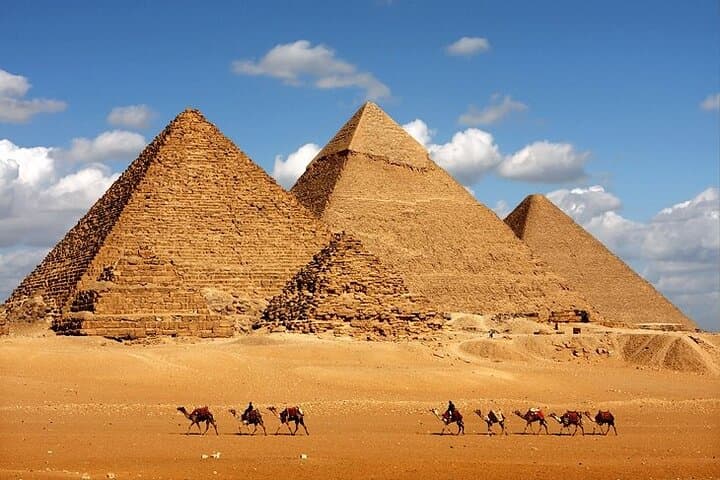
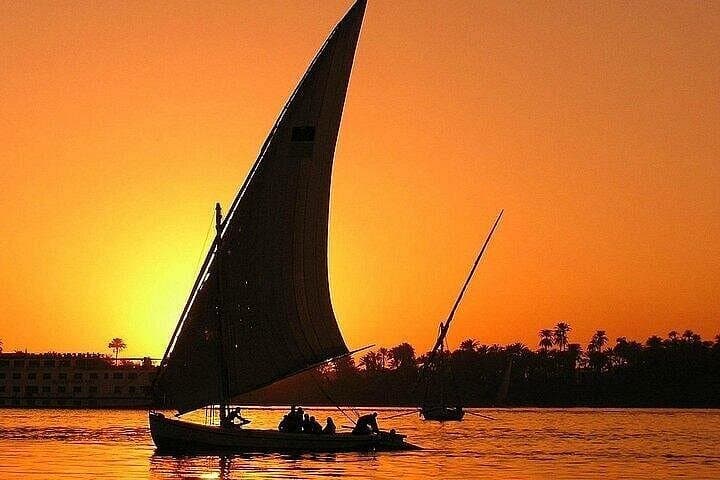
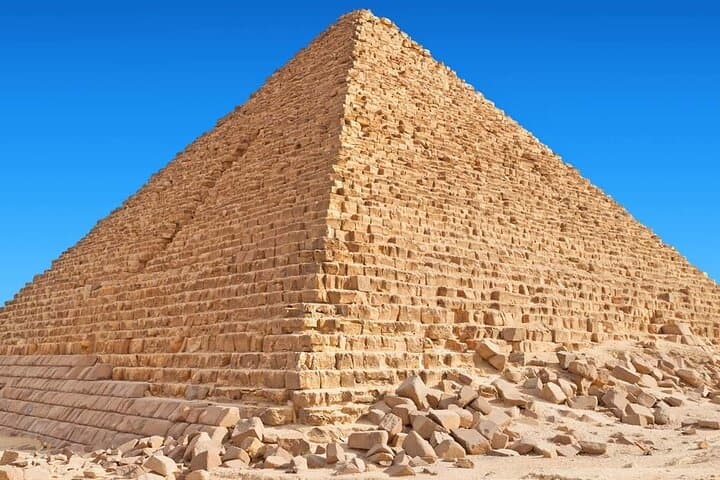
Dust from the plateau lifts in thin veils as the group moves across warm limestone; the Great Pyramid rises ahead like engineered silence. A guide points out the diagonal joints, the remaining casing stones at Khafre, and the Sphinx’s brooding profile while city noise shrinks behind. Later, the rhythm changes—sails snap, the felucca drifts, and the Nile’s flat light stretches the riverbank into long, hospitable lines.
Verified experiences and guided adventures in the surrounding area.
Operated by Egipto Excursiones · Giza, Cairo
Dust from the plateau lifts in thin veils as the group moves across warm limestone; the Great Pyramid rises ahead like engineered silence. A guide points out the diagonal joints, the remaining casing stones at Khafre, and the Sphinx’s brooding profile while city noise shrinks behind. Later, the rhythm changes—sails snap, the felucca drifts, and the Nile’s flat light stretches the riverbank into long, hospitable lines.
The Giza Plateau dates to the Fourth Dynasty (c. 2600–2500 BCE), when Khufu, Khafre and Menkaure commanded monumental building campaigns. Geologically the plateau is Upper Cretaceous limestone sitting at roughly 60 meters above sea level; that calcium bedrock made quarrying and sculpting possible. Culturally, the monuments are part of Memphis and its Necropolis, a UNESCO World Heritage Site—places shaped by funerary practice, astronomy and riverine agriculture.
Practically: this private half-day runs about five hours and mixes short, uneven walks with a calm one-hour felucca sail. Expect dusty paths, steep steps at viewpoints and strong sun most of the year. Bring sun protection, a full water bottle, and closed-toe walking shoes with grip for gravel and limestone. Schedule mornings or late afternoons to avoid peak heat and to catch soft light for photography. Be prepared for entrance-fee options—basic plateau access is common, while tomb interiors require additional tickets. Guides will manage logistics, but remain physically able to stand, climb a few steps, and board a low boat. Respect signage—do not climb monuments—and tip locally for crew and guides. The tour pairs a compact history lesson with a river break: two contrasting ways to read Egypt—stone and current.
moderate.
5 hours.
Light to moderate fitness—able to walk on uneven ground, climb short steps, and board a low-lying boat.
The tour often covers basic plateau access, but interior pyramid/tomb entries and certain sites require additional tickets you pay on-site or select as an upgrade.
This itinerary includes about one hour of felucca time—enough for a relaxed river stretch and photo opportunities without an overnight.
The tour involves uneven terrain and steps; it’s not recommended for those with significant mobility restrictions or serious back/heart issues.
Photography is allowed in most outdoor areas; interior chambers may have restrictions and some spots require camera permits or extra fees.
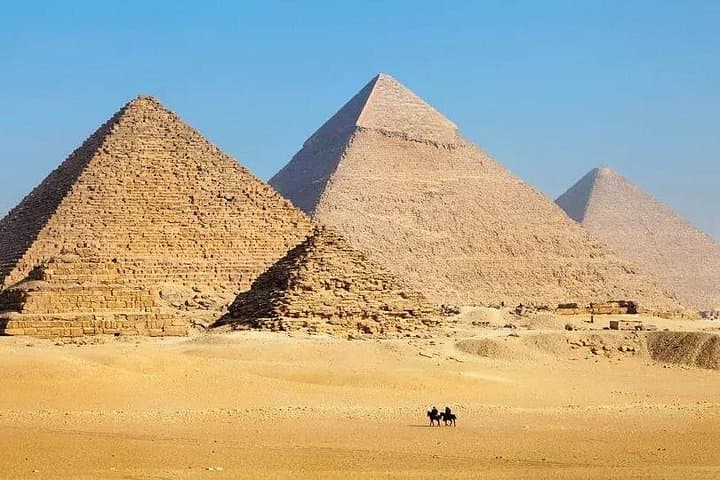
The three main Giza pyramids were built during Egypt’s Fourth Dynasty (c. 2600–2500 BCE) and form part of the UNESCO World Heritage Site centered on ancient Memphis.
The Giza monuments face pressure from visitor impact and urban growth; stick to marked paths, avoid touching masonry and support licensed guides to funnel revenue to local conservation efforts.
Egipto Excursiones operates guided outdoor trips and adventures with an emphasis on safety, stewardship, and memorable experiences.
Dust from the plateau lifts in thin veils as the group moves across warm limestone; the Great Pyramid rises ahead like engineered silence. A guide points out the diagonal joints, the remaining casing stones at Khafre, and the Sphinx’s brooding profile while city noise shrinks behind. Later, the rhythm changes—sails snap, the felucca drifts, and the Nile’s flat light stretches the riverbank into long, hospitable lines.
Dust from the plateau lifts in thin veils as the group moves across warm limestone; the Great Pyramid rises ahead like engineered silence. A guide points out the diagonal joints, the remaining casing stones at Khafre, and the Sphinx’s brooding profile while city noise shrinks behind. Later, the rhythm changes—sails snap, the felucca drifts, and the Nile’s flat light stretches the riverbank into long, hospitable lines.
The Giza Plateau dates to the Fourth Dynasty (c. 2600–2500 BCE), when Khufu, Khafre and Menkaure commanded monumental building campaigns. Geologically the plateau is Upper Cretaceous limestone sitting at roughly 60 meters above sea level; that calcium bedrock made quarrying and sculpting possible. Culturally, the monuments are part of Memphis and its Necropolis, a UNESCO World Heritage Site—places shaped by funerary practice, astronomy and riverine agriculture.
Practically: this private half-day runs about five hours and mixes short, uneven walks with a calm one-hour felucca sail. Expect dusty paths, steep steps at viewpoints and strong sun most of the year. Bring sun protection, a full water bottle, and closed-toe walking shoes with grip for gravel and limestone. Schedule mornings or late afternoons to avoid peak heat and to catch soft light for photography. Be prepared for entrance-fee options—basic plateau access is common, while tomb interiors require additional tickets. Guides will manage logistics, but remain physically able to stand, climb a few steps, and board a low boat. Respect signage—do not climb monuments—and tip locally for crew and guides. The tour pairs a compact history lesson with a river break: two contrasting ways to read Egypt—stone and current.