THE ADVENTURE COLLECTIVE® · Independent discovery and booking for outdoor travel

Walk the classic French Way from O Cebreiro to Santiago de Compostela over eight walking days. This guided, luggage-transferred itinerary combines mountain stages, rural villages, and the final approach to Santiago’s Cathedral.
Walk the classic French Way from O Cebreiro to Santiago de Compostela over eight walking days. This guided, luggage-transferred itinerary combines mountain stages, rural villages, and the final approach to Santiago’s Cathedral.
A thin morning mist lifts off the Galician hills as a line of walkers files out of O Cebreiro, boots whispering on ancient stone. The air smells of damp grass and eucalyptus; the road climbs, opens and folds into green valleys. Over eight walking days the route moves from high mountain passes through quiet villages, across Romanesque bridges and into the vaulted shadow of Santiago’s Cathedral — a measured pilgrimage rather than a race.
Verified experiences and guided adventures in the surrounding area.
Operated by CAMINO DE SANTIAGO RESERVAS · Santiago de Compostela, Galicia
A thin morning mist lifts off the Galician hills as a line of walkers files out of O Cebreiro, boots whispering on ancient stone. The air smells of damp grass and eucalyptus; the road climbs, opens and folds into green valleys. Over eight walking days the route moves from high mountain passes through quiet villages, across Romanesque bridges and into the vaulted shadow of Santiago’s Cathedral — a measured pilgrimage rather than a race.
The French Way (Camino Francés) is layered with history: Roman roads, medieval monasteries like Samos, and churches that catalog centuries of devotional travel. Geologically, Galicia’s rounded granite hills and iron-rich soils shape soft slopes and sudden stone steps; eucalyptus plantations and shaded oak groves dominate the flora. Culturally, villages pause for midday menu del día and communal coffee, while the pilgrim credential ties each stage into a communal ritual.
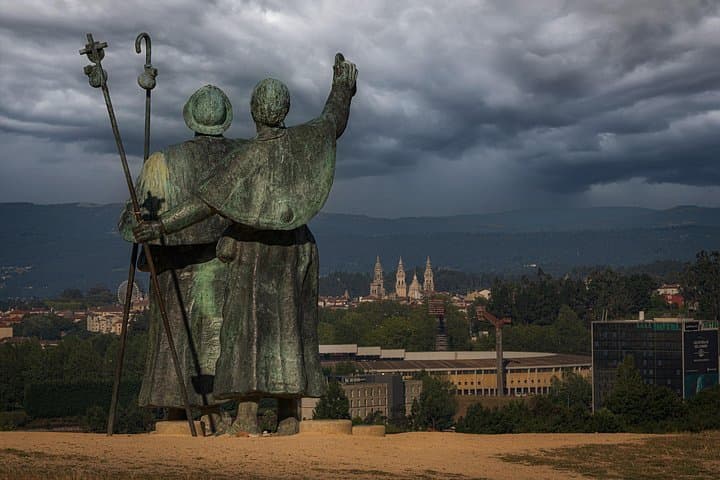
Practically, expect daily walks of 18–28 km on mixed surfaces: paved lanes, rural tracks and worn cobblestone. Luggage transfer and daily lodgings with breakfast simplify logistics; bring boots broken in, a light waterproof layer, and a basic first-aid kit. Plan walking hours for cooler mornings, reserve key accommodations in Melide and Arzúa during high season, and allow time at Monte do Gozo for that first cathedral sightline. Hydration, blister care and steady pacing make the difference between a memorable arrival and an avoidable setback. The route rewards steady effort: small villages, regional cuisine and the unmistakable arrival into Santiago that turns a physical route into a personal finish line.
moderate.
8–9 days.
Participants should be comfortable walking 20–25 km on consecutive days with moderate elevation changes; regular aerobic exercise and leg conditioning recommended.
Expect daily distances of 18–28 km on mixed surfaces with some steep sections near O Cebreiro; a moderate fitness level and prior long-walk experience are recommended.
Yes — this itinerary includes luggage transfer between accommodations so walkers only need a small daypack during stages.
Late spring to early autumn (May–September) offers milder weather and full services, though shoulder seasons have fewer crowds and more rain; winter sees reduced services and colder conditions.
Yes, provided they train for multi-day walking and follow pacing and recovery advice; the guided service and luggage transfer make it accessible to many first-time pilgrims.
The French Way developed in the Middle Ages as pilgrims traveled from across Europe to Santiago; many villages and monasteries grew around the flow of walkers and offerings.
In Galicia, trail maintenance balances tourism and rural life; stick to marked paths to protect fragile vegetation and use local services to support small villages.
CAMINO DE SANTIAGO RESERVAS operates guided outdoor trips and adventures with an emphasis on safety, stewardship, and memorable experiences.
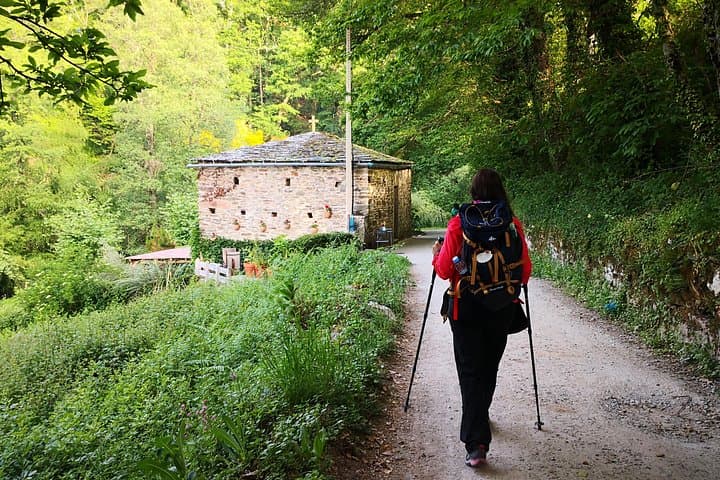
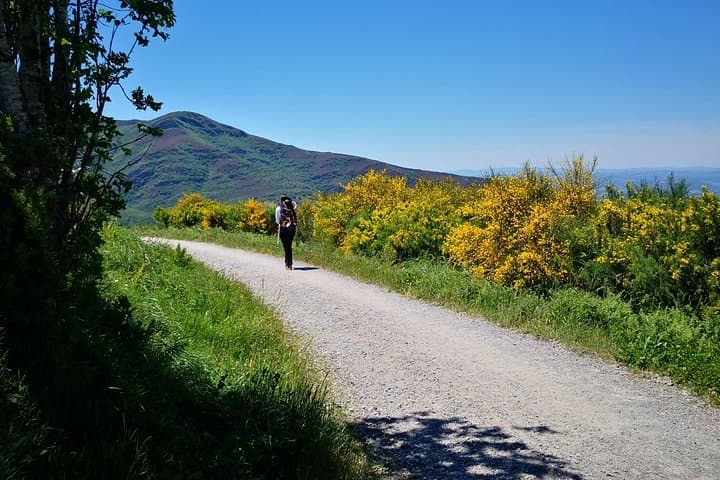
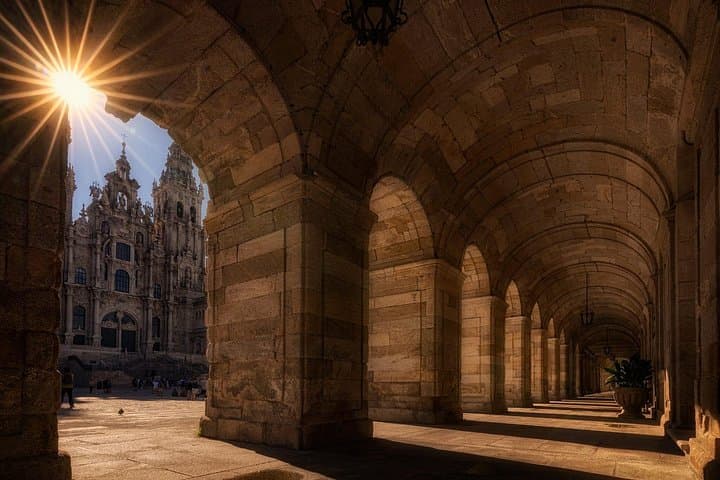
A thin morning mist lifts off the Galician hills as a line of walkers files out of O Cebreiro, boots whispering on ancient stone. The air smells of damp grass and eucalyptus; the road climbs, opens and folds into green valleys. Over eight walking days the route moves from high mountain passes through quiet villages, across Romanesque bridges and into the vaulted shadow of Santiago’s Cathedral — a measured pilgrimage rather than a race.
A thin morning mist lifts off the Galician hills as a line of walkers files out of O Cebreiro, boots whispering on ancient stone. The air smells of damp grass and eucalyptus; the road climbs, opens and folds into green valleys. Over eight walking days the route moves from high mountain passes through quiet villages, across Romanesque bridges and into the vaulted shadow of Santiago’s Cathedral — a measured pilgrimage rather than a race.
The French Way (Camino Francés) is layered with history: Roman roads, medieval monasteries like Samos, and churches that catalog centuries of devotional travel. Geologically, Galicia’s rounded granite hills and iron-rich soils shape soft slopes and sudden stone steps; eucalyptus plantations and shaded oak groves dominate the flora. Culturally, villages pause for midday menu del día and communal coffee, while the pilgrim credential ties each stage into a communal ritual.
Practically, expect daily walks of 18–28 km on mixed surfaces: paved lanes, rural tracks and worn cobblestone. Luggage transfer and daily lodgings with breakfast simplify logistics; bring boots broken in, a light waterproof layer, and a basic first-aid kit. Plan walking hours for cooler mornings, reserve key accommodations in Melide and Arzúa during high season, and allow time at Monte do Gozo for that first cathedral sightline. Hydration, blister care and steady pacing make the difference between a memorable arrival and an avoidable setback. The route rewards steady effort: small villages, regional cuisine and the unmistakable arrival into Santiago that turns a physical route into a personal finish line.