THE ADVENTURE COLLECTIVE® · Independent discovery and booking for outdoor travel

Follow the 19th-century bridle path first laid out by Archduke Ludwig Salvator for a five-hour coastal hike from Valldemossa. Rocky limestone ridges, terraced olive groves and sweeping sea views define this moderate Mallorcan day hike.
Follow the 19th-century bridle path first laid out by Archduke Ludwig Salvator for a five-hour coastal hike from Valldemossa. Rocky limestone ridges, terraced olive groves and sweeping sea views define this moderate Mallorcan day hike.
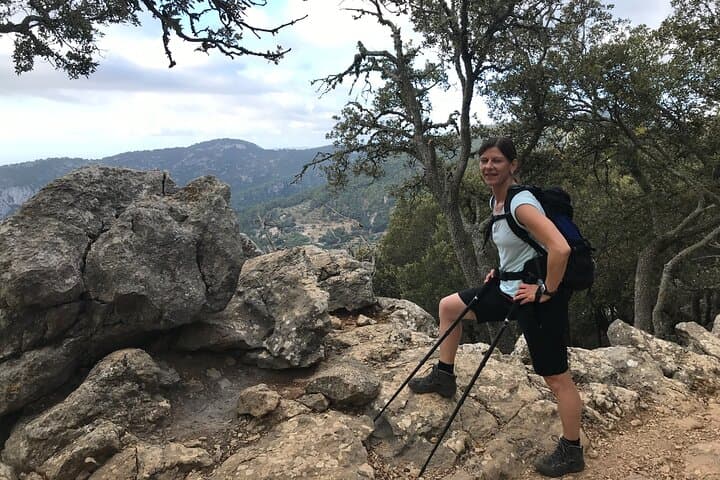
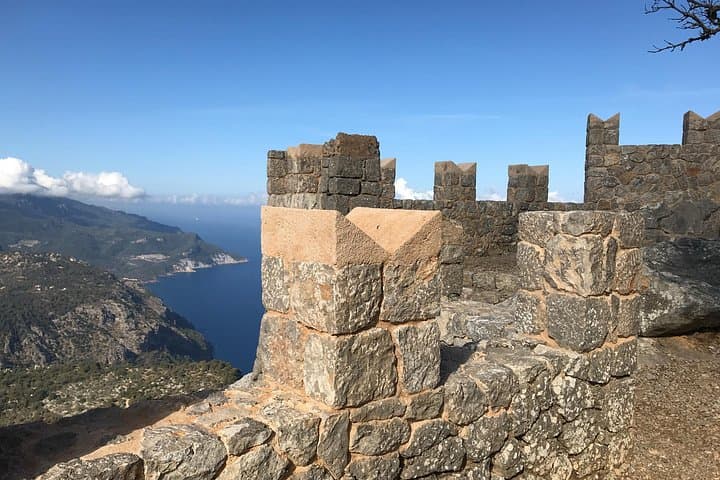
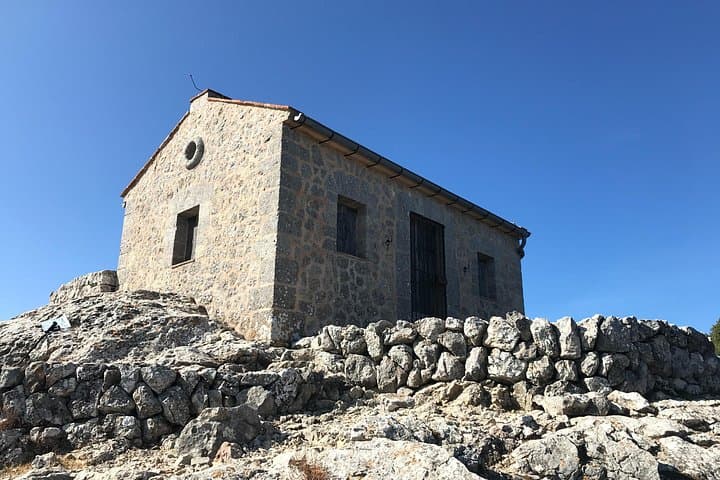
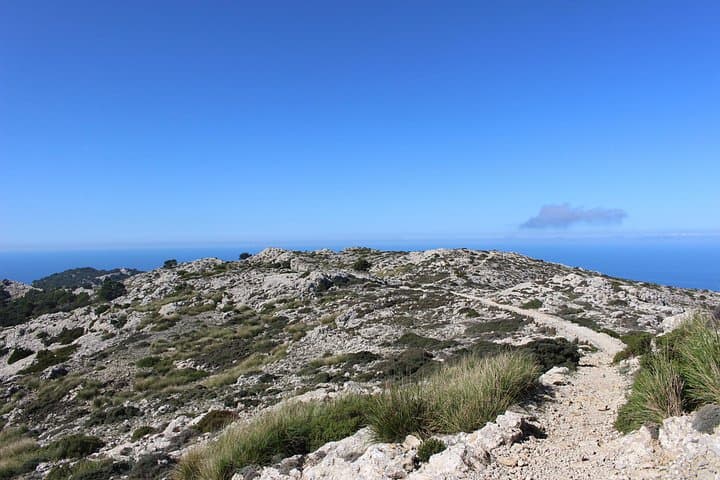
A short track leaves the stone streets of Valldemossa and climbs through terraced olive groves, the path rubbing shoulders with dry-stone walls and low garrigue. The sea is never far—turquoise flashes through pines—and the trail curves to reveal successive coastal ledges where the wind seems to push travelers toward the next viewpoint.
Verified experiences and guided adventures in the surrounding area.
Operated by ZigZag Mallorca · Valldemossa, Balearic Islands
A short track leaves the stone streets of Valldemossa and climbs through terraced olive groves, the path rubbing shoulders with dry-stone walls and low garrigue. The sea is never far—turquoise flashes through pines—and the trail curves to reveal successive coastal ledges where the wind seems to push travelers toward the next viewpoint.
The route follows paths created and popularized in the late 19th century by Archduke Ludwig Salvator of Austria, who mapped and maintained routes around the Serra de Tramuntana. Geologically the landscape is limestone folded by ancient tectonics; karst outcrops and narrow ridgelines frame views of hidden coves and cultivated terraces. Local culture still turns on small estates, olive presses, and village cafés where Mallorcan bread and strong coffee set the pace of the day.
Practically, the Bridle Path is a sustained day-hike of rocky trails, short steep sections, and occasional narrow singletrack; expect roughly five hours on foot with moderate elevation changes. Footwear with firm soles and a basic map or guide are advisable—wayfinding here relies on cairns and painted trail markers. Carry at least 1–1.5 liters of water, sun protection, and a light waterproof if skies look changeable. Start early in summer to avoid heat, and leave no trace: the fragile Mediterranean scrub recovers slowly from trampling.
For hikers, the payoff is a succession of coastal panoramas, the quiet of rural Mallorca, and the tangible legacy of a landscape shaped by human care and wild sea winds.
moderate.
5 hours.
Suitable for hikers with regular cardio activity; able to handle sustained ascents/descents and uneven rocky terrain.
The guided route is about five hours with moderate elevation changes—rocky singletrack and brief steep sections make it a moderate-level day hike.
The activity begins and ends in Valldemossa village, using local paths that loop through surrounding hills and coastal viewpoints.
Physically active children and older hikers who are comfortable on uneven ground can manage it, but the trip is not recommended for those with spinal, heart, or pregnancy-related restrictions.
Basic services are in Valldemossa at start and finish; on-trail resupply is limited, so carry water and snacks for the full day.
Archduke Ludwig Salvator documented and improved trails in the late 19th century and owned estates such as Son Marroig, shaping public access to the Tramuntana coastline.
The Serra de Tramuntana is ecologically sensitive and UNESCO-listed in parts; stick to marked routes, avoid trampling scrub and pack out all waste to protect endemic plants and terraces.
ZigZag Mallorca operates guided outdoor trips and adventures with an emphasis on safety, stewardship, and memorable experiences.
A short track leaves the stone streets of Valldemossa and climbs through terraced olive groves, the path rubbing shoulders with dry-stone walls and low garrigue. The sea is never far—turquoise flashes through pines—and the trail curves to reveal successive coastal ledges where the wind seems to push travelers toward the next viewpoint.
A short track leaves the stone streets of Valldemossa and climbs through terraced olive groves, the path rubbing shoulders with dry-stone walls and low garrigue. The sea is never far—turquoise flashes through pines—and the trail curves to reveal successive coastal ledges where the wind seems to push travelers toward the next viewpoint.
The route follows paths created and popularized in the late 19th century by Archduke Ludwig Salvator of Austria, who mapped and maintained routes around the Serra de Tramuntana. Geologically the landscape is limestone folded by ancient tectonics; karst outcrops and narrow ridgelines frame views of hidden coves and cultivated terraces. Local culture still turns on small estates, olive presses, and village cafés where Mallorcan bread and strong coffee set the pace of the day.
Practically, the Bridle Path is a sustained day-hike of rocky trails, short steep sections, and occasional narrow singletrack; expect roughly five hours on foot with moderate elevation changes. Footwear with firm soles and a basic map or guide are advisable—wayfinding here relies on cairns and painted trail markers. Carry at least 1–1.5 liters of water, sun protection, and a light waterproof if skies look changeable. Start early in summer to avoid heat, and leave no trace: the fragile Mediterranean scrub recovers slowly from trampling.
For hikers, the payoff is a succession of coastal panoramas, the quiet of rural Mallorca, and the tangible legacy of a landscape shaped by human care and wild sea winds.