THE ADVENTURE COLLECTIVE® · Independent discovery and booking for outdoor travel

A two‑hour guided walk from Redondo that takes you into working cork oak estates of Alentejo. Learn traditional stripping techniques, walk farm roads with Serra d’Ossa in view, and optionally enjoy a cork‑strippers’ lunch.
A two‑hour guided walk from Redondo that takes you into working cork oak estates of Alentejo. Learn traditional stripping techniques, walk farm roads with Serra d’Ossa in view, and optionally enjoy a cork‑strippers’ lunch.
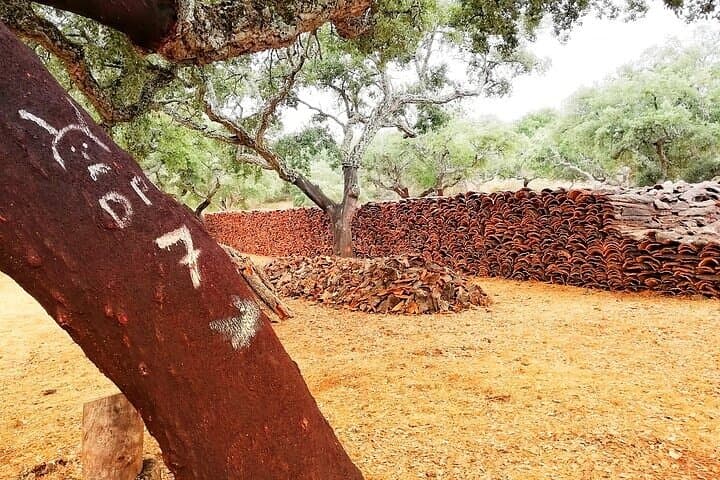
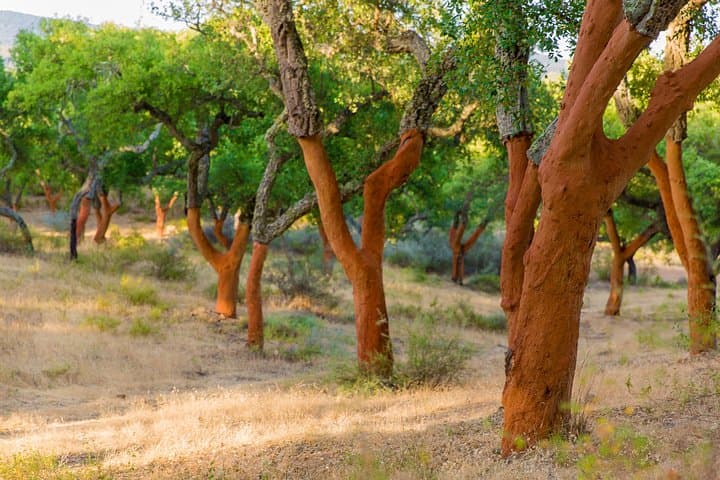
The walk begins on a gravel farm road with the Serra d’Ossa ridge filling the eastern horizon; cork oaks stand like patient workers, trunks banded and ready for their next pluck. A small group follows a local guide along shaded tracks where sunlight sifts through broad, rough bark and the air smells faintly of earth and resin.
Verified experiences and guided adventures in the surrounding area.
Operated by Corktrekking · Redondo, Évora District
The walk begins on a gravel farm road with the Serra d’Ossa ridge filling the eastern horizon; cork oaks stand like patient workers, trunks banded and ready for their next pluck. A small group follows a local guide along shaded tracks where sunlight sifts through broad, rough bark and the air smells faintly of earth and resin.
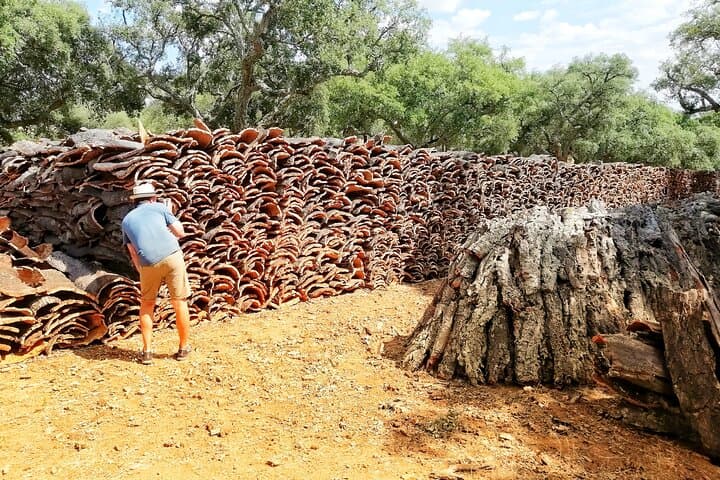
This short tour threads into a living agricultural landscape shaped by centuries of cork production. Cork harvesting is both craft and calendar in Alentejo: trees are stripped by hand on multi‑decadal cycles that sustain rural livelihoods and the region’s distinctive open woodland. Geologically, the low rolling plains and granite outcrops of the Évora district create thin soils where cork oaks thrive; culturally, family estates maintain traditional methods—some are run by the same family for generations.
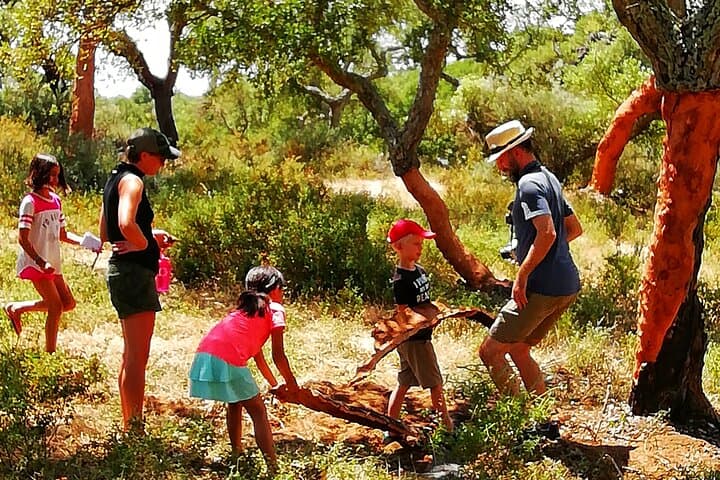
Expect conversation about the biology of Quercus suber, demonstration of stripping tools, and a stop at the farmhouse to sample products or a traditional cork‑strippers’ lunch if you book that option. The pace is measured—farm tracks, gentle rises, occasional stony sections—making it accessible but requiring steady footing.
Practical guidance: wear sturdy shoes with ankle support, bring 1–1.5 liters of water, and plan for sun or sudden showers depending on season. Morning departures keep temperatures cool and light optimal for photography. Respect private farmland, follow your guide’s route, and leave no trace—this landscape depends on careful stewardship to remain productive and wild in equal measure.
moderate.
1–3 hours.
Moderate fitness: able to walk uneven farm tracks and manage short ascents for up to a couple hours.
The experience runs 1–3 hours depending on exact itinerary and pace; it’s moderate—uneven farm tracks with short rises but no technical climbing.
A traditional cork‑strippers’ lunch is available if you select that option at booking; otherwise plan to bring snacks.
Yes, children can join but must be accompanied by an adult; the walk requires steady footing and attention on rough ground.
Not recommended for travelers with poor cardiovascular health due to remote rural terrain and limited immediate medical access.
Cork harvesting in Alentejo is a centuries‑old rural economy; many estates operate on family land management practices passed down generations.
Cork oak landscapes are biodiverse and depend on low‑impact harvesting; follow leave‑no‑trace principles and avoid disturbing wildlife.
Corktrekking operates guided outdoor trips and adventures with an emphasis on safety, stewardship, and memorable experiences.
The walk begins on a gravel farm road with the Serra d’Ossa ridge filling the eastern horizon; cork oaks stand like patient workers, trunks banded and ready for their next pluck. A small group follows a local guide along shaded tracks where sunlight sifts through broad, rough bark and the air smells faintly of earth and resin.
The walk begins on a gravel farm road with the Serra d’Ossa ridge filling the eastern horizon; cork oaks stand like patient workers, trunks banded and ready for their next pluck. A small group follows a local guide along shaded tracks where sunlight sifts through broad, rough bark and the air smells faintly of earth and resin.
This short tour threads into a living agricultural landscape shaped by centuries of cork production. Cork harvesting is both craft and calendar in Alentejo: trees are stripped by hand on multi‑decadal cycles that sustain rural livelihoods and the region’s distinctive open woodland. Geologically, the low rolling plains and granite outcrops of the Évora district create thin soils where cork oaks thrive; culturally, family estates maintain traditional methods—some are run by the same family for generations.
Expect conversation about the biology of Quercus suber, demonstration of stripping tools, and a stop at the farmhouse to sample products or a traditional cork‑strippers’ lunch if you book that option. The pace is measured—farm tracks, gentle rises, occasional stony sections—making it accessible but requiring steady footing.
Practical guidance: wear sturdy shoes with ankle support, bring 1–1.5 liters of water, and plan for sun or sudden showers depending on season. Morning departures keep temperatures cool and light optimal for photography. Respect private farmland, follow your guide’s route, and leave no trace—this landscape depends on careful stewardship to remain productive and wild in equal measure.