THE ADVENTURE COLLECTIVE® · Independent discovery and booking for outdoor travel

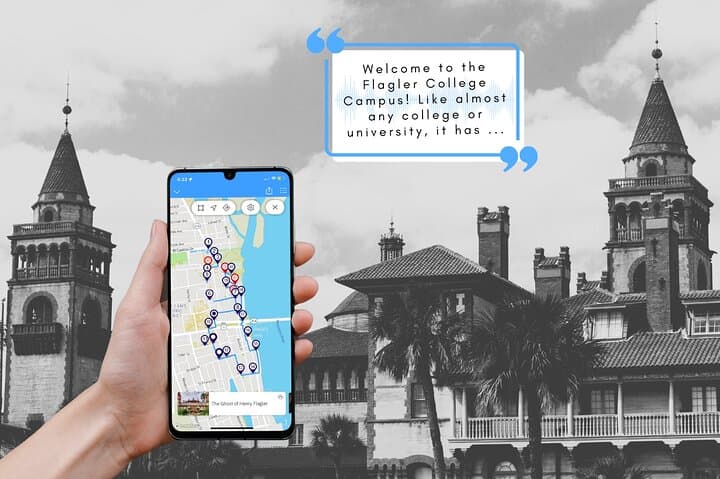
Explore St. Augustine’s oldest streets on a self-guided 2.5‑mile smartphone audio ghost tour. Download the offline GPS map, follow the triggered commentary, and move at your own pace through haunted gates, historic inns, and colonial cemeteries.
Explore St. Augustine’s oldest streets on a self-guided 2.5‑mile smartphone audio ghost tour. Download the offline GPS map, follow the triggered commentary, and move at your own pace through haunted gates, historic inns, and colonial cemeteries.
The streetlamps along St. George Street spill amber light across old brick; your phone hums, a ghost guide named Jefferson begins to speak, and the city’s past leans in close.
Verified experiences and guided adventures in the surrounding area.
Operated by Tripvia Tours · St. Augustine, Florida
The streetlamps along St. George Street spill amber light across old brick; your phone hums, a ghost guide named Jefferson begins to speak, and the city’s past leans in close.
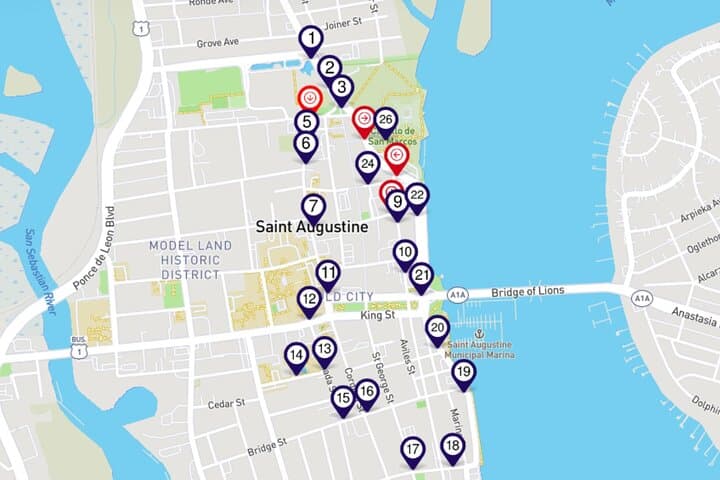
This self-guided, 2.5‑mile audio walk threads through St. Augustine’s colonial core—past the Old City Gates, Tolomato and Huguenot cemeteries, Flagler College, and the Castillo de San Marcos—sites where history and rumor meet. Founded in 1565, St. Augustine is the oldest continuously occupied European-established settlement in the continental U.S.; its coquina fort and layered Spanish, British and American architecture create the stage for the tour’s stories.
Geology here matters: coquina shell rock underpins many shoreline structures and the city’s slow sinking and salt air shape preservation choices. Culturally, the route follows streets that once handled merchants, soldiers and enslaved people—layers that the guide references while recounting hauntings tied to epidemics, shipwrecks and domestic lives.
Practically, the experience is frictionless: download the audio and offline GPS map over Wi‑Fi, then follow prompts as commentary triggers near each point. The walk is easy on terrain—brick sidewalks, occasional cobbles—and suitable for most fitness levels. Expect 2–3 hours at a relaxed pace, with opportunities to linger at plaques, courtyards and quiet graveyards.
Bring charged headphones, watch your step on uneven bricks, and respect evening quiet in residential sections. The audio format lets you avoid crowds and set your own tempo—perfect for dusk listening when streetlights and sea breezes sharpen the stories.
easy.
2–3 hours.
Suitable for casual walkers and most fitness levels; able to stand and walk 2.5 miles with intermittent stops.
No—download the audio and the GPS map over Wi‑Fi before you start; the tour works offline.
Much of the historic district has wheelchair‑accessible sidewalks, but some crossings and cobbles can be uneven; the listing notes wheelchair accessibility.
The number of travelers you select equals devices the tour can be downloaded to; share responsibly but plan one device per listener for the best experience.
The historic district is generally busy and well lit after dark, but stay on populated streets, travel in pairs, and avoid lonely side alleys late at night.
St. Augustine was founded in 1565 by Spanish settlers; the Castillo de San Marcos (late 17th century) is the oldest masonry fort in the continental U.S., anchoring many local legends.
The city’s preservation district limits changes to historic buildings; visitors should avoid touching fragile stonework, pack out trash, and keep voices low in residential and cemetery areas to minimize impact.
Tripvia Tours operates guided outdoor trips and adventures with an emphasis on safety, stewardship, and memorable experiences.

The streetlamps along St. George Street spill amber light across old brick; your phone hums, a ghost guide named Jefferson begins to speak, and the city’s past leans in close.
The streetlamps along St. George Street spill amber light across old brick; your phone hums, a ghost guide named Jefferson begins to speak, and the city’s past leans in close.
This self-guided, 2.5‑mile audio walk threads through St. Augustine’s colonial core—past the Old City Gates, Tolomato and Huguenot cemeteries, Flagler College, and the Castillo de San Marcos—sites where history and rumor meet. Founded in 1565, St. Augustine is the oldest continuously occupied European-established settlement in the continental U.S.; its coquina fort and layered Spanish, British and American architecture create the stage for the tour’s stories.
Geology here matters: coquina shell rock underpins many shoreline structures and the city’s slow sinking and salt air shape preservation choices. Culturally, the route follows streets that once handled merchants, soldiers and enslaved people—layers that the guide references while recounting hauntings tied to epidemics, shipwrecks and domestic lives.
Practically, the experience is frictionless: download the audio and offline GPS map over Wi‑Fi, then follow prompts as commentary triggers near each point. The walk is easy on terrain—brick sidewalks, occasional cobbles—and suitable for most fitness levels. Expect 2–3 hours at a relaxed pace, with opportunities to linger at plaques, courtyards and quiet graveyards.
Bring charged headphones, watch your step on uneven bricks, and respect evening quiet in residential sections. The audio format lets you avoid crowds and set your own tempo—perfect for dusk listening when streetlights and sea breezes sharpen the stories.