THE ADVENTURE COLLECTIVE® · Independent discovery and booking for outdoor travel

Skip the queues and move through Pompeii with a detailed guidebook in hand. This practical visit lets you explore Roman streets, villas, and public spaces at your own pace while learning the human stories preserved by Vesuvius.
Skip the queues and move through Pompeii with a detailed guidebook in hand. This practical visit lets you explore Roman streets, villas, and public spaces at your own pace while learning the human stories preserved by Vesuvius.
You arrive through a stone portal and the air smells faintly of sun-warmed basalt and crushed olive leaves. The streets of Pompeii run straight and honest beneath your feet—flagstones worn smooth by centuries of passage, doorways opening onto quiet atria where plaster ghosts of frescoes still hold color. Mount Vesuvius crouches beyond the skyline, an ever-present ridge that seems to watch and dare visitors to look closer.
Verified experiences and guided adventures in the surrounding area.
Operated by Trip Knox Ltd · Pompeii, Campania
You arrive through a stone portal and the air smells faintly of sun-warmed basalt and crushed olive leaves. The streets of Pompeii run straight and honest beneath your feet—flagstones worn smooth by centuries of passage, doorways opening onto quiet atria where plaster ghosts of frescoes still hold color. Mount Vesuvius crouches beyond the skyline, an ever-present ridge that seems to watch and dare visitors to look closer.
This is a place frozen by the eruption of 79 AD: ash that sealed lives, homes, and shops in stark, human detail. Archaeologists have peeled back layers of volcanic sediment to reveal urban planning, public baths, bakeries with millstones, and an amphitheater built for spectacle and civic life. Geology here is raw—pyroclastic flows and pumice explain both the preservation and the brittle edges of every wall. Culturally, Pompeii is a stop on the ancient Roman route between Naples and the Bay of Naples, a crossroads of trade and daily rituals.
Practical guidance: use the skip-the-line ticket to maximize time on-site; expect 1–4 hours to cover main highlights at a comfortable pace. Bring a printed map or the included guidebook in your language to orient yourself—signage can be sparse. Wear sturdy shoes for uneven paving, carry water and sun protection, and time your visit for early morning or late afternoon to avoid mid-day heat and tour groups. Respect barriers and fragile frescoes; photography is allowed but avoid flash on vulnerable surfaces.
This visit balances vivid archaeological spectacle with clear logistics: arrive prepared, move deliberately, and let Pompeii’s stones tell the story.
easy.
1–4 hours.
Accessible to most fitness levels; expect walking on uneven ground for several hours
Yes—skip-the-line tickets reduce queue time and guarantee entry during busy seasons; mobile tickets are accepted.
Plan 1–4 hours depending on pace; 2–3 hours covers the main highlights comfortably.
Children can enjoy the site, but strollers are difficult on rough paving; consider a baby carrier for infants.
There are basic restrooms and a few cafes near the entrance, but bring snacks and water if you plan a longer visit.
Pompeii was a thriving Roman town on the Bay of Naples until Vesuvius erupted in 79 AD, burying the city in ash and preserving a time-capsule of Roman urban life.
Conservation is ongoing; foot traffic and weathering threaten exposed frescoes, so follow barriers and avoid touching surfaces to help protect the site.
Trip Knox Ltd operates guided outdoor trips and adventures with an emphasis on safety, stewardship, and memorable experiences.
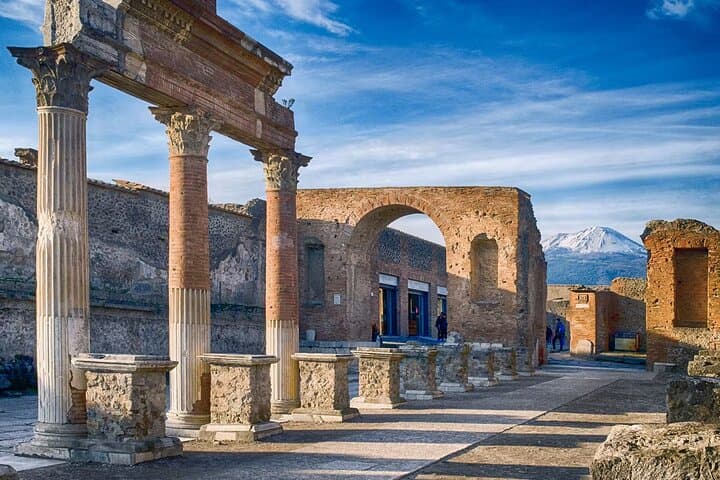
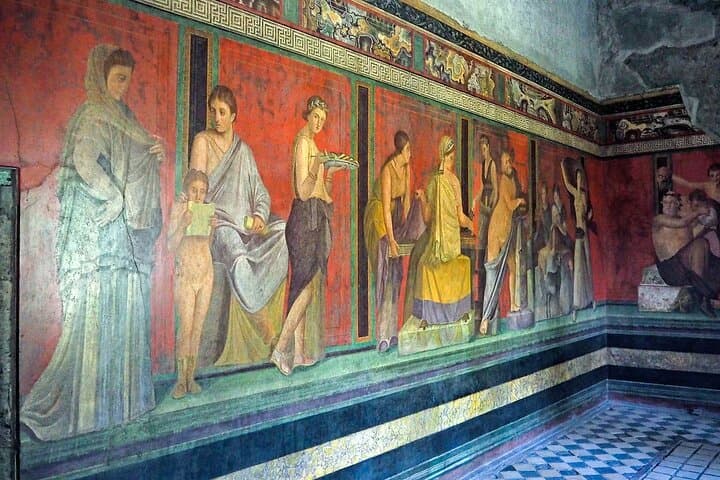
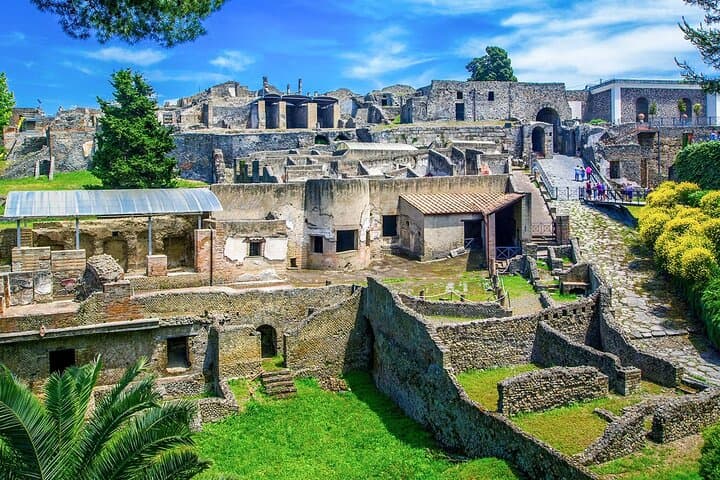
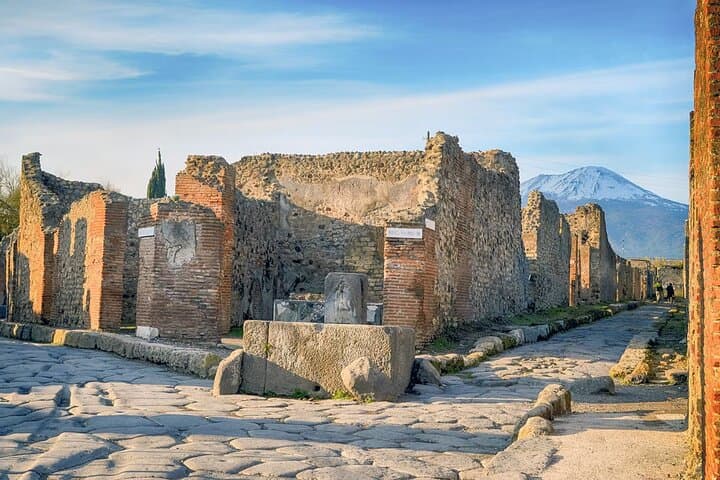
You arrive through a stone portal and the air smells faintly of sun-warmed basalt and crushed olive leaves. The streets of Pompeii run straight and honest beneath your feet—flagstones worn smooth by centuries of passage, doorways opening onto quiet atria where plaster ghosts of frescoes still hold color. Mount Vesuvius crouches beyond the skyline, an ever-present ridge that seems to watch and dare visitors to look closer.
You arrive through a stone portal and the air smells faintly of sun-warmed basalt and crushed olive leaves. The streets of Pompeii run straight and honest beneath your feet—flagstones worn smooth by centuries of passage, doorways opening onto quiet atria where plaster ghosts of frescoes still hold color. Mount Vesuvius crouches beyond the skyline, an ever-present ridge that seems to watch and dare visitors to look closer.
This is a place frozen by the eruption of 79 AD: ash that sealed lives, homes, and shops in stark, human detail. Archaeologists have peeled back layers of volcanic sediment to reveal urban planning, public baths, bakeries with millstones, and an amphitheater built for spectacle and civic life. Geology here is raw—pyroclastic flows and pumice explain both the preservation and the brittle edges of every wall. Culturally, Pompeii is a stop on the ancient Roman route between Naples and the Bay of Naples, a crossroads of trade and daily rituals.
Practical guidance: use the skip-the-line ticket to maximize time on-site; expect 1–4 hours to cover main highlights at a comfortable pace. Bring a printed map or the included guidebook in your language to orient yourself—signage can be sparse. Wear sturdy shoes for uneven paving, carry water and sun protection, and time your visit for early morning or late afternoon to avoid mid-day heat and tour groups. Respect barriers and fragile frescoes; photography is allowed but avoid flash on vulnerable surfaces.
This visit balances vivid archaeological spectacle with clear logistics: arrive prepared, move deliberately, and let Pompeii’s stones tell the story.